‘Knowing and Intentional’: Judge Smashes Lawyer with Fine for Forbidden Cardi B Gang Question
A Los Angeles judge has formally sanctioned the attorney who questioned Cardi B about possible gang affiliation during a civil trial, ruling that the inquiry violated a clear court order and crossed a line into prejudicial territory.
The decision comes months after a jury found the rapper not liable for assault and battery, but the fallout from the courtroom exchange continues to reverberate, underscoring how tightly controlled testimony can become when celebrity, credibility, and legal boundaries collide.
In a written ruling issued Wednesday, Los Angeles County Judge Ian C. Fusselman fined plaintiff’s attorney Ron A. Rosen Janfaza $1,500 for asking Cardi B whether she had any current affiliation with a gang.
The judge described the question as a knowing and intentional violation of his prior ruling, rejecting arguments that the phrasing or circumstances excused the conduct. Janfaza has been ordered to pay the fine by February 27 and must self-report the sanction to the California State Bar within 30 days.
The fine stems from a 2025 civil trial brought by former security guard Emani Ellis, who accused Cardi B, born Belcalis Almánzar, of assault and battery following a confrontation outside a Beverly Hills medical office in 2018. The jury ultimately rejected Ellis’s claims, finding the Grammy-winning artist not liable. While the verdict closed the central dispute, the judge’s post-trial order has reopened scrutiny around how the case was litigated.
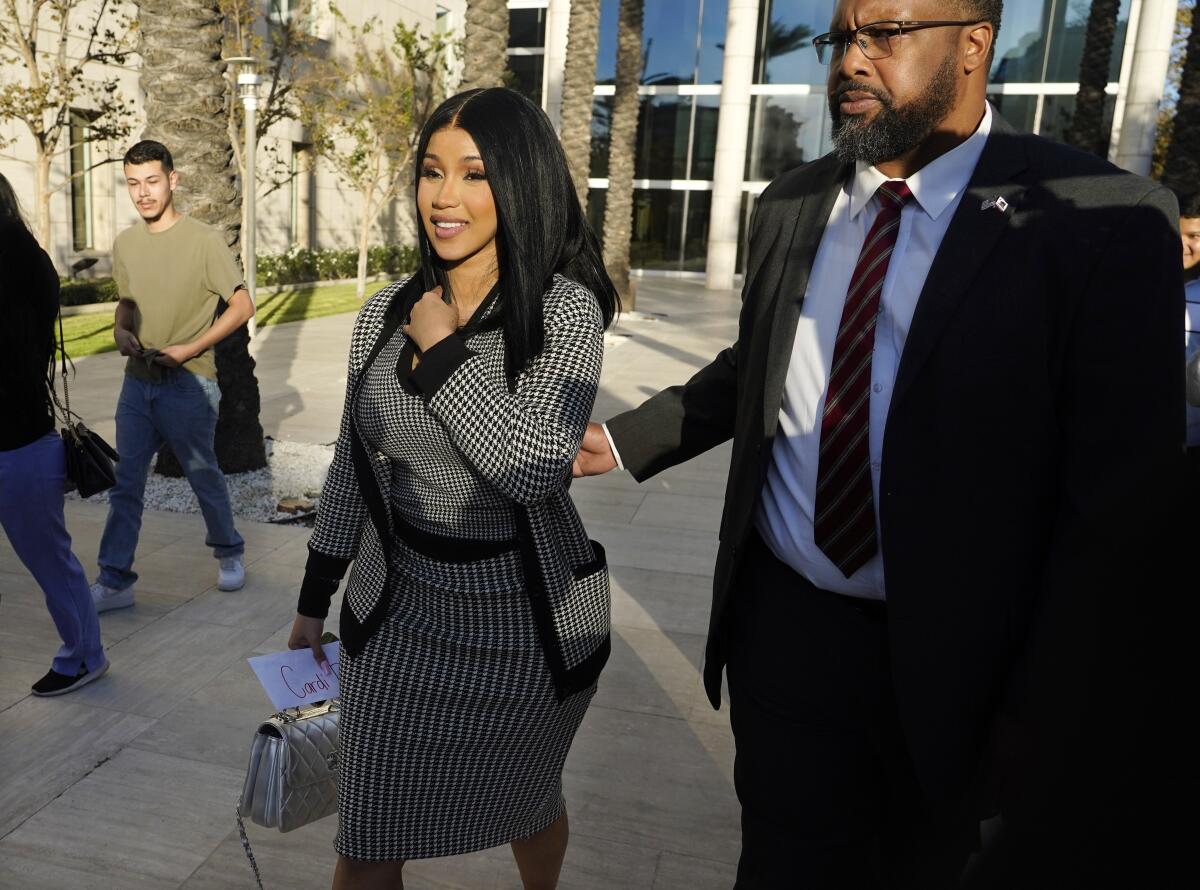
Cardi B appears relaxed and upbeat outside court after a jury ruled in her favour, bringing an end to the high-profile civil case.
A Clear Court Order, and a Question That Crossed It
Before the trial began, Judge Fusselman explicitly barred attorneys from questioning Cardi B about so-called prior bad acts, including her past work as an exotic dancer and any alleged associations with gangs during her youth. The judge ruled that such topics would be unduly prejudicial, risk confusing the jury, and waste time by shifting focus away from the specific incident at issue.
Despite that ruling, Janfaza opened his questioning of Cardi B on August 26 by asking, “Do you have any affiliation at this time with a gang?” Cardi’s legal team immediately objected, prompting the judge to intervene and remind counsel that the question violated the court’s instructions. In his written decision, Fusselman noted that the wording appeared crafted to skirt the letter of the order while violating its intent.
The court rejected Janfaza’s explanations, including claims that the question had been drafted by an office manager, that fatigue affected his judgment, or that the phrase “at this time” made the inquiry permissible. Fusselman wrote that none of those arguments were persuasive and that the violation was deliberate rather than accidental.
The Trial That Sparked the Sanction
Ellis originally filed her lawsuit in 2020, alleging that Cardi B scratched her face with an acrylic fingernail and spat on her during the 2018 encounter. The incident occurred while the rapper was pregnant with her first child and arriving for an OB-GYN appointment. Cardi B has consistently denied any physical assault, maintaining that the confrontation was verbal and stemmed from concerns about her privacy.
During testimony, Cardi acknowledged a heated exchange but said Ellis was recording her without consent and alerting others to her presence. She described feeling threatened and highly anxious due to her pregnancy at the time. When asked during trial why she was concerned, Cardi responded bluntly, saying she feared being physically attacked while pregnant.
The jury ultimately sided with Cardi B, rejecting Ellis’s account and clearing the artist of liability. However, Cardi’s attorneys later asked the court to hold Janfaza in contempt, citing not only the gang affiliation question but also references during closing arguments to evidence that had not been introduced at trial.
Courtroom Moments That Went Viral
Beyond the legal arguments, the trial attracted widespread attention due to several tense and often viral exchanges between Cardi B and Janfaza. Her animated reactions, candid language, and visible frustration were widely shared on social media, adding a layer of public spectacle to the proceedings.
One moment that drew particular attention involved confusion over Cardi’s changing hairstyles during the trial. After noting that she appeared with different hair on consecutive days, Janfaza asked which version was her “real” hair. Cardi laughed and clarified that both looks involved wigs, prompting a brief, awkward exchange that quickly circulated online.
At another point, Janfaza asked whether their exchange constituted a “verbal altercation,” to which Cardi replied that it was more of a debate, drawing laughter from the courtroom. These moments, while light on the surface, underscored the unusual dynamic of cross-examining a global celebrity under intense public scrutiny.
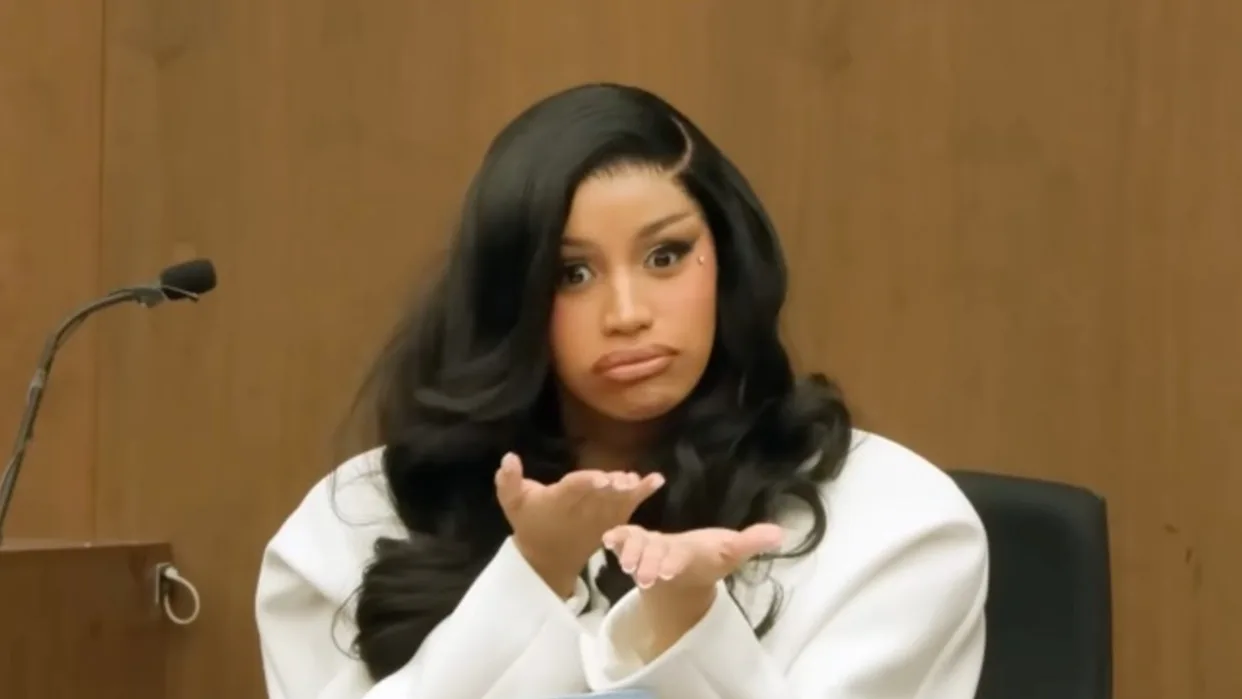
Cardi B reacts from the witness stand with a visibly confused expression during tense moments of questioning in her closely watched trial.
Why the Fine Matters Beyond This Case
Judge Fusselman’s ruling sends a pointed message about courtroom boundaries, particularly in cases involving high-profile defendants. The decision reinforces the principle that attorneys cannot introduce inflammatory or character-based insinuations once a court has determined they are irrelevant or prejudicial, regardless of the defendant’s public persona.
The sanction also highlights the balance courts attempt to strike between aggressive advocacy and procedural fairness. While lawyers are expected to challenge credibility and probe inconsistencies, they are equally bound by rulings designed to protect the integrity of the trial process. Fusselman’s finding that the violation was intentional rather than inadvertent places the responsibility squarely on counsel, not circumstance.
After the verdict, Cardi B addressed reporters outside the courthouse, reiterating that she did not physically assault Ellis and warning that future frivolous lawsuits would be met with countersuits. Her remarks reflected both relief and frustration after years of litigation, emphasizing the personal toll such cases can take even when a defendant prevails.
Although the underlying lawsuit has been resolved, the fine ensures the case leaves behind a broader lesson about courtroom conduct. For attorneys, it serves as a cautionary reminder that attempting to push boundaries can carry professional consequences. For observers, it offers a rare glimpse into how judges police fairness when celebrity, credibility, and legal strategy collide under oath.
What This Case Reveals Beyond the Verdict
Can a lawyer be fined personally for courtroom questions in a civil trial?
Yes. Courts have the authority to sanction attorneys directly when they violate rulings or engage in misconduct, even if their client ultimately loses or wins the case. These fines are personal penalties, meaning they are paid by the lawyer, not the client, and are intended to enforce courtroom discipline rather than compensate either party. Sanctions can also escalate beyond fines, including referrals to state bar associations, which can carry longer-term professional consequences.
Why are questions about gang affiliation considered especially prejudicial in court?
Courts treat gang-related questions as highly sensitive because they can trigger strong emotional reactions and implicit bias from jurors, particularly when the topic is unrelated to the facts being tried. Even unproven suggestions of gang ties can unfairly shape perceptions of credibility or character, which is why judges often exclude them unless they are directly relevant and supported by evidence. The goal is to prevent verdicts from being influenced by stigma rather than facts.
Does a courtroom sanction affect a lawyer’s future cases or reputation?
While a single fine does not automatically derail a legal career, it becomes part of a lawyer’s professional record, especially when self-reporting to the state bar is required. Judges, opposing counsel, and clients may take note of prior sanctions when assessing credibility and conduct in future cases. Repeated or serious violations can lead to disciplinary hearings, increased scrutiny from courts, and potential limitations on professional standing.