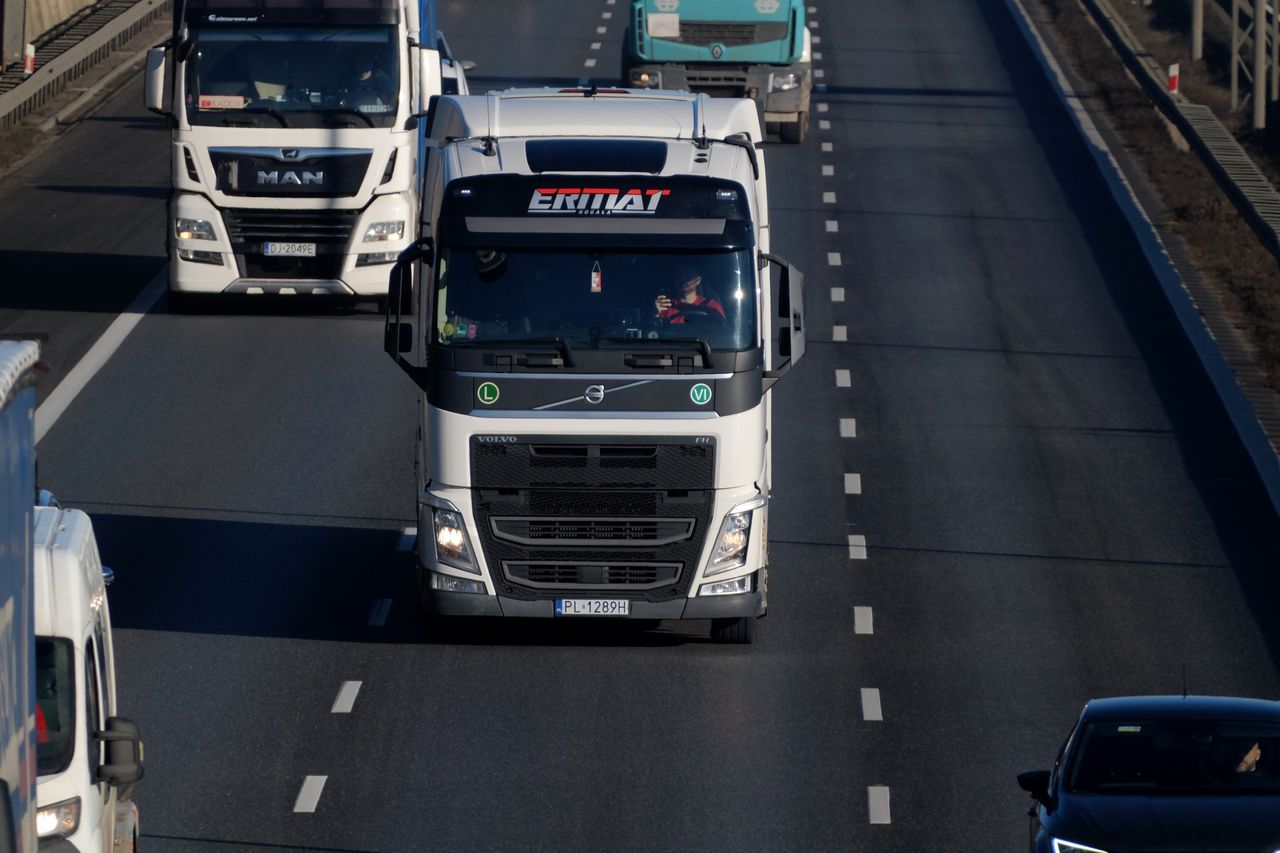
Trucking operations are dynamic, and they evolve as markets shift and change. Customers can be gained or lost; routes may shift; freight needs can be modified; and new equipment might be added. Insurance, however, will be based on an understanding of specific operational details and characteristics.
While the insurance coverage can be in place for the entirety of the coverage period, the actual operation would change during the same time frame.
In many instances, these changes will not be major and sweeping, but rather gradual.
Understanding this difference helps explain why coverage reviews are a common part of sound business practice for transportation companies.
Why Trucking Operations Never Stay Exactly the Same
There are very few trucking companies out there that operate in exactly the same way all the time.
An operation that started as a smaller local one might expand into a regional carrier, and even go outside its home state boundaries.
New customers might need to be handled in a way different from what the company used before, because their requirements might be different.
Additional trucking equipment could have been added during the course of the coverage period.
Some of the things that can affect the insurance coverage, therefore, would include:
- Expansion to a wider territory of operations;
- Changes in the freight mix offered;
- The addition of new equipment;
- Changes in driver allocation;
- Contractual changes that could affect operations.
Individual changes could be insignificant, but together, they could alter the entire face of the business.
Coverage Will Be Placed Based On Known Operational Details
Insurance is always placed based on the way in which a business is being operated. The operational details known at the time of placement are typically central to how a policy is structured.
When operations change, there may be differences between current activities and the details on which existing coverage was based.
This is not to say that insurance coverage will necessarily be inadequate. The problem is that the details known at the time of placement will differ from current operations.
GIA Group LLC is an insurance agency helping transportation companies navigate coverage considerations as business needs and operations evolve.
Changes Happen Gradually Most of the Time
What is especially interesting about trucking insurance is that big changes do not necessarily happen at one time.
Operations often evolve slowly, one step at a time.
A company might buy some new trucks each year. It might secure new contracts that lead to the growth of the business. Its scope may be modified slightly, and new cargo types may be added.
Each of these changes might be minor on its own, but together they may significantly affect how operations are classified and covered.
Since these changes are incremental, it is easy to overlook them from an insurance perspective.
Business Changes Usually Outpace Documentation
Most often, the growth of operations will depend on the needs of the business and opportunities that are available. It may take a little time to complete documentation after securing a contract that leads to new operations.
That will make the business more complex and dynamic from an operational perspective, and at the same time, slower from a documentation perspective.
This may cause some differences between insurance coverage and business activity, simply because the latter evolves faster than the documentation process.
It is worth noting that operational data is often accessible and can support coverage conversations when needed.
Operational Complexity Will Matter Even When the Fleet Size Remains the Same
When talking about commercial trucking insurance coverage, fleet size is often considered to be the key factor. While this detail certainly matters, it is not the only important characteristic to consider.
Two fleets can actually be different, even when their size is equal. Both of them can have ten units, but operate in a completely different way.
While one may perform simple and repetitive operations within a small radius, the other could serve multiple clients and industries, and cover a much larger area.
Fleet size in this instance would be equal, while operations would be totally different.
That makes insurance consideration related more to the way operations are carried out than to fleet size alone.
Why Coverage Review Will Help Keep the Balance
Coverage reviews are typically performed when a policy is about to expire. At other times, the business can change enough to warrant a coverage discussion.
It is important to note that such reviews are not supposed to guarantee or predict anything regarding future claims.
The goal is to ensure that operational details are discussed regularly to keep pace with business changes.
Periodic review of operational details can be especially relevant for companies experiencing growth, diversification, or shifting operational profiles.
Coverage Will Always Be Connected With Operations
Any transportation company out there will experience changes to its operations over time.
Requirements from customers will evolve – the market situation will become more complicated and new opportunities will require a different approach.
At the same time, coverage will start from a set of known operational conditions and will have certain limitations based on them.
Keeping coverage aligned with operations over time is one reason why periodic review tends to be a standard practice in commercial trucking.