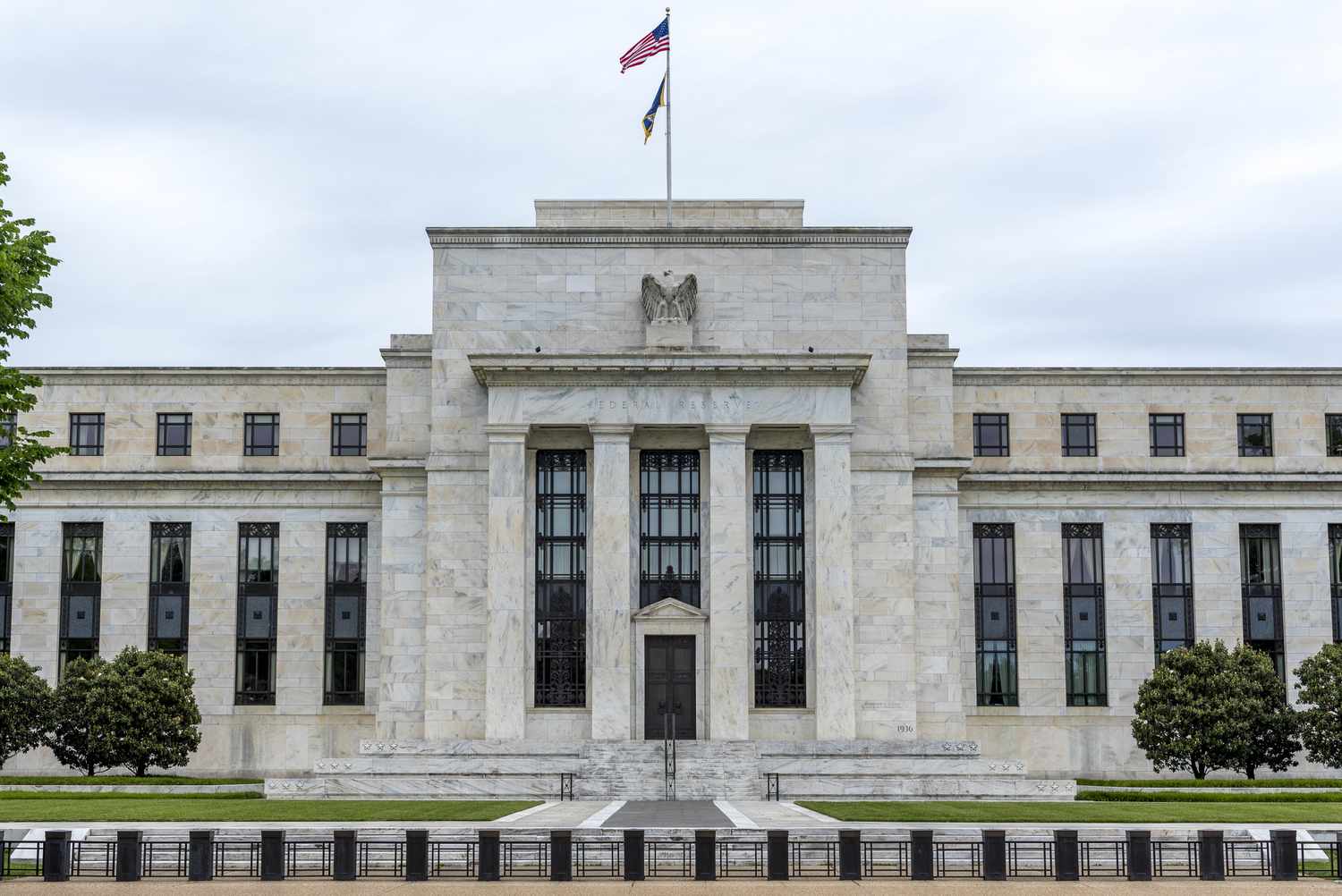
The Federal Reserve is expected to leave US interest rates unchanged in October before raising them again in December, according to a Reuters poll of economists concerned about persistent inflation and the strength of the American economy. The survey, conducted between October 16 and 20, found that 94 of 100 economists expect the central bank to maintain its benchmark interest rate at 3.75%–4.00% when policymakers meet on October 27–28. All 100 respondents anticipate an increase in December, compared with fewer than half in the previous month's survey.
The shift follows the Federal Reserve's unanimous decision to raise rates by 25 basis points in September, its first increase since 2023.
Inflation remains the central concern. Higher energy prices linked to the conflict involving Iran, alongside tariffs on imported goods, have increased pressure on household budgets and business costs. Oil prices remain above $100 a barrel, adding to concerns that inflation could remain elevated for longer than previously expected.
Economists surveyed by Reuters forecast that the Personal Consumption Expenditures Price Index, the Fed's preferred inflation measure, will remain more than one percentage point above its 2% target over coming quarters. The survey suggests inflation may not return to target until at least 2028. Federal Reserve Chair Kevin Warsh has avoided signalling how policymakers will vote at their next meeting, despite growing expectations of another increase before the end of the year. The uncertainty has contributed to volatility in US government bond markets.
Longer-term Treasury yields climbed to multi-decade highs earlier in October before retreating as expectations of an immediate rate increase weakened. For investors, further monetary tightening could affect bond prices, equity valuations and the attractiveness of different asset classes. Higher interest rates also create challenges for borrowers.
Mortgage rates, business financing costs and consumer credit could remain elevated if monetary policy stays restrictive into 2027. Companies with floating-rate debt or refinancing requirements may face additional pressure on profitability and investment plans. Despite these concerns, the US economy has demonstrated considerable resilience. Economic growth reached an annualised 2.2% in the second quarter, supported partly by investment in artificial intelligence infrastructure. Economists expect growth of approximately 3.2% in the third quarter before moderating to 2.2% during the final three months of 2026. Annual economic growth is forecast at 2.3% for 2026 and 2.1% in 2027. Consumer spending has also remained relatively strong, although some economists believe the resilience is concentrated among higher-income households benefiting from financial market gains. The combination of economic growth and persistent inflation has raised questions about how far interest rates may need to increase.
Nearly 60% of economists surveyed expect the benchmark rate to peak at 4.00%–4.25%. However, 38 of 92 respondents anticipate at least two further increases, compared with approximately one-fifth in September. The October meeting takes place shortly before the US midterm elections, adding political attention to a decision already closely watched by financial markets.
For investors and borrowers, the distinction between October and December is increasingly important. An October pause would not necessarily signal the end of monetary tightening. Instead, it could give policymakers additional time to assess inflation and economic conditions before deciding whether another increase is justified.
The December decision will provide a clearer indication of how aggressively the Federal Reserve intends to respond to persistent price pressures.