Elon Musk has backed a potential merger between Tesla and SpaceX that could create a technology group worth approximately $3.5 trillion, although independent committees and shareholder approval present significant obstacles to any agreement. Both companies have established special committees to examine a possible transaction, but Musk has acknowledged that a merger is far from certain and that no terms have been agreed.
Speaking after SpaceX reported its latest quarterly results, Musk said combining the businesses could make strategic sense as their activities increasingly overlap in artificial intelligence, robotics and advanced manufacturing. However, his substantial interests in both companies mean he cannot participate in the independent committees evaluating the proposal. The discussions could ultimately result in SpaceX acquiring Tesla, according to a person familiar with the matter, although the structure remains undecided.
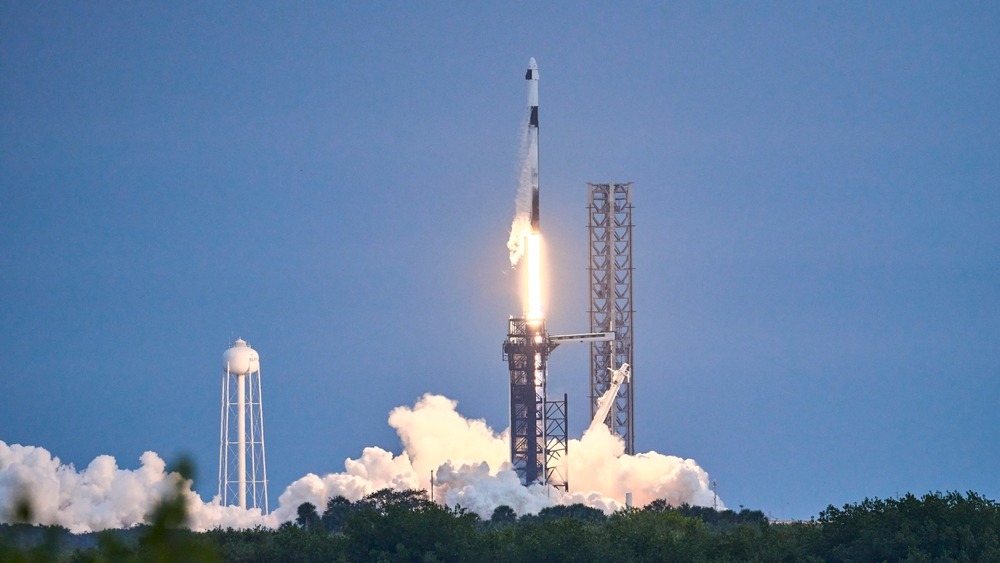
The potential transaction would bring together Tesla's electric vehicles, energy storage and autonomous driving operations with SpaceX's rocket launches, Starlink satellite communications and expanding AI infrastructure business. The companies are already collaborating on the Terafab semiconductor project, highlighting opportunities to share technology, manufacturing expertise and computing resources. Analysts believe a merger could reduce duplicated expenditure and allow capital to be allocated across a much larger organisation.
SpaceX's latest financial results have added momentum to the discussions. Quarterly revenue rose 161% to approximately $14.6 billion, supported by rapid expansion in artificial intelligence services. The company also reported its first quarterly profit since becoming publicly traded. However, capital expenditure reached $19.6 billion during the quarter, reflecting the enormous investment required to expand computing infrastructure and other operations. Further spending of $35 billion to $40 billion is anticipated during the fourth quarter.
Those investment requirements create an important financial question for Tesla shareholders. A combined company could potentially share financing arrangements and infrastructure costs, but Tesla investors would also gain exposure to SpaceX's substantial capital commitments. Any merger proposal would need to demonstrate that the financial benefits outweigh the risks of combining businesses with different operating models, investment requirements and shareholder expectations.
Corporate governance represents another major obstacle. Musk holds approximately 85% of SpaceX's voting power through its share structure, compared with roughly 20% at Tesla. Analysts estimate that a merger could increase his voting control of the combined company to approximately 57% or 58%, depending on the eventual exchange ratio. No such ratio has been agreed, making these estimates illustrative rather than a forecast of the final ownership structure.
Tesla shareholders would also face an unusually demanding approval process. Musk has said the transaction would require support from holders of a majority of all outstanding Tesla shares, rather than simply a majority of votes cast. That means abstentions and uncast ballots could effectively count against the merger. Independent directors would need to establish that any proposed valuation and ownership arrangements are fair to shareholders in both businesses.
The possibility of regulatory scrutiny adds further uncertainty. SpaceX's government and defence contracts, Tesla's international manufacturing operations and the companies' growing AI activities could attract attention from authorities reviewing the transaction. Investors will also be watching Tesla's forthcoming financial disclosures and its annual shareholder meeting on December 3 for further indications of how the discussions are progressing.
For investors, the central question is whether combining Tesla and SpaceX would create measurable financial value beyond the strategic appeal of bringing Musk's businesses together. Potential efficiencies in artificial intelligence, manufacturing and infrastructure must be weighed against financing demands, governance concerns and the possibility of substantial changes to shareholder control.
The formation of independent committees marks a meaningful development, but it does not establish that a deal will proceed. Until the companies agree on terms and secure the necessary approvals, the prospect of a $3.5 trillion Tesla–SpaceX combination remains a potential transaction rather than a confirmed merger.