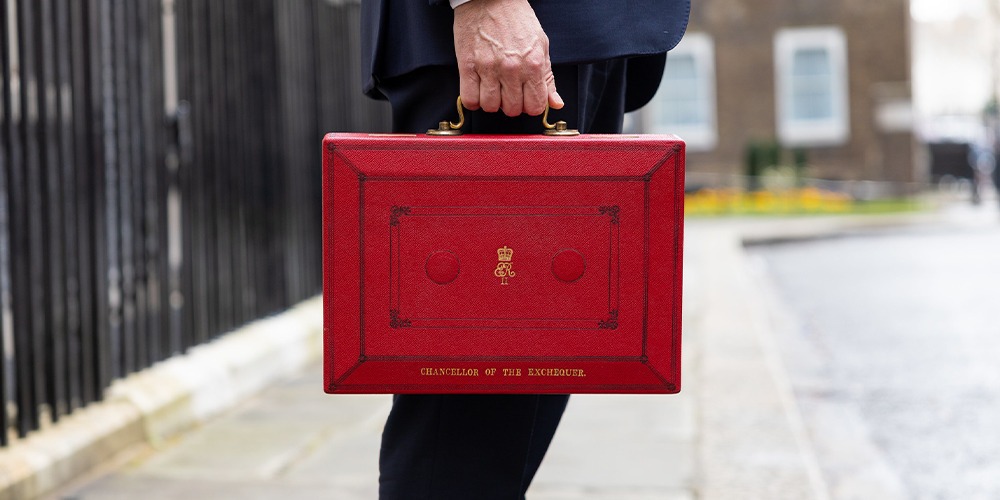
UK inflation has risen to its highest level in almost a year while government borrowing has exceeded forecasts, increasing pressure on Chancellor John Healey ahead of his first Budget on 28 October. Figures released by the Office for National Statistics (ONS) on Wednesday showed consumer price inflation climbing to 3.5% in September, up from 3.1% in August and above economists' expectations of 3.4%. The increase was driven largely by higher motor fuel prices as disruption to global energy supplies continued to affect household and business costs.
Inflation remains well above the Bank of England's 2% target, strengthening expectations that policymakers could raise interest rates at their next meeting on 5 November. The latest figures also underline the financial constraints facing the Treasury. Public sector borrowing reached £24.5 billion in September, £1.8 billion higher than a year earlier and £1.9 billion above the Office for Budget Responsibility's forecast.
Debt interest payments reached approximately £10.9 billion, the highest September figure on record, partly reflecting inflation-linked government bonds. Public sector debt was provisionally estimated to have exceeded £3 trillion for the first time, although debt as a proportion of GDP was lower than a year earlier. Borrowing during the first six months of the financial year totalled £97.8 billion, £4.4 billion below the same period last year but £6 billion above official forecasts. That combination leaves Healey facing difficult decisions over taxation, public spending and support for households affected by rising living costs. Higher energy prices are particularly challenging because they increase costs across transport, manufacturing and consumer goods. Businesses may seek to pass those increases on to customers, potentially prolonging inflation even if global energy markets stabilise. The Bank of England faces a similar balancing act.
Policymakers held Bank Rate at 3.75% in September, with six members voting to maintain borrowing costs and three favouring an immediate increase to 4%. The latest inflation figures have strengthened expectations of a November rate rise, although no decision has been made. Higher interest rates would increase costs for some mortgage borrowers, particularly those on variable-rate products or refinancing fixed-rate deals. Businesses with floating-rate debt or upcoming refinancing requirements could also face additional pressure on cash flow and investment plans.
However, tighter monetary policy could help prevent energy-driven inflation from spreading into wider prices and wage expectations. For the Chancellor, higher borrowing costs create a further challenge because they can increase the government's debt-servicing burden. The Treasury must also consider how any Budget measures intended to ease household costs could affect inflation and the wider fiscal outlook. Financial markets will be watching closely for evidence that the government can maintain its fiscal commitments while responding to pressure from rising prices.
The latest figures do not mean public borrowing is increasing across every measure. Nevertheless, the combination of higher-than-forecast monthly borrowing, elevated inflation and a debt stock exceeding £3 trillion leaves limited room for expensive new commitments. The Budget on 28 October will provide the next indication of how the government intends to manage those pressures.
For households and businesses, the Bank of England's decision on 5 November will then determine whether borrowing costs rise again as policymakers attempt to bring inflation back towards target.