A fresh warning from the Federal Reserve is raising the possibility that borrowing costs could stay elevated for longer, creating fresh strain for households, homebuyers and businesses that have spent years dealing with higher prices. The debate is no longer simply about when inflation will fall. It is increasingly about whether policymakers may decide current interest rates are not restrictive enough to contain it.
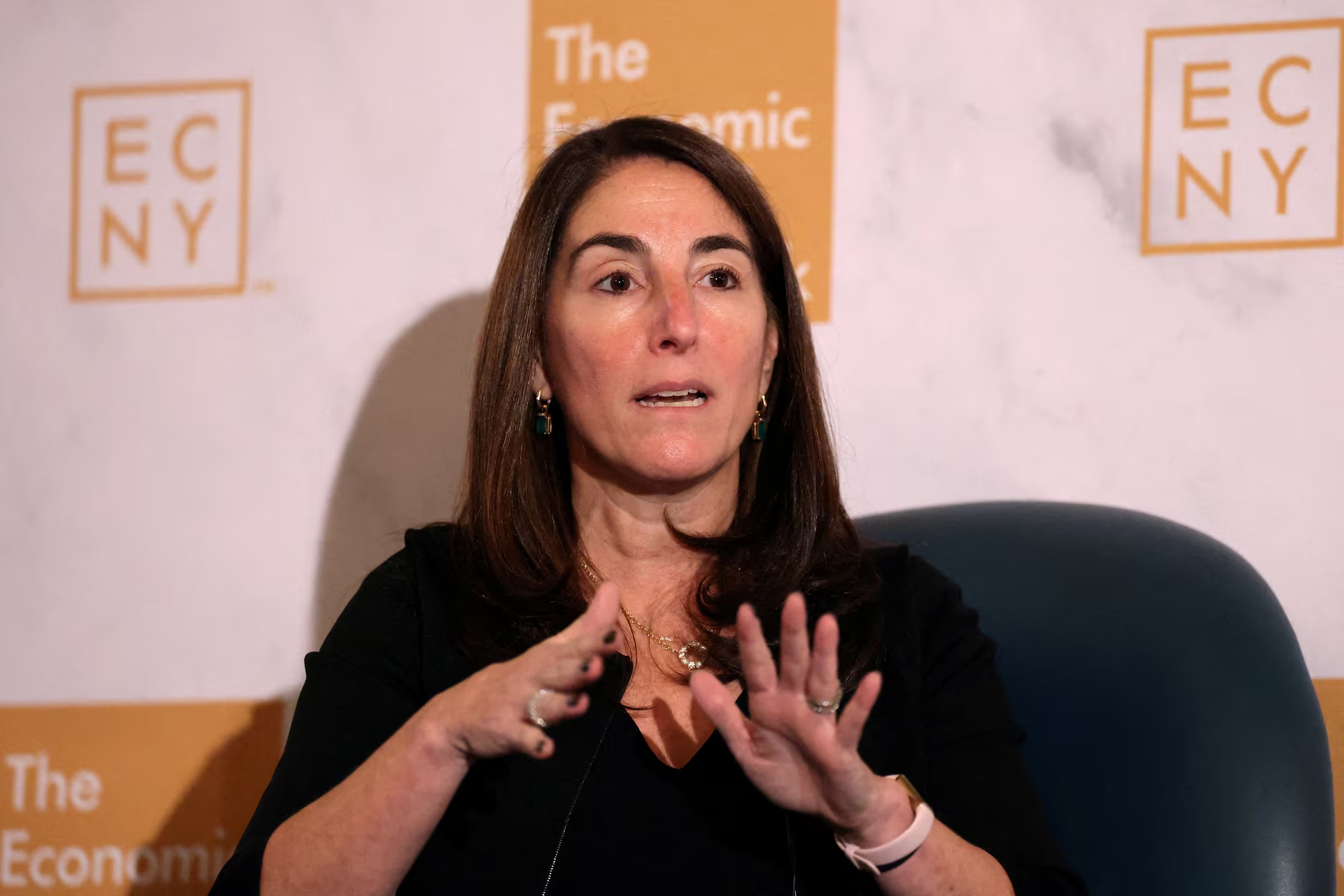
Speaking Tuesday, Cleveland Federal Reserve President Beth Hammack said inflation remains too high and is showing signs of strengthening rather than easing. While she said holding rates steady remains appropriate for now, she also warned that waiting too long to respond could prove costly if inflation becomes embedded across the economy.
Her comments arrive at a delicate moment for consumers and businesses that had hoped the next major shift from the Federal Reserve would eventually bring lower rates. Instead, attention is turning toward whether inflation is proving more stubborn than expected and whether tighter policy may ultimately be needed to prevent higher prices from becoming a lasting feature of the economy.
Inflation has remained above the Fed's 2% target for years, and recent increases in energy costs have added another layer of strain. Businesses facing higher operating expenses are being forced to make difficult decisions about pricing, investment and expansion. Some may absorb those costs temporarily, but others are already passing them on to customers.
The effects are already showing up outside financial markets. Mortgage costs remain elevated, credit card balances are becoming more expensive to carry and business loans are far costlier than they were just a few years ago. For households waiting for meaningful relief from higher living costs, that relief still feels distant.
Those costs are also shaping behaviour across the economy. Some prospective homebuyers have delayed purchases, consumers have become more selective with discretionary spending, and businesses facing expensive financing are taking a more cautious approach to hiring and expansion. Economic activity has not stalled, but financial flexibility is becoming harder to find.
Hammack pointed to inflation being driven by rising electricity costs, health insurance expenses and software prices. Rather than being concentrated in one corner of the economy, higher costs are appearing across a wide range of sectors, making inflation harder for policymakers to bring under control.
Even with inflation remaining elevated, the broader economy has continued to show resilience. The labor market remains stable, unemployment is near levels associated with full employment, and economic growth has not weakened enough to remove inflation from the Fed's primary focus. That backdrop allows policymakers to keep their attention firmly on rising prices if they believe inflation risks are growing.
Investors who spent much of the year expecting eventual rate cuts are becoming less confident about that outlook. Some are now starting to ask whether another increase could re-enter the conversation if inflation refuses to cool. Even without immediate action from the Federal Reserve, those expectations can influence borrowing decisions, investment plans and market sentiment.
Few expected the conversation to turn back toward higher rates in 2026. Yet with inflation moving higher and Federal Reserve officials sounding less comfortable with the trend, hopes for easier borrowing conditions suddenly look less certain than they did only a few months ago.