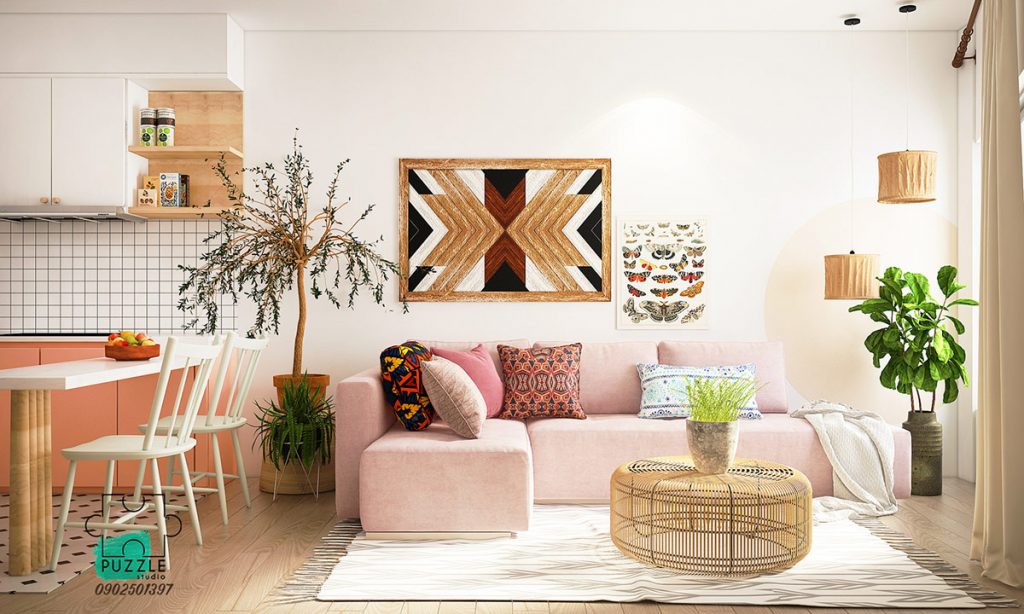
Interior designer and design historian Alessandra Wood, speaking to Business Insider, shared which home decor trends she avoids and why. “While these pieces can be great when they really speak to you, oftentimes we find ourselves buying them just to buy something,” she said, explaining her philosophy of meaningful curation. For anyone trying to navigate an overwhelming number of design trends, her insights show how to prioritize long-lasting style and avoid common pitfalls.
Why Popular Decor Trends Can Backfire at Home
Wood is not a fan of items like decorative mason jars, faux flowers, or matching bedroom sets. While these may look appealing online or in stores, they often fail to create a cohesive, personalized home environment. She explained, “Choose decorative accents that you find yourself drawn to and really love or ones that you collect on your journeys. Nix the objects that don't support a larger narrative.”
Even trends that seem small — like roller shades or textured walls — can have outsized consequences, affecting everything from usability to long-term flexibility in decorating.
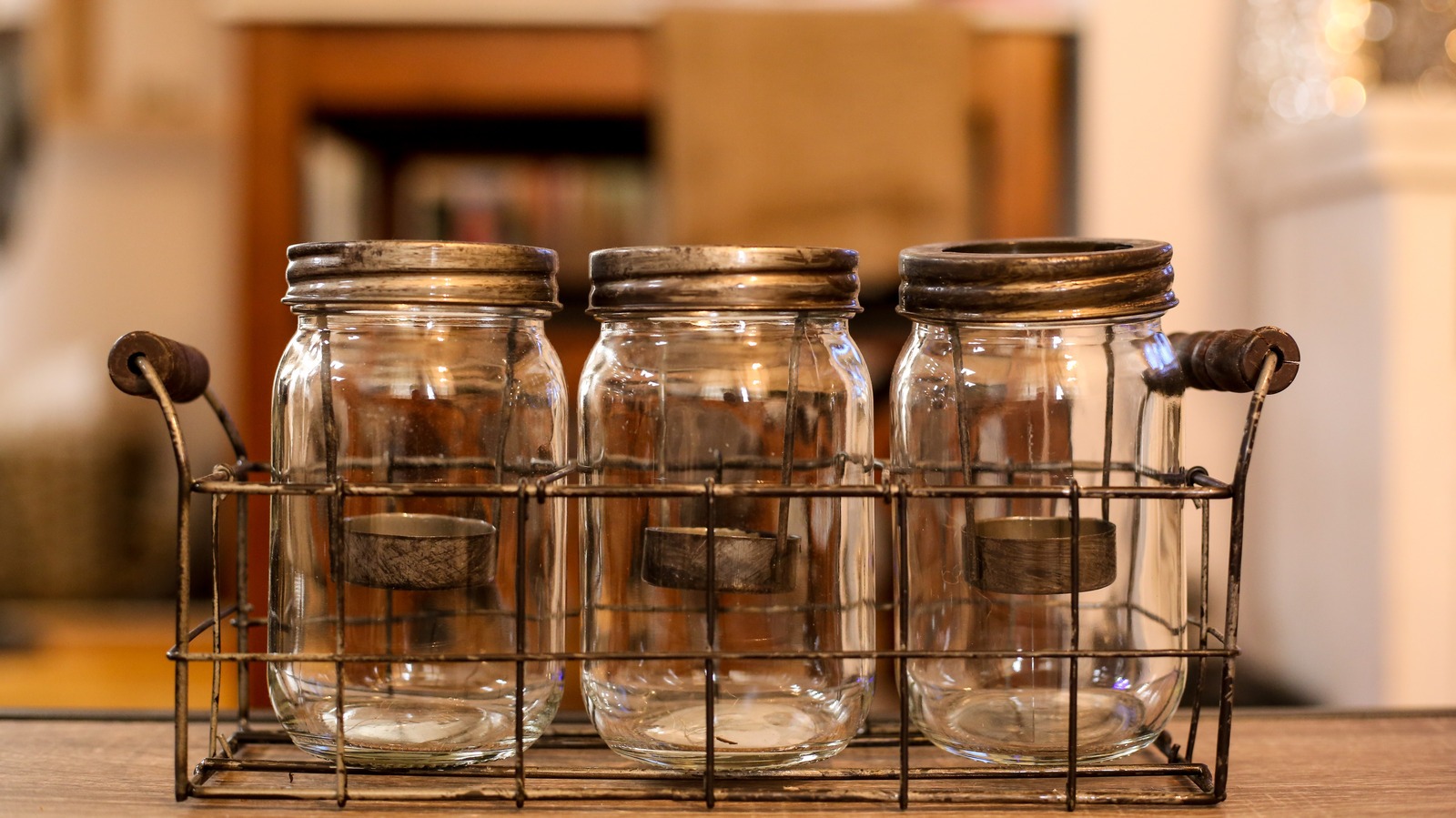
While popular in rustic and farmhouse décor, interior designer Alessandra Wood avoids using mason jars as purely decorative items, favoring more personalized and meaningful accents.
The Hidden Hassles of Everyday Home Items
Mason Jars and “Filler” Decor
While mason jars have become popular as rustic or farmhouse-style accents, Wood said they feel “too homemade” for her personal taste. Similarly, generic decorative objects meant to fill empty shelves or tables often end up cluttering the space rather than adding value. Instead, she favors items with personal meaning or artistic design.
Clothing Racks and Roller Shades
On-display clothing racks may look chic in photos but require constant maintenance to keep tidy. “This only looks good when curated and perfect, which is a lot to ask for something that you use every single day,” Wood noted. For window coverings, roller shades can appear dated, while cordless roman shades offer elegance, functionality, and softness without the visual strain.
Faux Flowers and Polypropylene Rugs
Faux flowers often collect dust, while polypropylene rugs degrade faster than natural materials. Wood recommends real flowers or living plants and wool or cotton-blend rugs, which are durable, hypoallergenic, and timeless. “These rugs are meant to last years — even lifetimes,” she said.
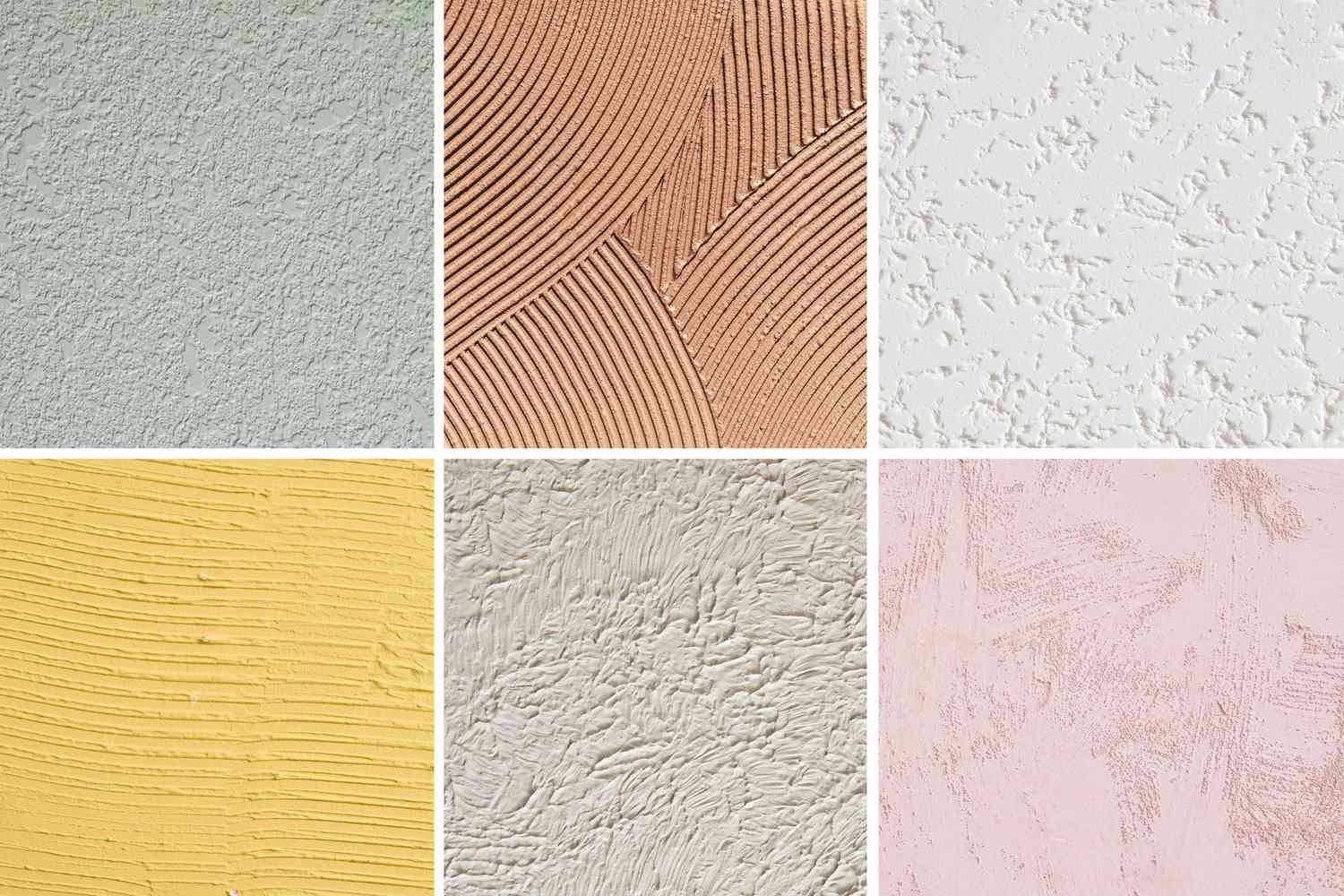
Interior designer Alessandra Wood recommends avoiding textured walls on sheetrock, as smooth surfaces offer a cleaner look and more flexibility for future décor changes.
Colors and Surfaces That Shape Your Space
Red-and-Black Rooms
Wood avoids painting entire rooms in red and black, which can feel aggressive or overly intense. She suggests using reddish-brown tones paired with neutrals or earthy greens for warmth and balance.
Textured Walls and Ceilings
Textured walls and ceilings can limit decorating flexibility and complicate future renovations. Unless walls are plaster with natural texture, Wood recommends smooth sheetrock for a crisp look that accommodates wallpaper, peel-and-stick options, and a variety of decor.
Mirrored Walls and Molded Bathroom Vanities
While mirrors can amplify light, floor-to-ceiling mirrored walls often feel like a dance studio or dated Miami condo. Similarly, all-in-one molded bathroom vanities are often inexpensive and impersonal; she favors stone countertops with separate sinks for a more luxurious, personalized aesthetic.
Furniture Choices That Bring Personality
Matching Bedroom Sets
Purchasing a full matching bedroom suite can make a room feel like a showroom rather than a home. Wood advises mixing textures and materials to create a more organic, human-centered space.
Armoires Over Open Clothing Racks
Armoires provide closed storage, keeping bedrooms tidy without daily rearrangement stress. This approach reinforces her philosophy: design choices should enhance daily life, not create extra pressure.
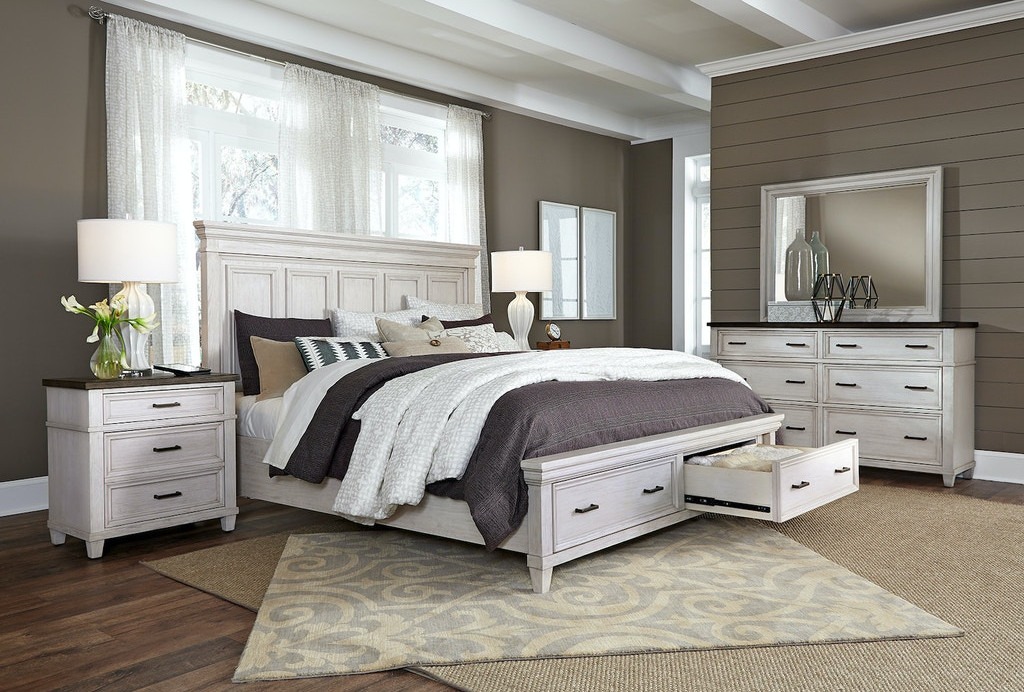
Alessandra Wood advises against full matching bedroom sets, noting that mixing pieces and textures creates a more personalized and organic look in your home.
The Bottom Line: Invest in Meaningful, Lasting Design
Wood’s guidance is clear: avoid trendy shortcuts and choose items that endure physically, aesthetically, and emotionally. Whether it’s replacing synthetic rugs with natural fibers, opting for living plants over faux flowers, or selecting furniture that reflects personality, thoughtful decisions yield spaces that feel alive, curated, and sustainable.
“While trends may tempt us, what matters is creating a home that tells your story,” Wood said. Her advice reminds homeowners that long-term satisfaction often trumps social media appeal — a crucial lesson as the home decor market grows increasingly fast-paced.
Expert Interior Design Insights
How can I mix modern and vintage pieces without making my home look cluttered?
Mixing modern and vintage items works best when you balance scale, color, and material. Keep larger furniture neutral and let vintage accent pieces, like a unique chair or lamp, anchor the room visually. Limit each area to one or two standout vintage items to avoid a cluttered feel, and maintain consistency in textures to unify the space.
What are the best ways to make a small room feel bigger?
Designers often use light-reflecting surfaces, strategic mirrors, and vertical storage to create the illusion of space. Choosing low-profile furniture, keeping flooring consistent, and using neutral or soft wall colors can also make a room feel more open. Plants and art can add personality without overwhelming the space.
Which everyday home items can actually increase long-term property value?
Focus on durable, timeless materials and functional upgrades. Hardwood floors, stone countertops, and high-quality cabinetry are preferred by buyers. Built-in storage solutions, efficient lighting, and energy-conscious appliances not only enhance livability but also contribute to long-term property value. Personal decor like knickknacks or trendy furniture rarely impacts resale value.
You May Also Like: Oprah’s Weight Loss Revolution: How “Enough” Is Changing Obesity Care