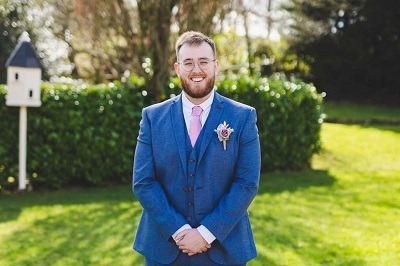
As Take That's documentary series climbs the Netflix charts, offering an intimate look at their journey from Manchester origins to global stardom, Jason Orange's contributions as dancer and vocalist during the group's peak years are once again in the spotlight.
His net worth is estimated at £35 million, built through band royalties, performance earnings, and carefully chosen property ventures rather than ongoing music or entertainment work. This wealth places him among Take That's most successful alumni, reflecting a career defined by dance, vocals, and a quiet, deliberate transition from pop fame to private business following his 2014 departure from the band.
The Netflix resurgence has sparked renewed interest in Orange's role in Take That’s iconic era. Unlike some contemporaries who continue to pursue public endeavors, Orange has embraced a low-profile life focused on family, property, and personal projects, demonstrating that sustained wealth and legacy can coexist with privacy.
Early Life: Manchester Upbringing Sparks Dance and Performance Passion
Jason Thomas Orange was born on July 10, 1970, in Manchester, Lancashire, arriving a few minutes before his twin brother, Justin. The children were raised primarily by their mother, Jenny, after their parents divorced, in the Crumpsall area of the city. Growing up in Manchester’s urban landscape, Orange discovered an early passion for performance, particularly dance, that would define his professional trajectory.
He left school at 16, taking a job as a painter and decorator, but continued to nurture his talents in dance. He joined the breakdancing crew Street Machine, performing on television shows including The Hit Man and Her, honing the precision and showmanship that would later define his work with Take That. These formative experiences in dance, stage presence, and competitive performance provided Orange with the foundation for a career in music and entertainment, blending discipline with creativity.
Career: From Street Machine to Take That and Beyond
Jason Orange’s professional path began in the late 1980s with Street Machine, a breakdancing collective known in Manchester’s underground scene. Performing at competitions and appearing on television, he earned modest fees that reflected both exposure and growing expertise. This early work laid the groundwork for his entry into the mainstream.
In 1990, Orange joined Gary Barlow in Take That as a dancer and backing vocalist, contributing to the group’s meteoric rise. The band’s albums sold millions worldwide, and their tours grossed tens of millions, establishing them as one of the UK’s defining pop acts. Orange’s combination of precision dance moves and vocal harmonies became a key element of the group’s identity during their 1990s heyday.
After Take That’s initial split in 1996, Orange explored acting, appearing in productions such as We Will Rock You, earning weekly theater salaries while continuing to experiment with other pursuits, including a brief study in psychology. While these endeavors provided professional growth, they contributed modestly to his wealth compared to his time with the band.
Rejoining Take That from 2005 to 2014 reignited his connection to mainstream music and touring, producing albums such as The Circus and tours that grossed over £50 million. Following his 2014 retirement, Orange stepped away from public life, focusing instead on private business ventures, property management, and selective investments. This transition highlights a deliberate move from public entertainment income to sustainable, long-term wealth management.
Net Worth 2026: Band Royalties Anchor a Solid Profile
Jason Orange’s net worth is currently estimated at £35 million, anchored by royalties from Take That’s extensive catalog, performance fees, and property income. While he no longer generates substantial income from music or acting, his strategic management of assets and residuals ensures financial stability and continued growth.
Net Worth Breakdown: Royalties and Property Income
Orange’s wealth is derived from several streams: Take That royalties on iconic hits like Pray and Back for Good, earnings from tours during 1990–1996 and 2005–2014, and theater fees for stage performances. Post-retirement, his property business, Nine The Firs—co-owned with former footballer Neil Lennon—generates between £100,000 and £500,000 annually through management of flats in Bowdon, supplementing his residuals without requiring active involvement in music or performance.
How Orange Built His Wealth: Band Success and Property Shift
Orange’s career demonstrates a classic evolution from performer to investor. Early breakdancing gigs with Street Machine brought small TV appearance fees, which escalated dramatically with Take That’s record-breaking album sales and tours. Post-2014, his pivot to property management via Nine The Firs added a reliable income source, emphasizing stability over continued public exposure. This blend of entertainment residuals and private business has ensured that Orange maintains a substantial, self-sustaining net worth.
Lifestyle and Notable Assets: Quiet Comfort in the Cotswolds
Country Homes and Private Retreats
Since retiring from the public eye in 2014, Jason Orange has embraced a low-profile lifestyle, dividing his time between his countryside home in the Cotswolds and occasional visits to Manchester, prioritizing privacy and financial security over high-visibility pursuits.
He previously owned a £2.85 million penthouse in Gatti House on London’s Strand, a two-bedroom duplex apartment spanning 1,600 square feet with panoramic views of the Thames. The property featured high-end finishes such as marble bathrooms and a private terrace, which he sold in 2018, reflecting a preference for simplifying his holdings.
Orange also owns a property in Keswick, Lake District, a rural retreat complete with its own fishing lake and expansive grounds. Valued between £1 million and £1.5 million based on comparable regional sales, this estate provides a serene escape for relaxation and family time without the maintenance demands of larger estates.
His Cotswolds residence, a countryside home in an undisclosed village, emphasizes comfort and seclusion, with no public details on its value or features, aligning with his desire for a low-key existence away from urban bustle.
Property Business: Nine The Firs Ltd
Through Nine The Firs Ltd, a property company co-owned with former footballer Neil Lennon since 2015, Orange manages a portfolio of rental flats in Bowdon, Cheshire. The portfolio includes upscale apartments in a converted Victorian building, generating annual returns estimated between £100,000 and £500,000, based on company filings showing assets over £1 million and steady rental income from long-term tenants.
This venture provides passive income without requiring active involvement, supplementing his band residuals and allowing him to maintain financial stability while remaining largely out of the public eye.
Vehicles and Practical Possessions
There is no public evidence of a luxury car collection or high-value vehicles. Reports suggest Orange favors practical, understated models suitable for both rural and urban travel, such as standard SUVs or sedans, without documented purchases of exotic or vintage cars exceeding £50,000.
Similarly, there are no details of extravagant luxury items like jewelry, watches, or art collections. He has not been associated with high-profile auctions, designer endorsements, or public displays of wealth, indicating a preference for functional possessions over ostentatious acquisitions.
Philanthropy and Private Priorities
Orange’s charitable activities remain private, with no verified donations or public causes tied to his name. His low-key lifestyle suggests resources are directed toward family, stability, and personal interests rather than material excess.
This restrained approach underscores a post-fame focus on quiet enjoyment and financial prudence, reflecting a deliberate choice to prioritize comfort and security over public attention.
People Also Ask: Deeper Views on Orange’s Wealth and Choices
How has Jason Orange’s property business contributed to his net worth?
Co-owning Nine The Firs with Neil Lennon provides £100,000 to £500,000 annually from property rentals, supplementing band royalties and offering a stable, low-maintenance income.
What role did dance play in Jason Orange’s early earnings?
Participation in Street Machine competitions and TV appearances brought early fees, training discipline, and exposure that ultimately led to Take That’s formation and significant income growth.
Could Jason Orange’s retirement affect his future royalties?
His ongoing band residuals continue from hits produced during his tenure, but leaving in 2014 means he receives no share of post-2014 tours or albums, limiting future growth to existing catalog revenues.
Legacy and Reflection: A Life Beyond the Spotlight
Jason Orange’s journey from a Manchester breakdancer to a global pop icon with Take That illustrates a career built on talent, discipline, and adaptability. While his contributions to the band’s success earned him millions in royalties and tours, his decision to step away from the public eye in 2014 demonstrates a rare commitment to personal privacy and financial prudence.
Today, Orange balances residual income from his music catalog with a successful property portfolio, enjoying a serene life in the Cotswolds and occasional visits to family in Manchester. Unlike many of his contemporaries, he has chosen to live quietly, prioritizing comfort, stability, and meaningful personal pursuits over public attention or flashy displays of wealth.
The renewed interest in Take That through Netflix’s documentary highlights the enduring legacy of Orange’s artistry and reminds fans that his influence on the band—and the UK pop scene—remains significant. His story is a testament to how fame can be transformed into long-term financial security and a balanced, private life, leaving a legacy both on stage and off.