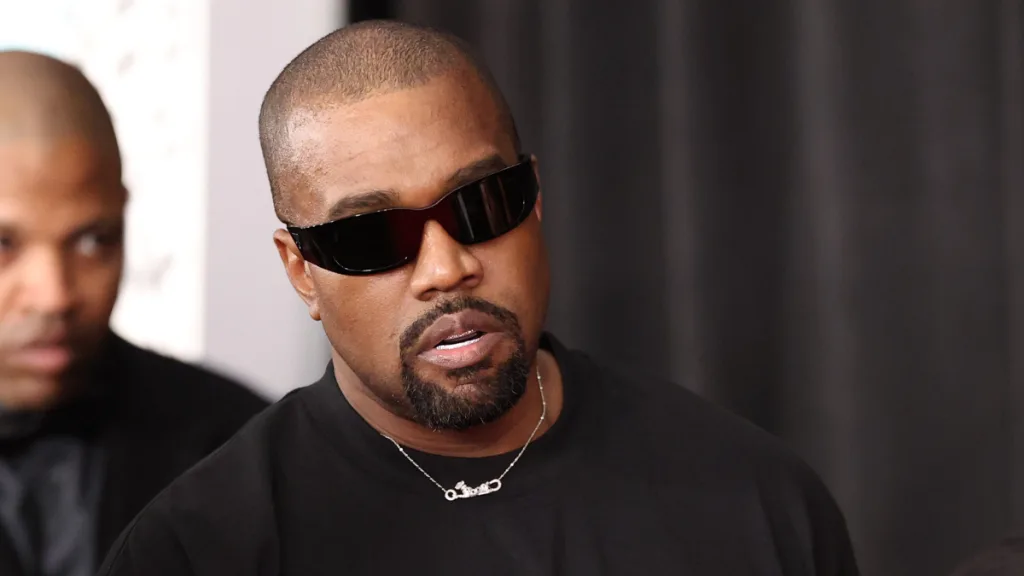
The financial question surrounding Kanye West is no longer whether his remarks were controversial, but how much measurable economic value disappeared as a direct result of them. Between late 2022 and 2025, West’s public antisemitic statements triggered the collapse of his most valuable commercial partnerships, shut down multiple licensing pipelines, and removed him from the global touring and performance economy.
Based on publicly reported valuations, corporate disclosures, and revised net worth assessments, the damage amounts to at least $1.5 billion in lost net worth, with hundreds of millions more in annual earning capacity effectively erased.
This was not a slow decline or a speculative paper loss. The value destruction occurred rapidly and was recorded in earnings reports, balance sheet write downs, and third party net worth revisions. What follows is a detailed breakdown of where Kanye West’s wealth originally came from, how it changed after his remarks, who controls what remains, and what his financial position realistically represents today.
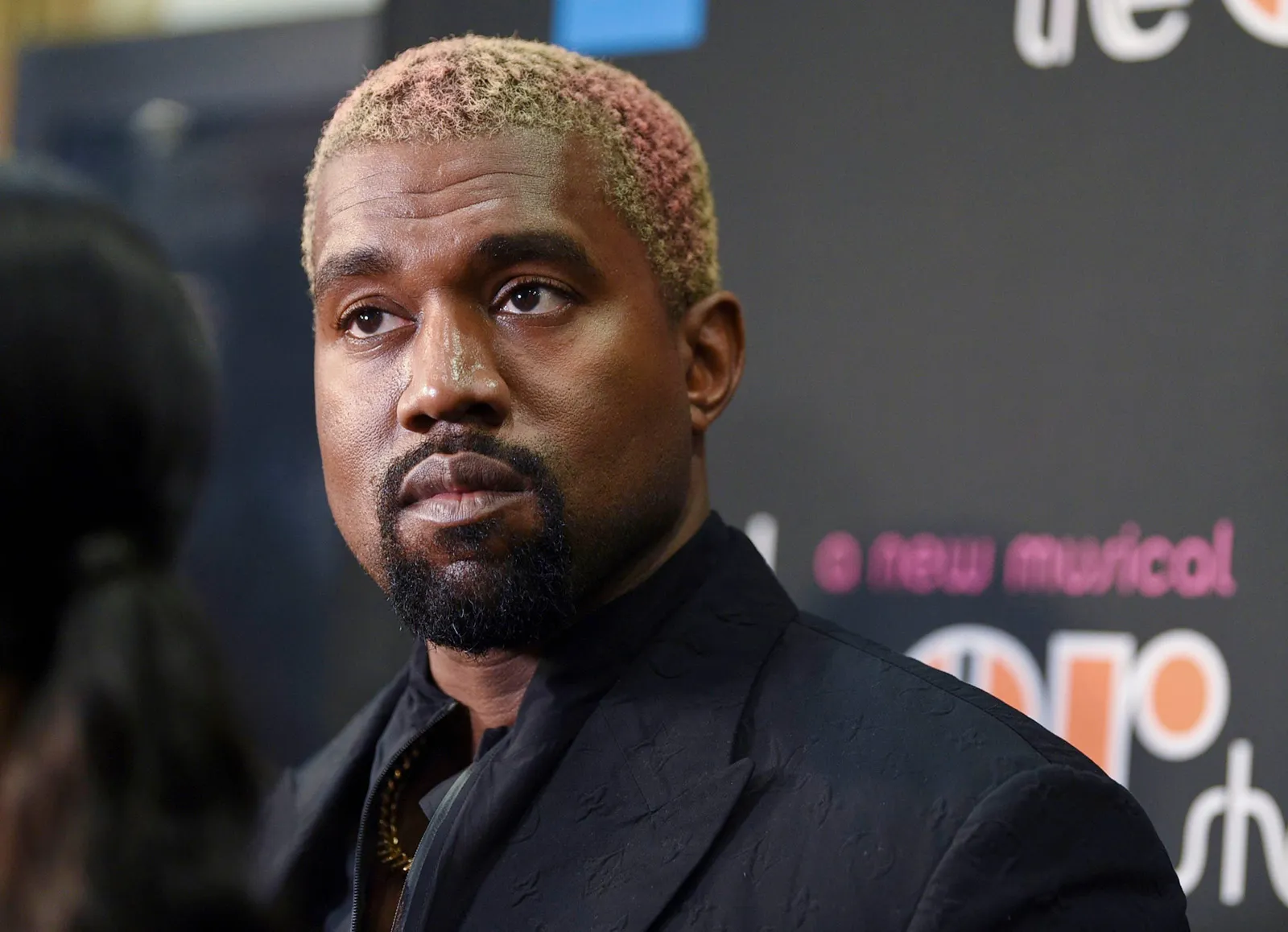
Kanye West stuns in a sleek suit at a red carpet event, showcasing his signature style.
Wealth Origin: Where Kanye West’s Money Came From
Before the collapse, Kanye West’s fortune was unusually concentrated in brand licensing rather than traditional entertainment income. While he was one of the most influential musicians of his generation, music was no longer the primary driver of his wealth by the late 2010s.
The foundation of his fortune rested on four pillars:
Yeezy footwear and apparel licensed through Adidas, music royalties from recordings and publishing, ancillary licensing across fashion and design, and equity stakes in privately held entities connected to Yeezy operations.
The most important distinction is structural. West did not own Adidas Yeezy outright as a vertically integrated company. He owned the Yeezy brand and design intellectual property, while Adidas handled manufacturing, global distribution, marketing, and retail under a licensing and royalty agreement. That structure allowed Yeezy to scale at a pace almost impossible for an independent brand, without West needing to fund factories, inventory, or logistics.
By 2021, Adidas publicly disclosed that Yeezy generated more than €1.5 billion in annual revenue and accounted for a meaningful share of the company’s operating profit. While Adidas never released West’s exact payout, financial analysts consistently estimated that his royalties and profit participation reached the high hundreds of millions annually at peak.
Music income, while still substantial, had become secondary. Even at its strongest touring and streaming cycles, West’s music earnings were materially smaller than what Yeezy licensing generated.
Change Over Time: The Scale of Financial Losses
The Adidas Termination
In October 2022, Adidas formally terminated its partnership with Kanye West, citing his public statements. The financial impact was immediate, quantifiable, and publicly disclosed.
Adidas warned investors that the termination would cost the company €250 million in lost revenue in 2022 alone. The consequences deepened in 2023, when Adidas reported a $540 million loss tied largely to unsold Yeezy inventory write downs. Those figures reflected Adidas’ losses. For West, the effect was far more severe.
Prior to termination, independent valuations from Forbes and Bloomberg placed West’s net worth between $1.8 billion and $2 billion, with Yeezy representing the overwhelming majority of that figure. Within days of the deal ending, Forbes revised his net worth downward by approximately $1.5 billion, stating plainly that Yeezy was no longer generating licensing income.
That revision was not symbolic. Without Adidas’ infrastructure, the Yeezy brand lost the engine that made it a multi billion dollar enterprise. Ownership of intellectual property remained, but the revenue pipeline disappeared almost overnight.
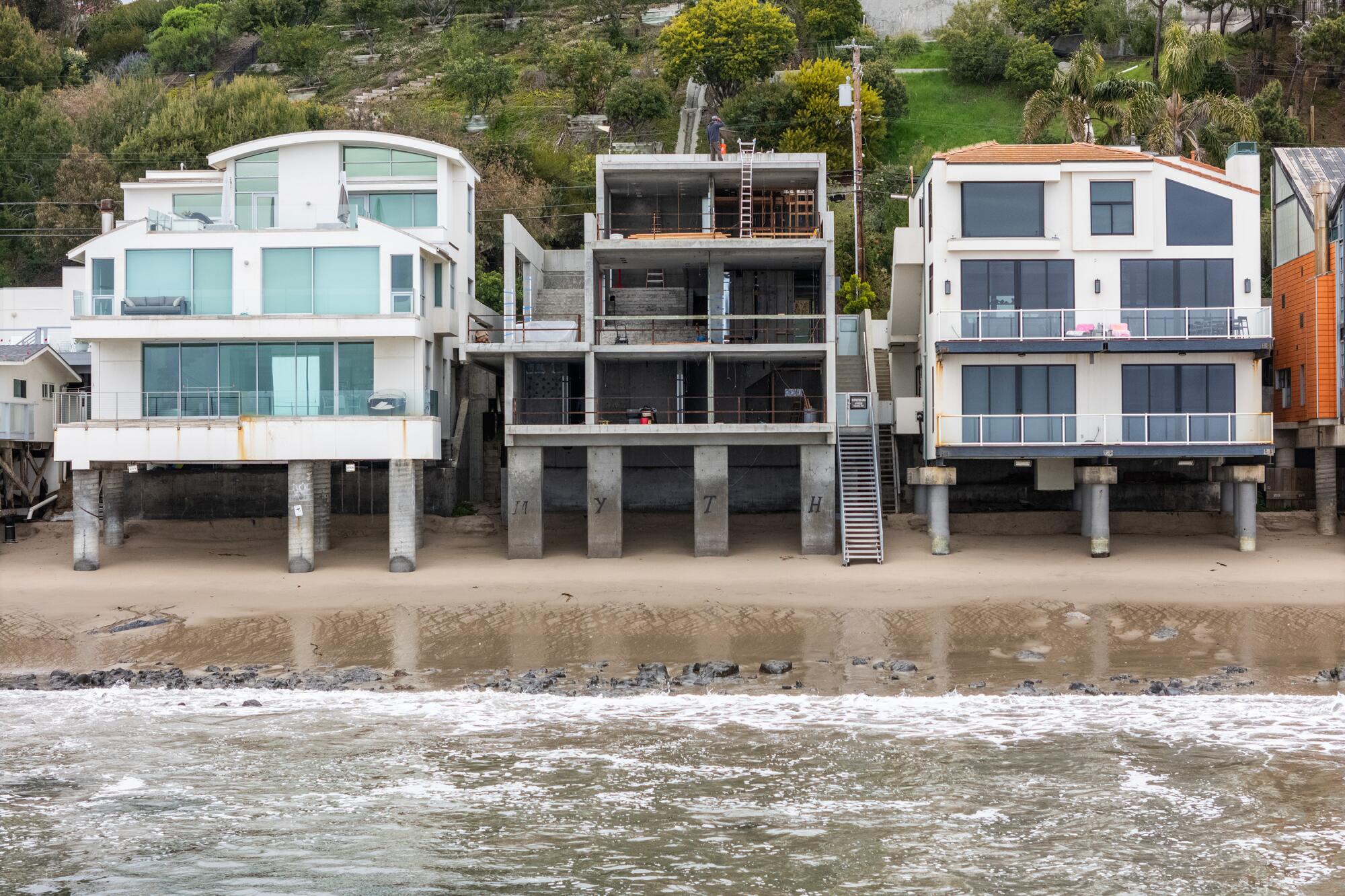
Stripped to its core: The exterior of Kanye West’s Former Malibu home reveals extensive renovations and the aftermath of his bold redesigns.
Lost Brand Partnerships and Licensing
The Adidas termination triggered a wider commercial collapse.
Balenciaga ended its collaboration with West.
Gap exited the Yeezy Gap partnership entirely and later disclosed that it had written off hundreds of millions in inventory and associated costs.
Major retailers removed Yeezy products.
CAA and other representation partners severed ties.
While the accounting losses appeared on corporate balance sheets rather than West’s personal statements, the financial reality for him was the same. Multiple future licensing streams were eliminated with no comparable replacements announced in the years since.
Crucially, licensing income is not easily replaced. Deals of this scale require years of brand trust, operational infrastructure, and institutional risk tolerance. Since 2022, no global partner has stepped forward to rebuild Yeezy at anything close to its former scale.
Cancelled Performances and Touring Revenue
Live performance historically represented one of West’s largest direct cash inflows. Prior to 2022, his tours regularly grossed tens of millions per run, with net income depending on production and staging costs.
Following his remarks, the live economy effectively closed.
. Festival bookings were cancelled or not renewed.
. Corporate and private performances ceased.
. International promoters distanced themselves.
. Insurance underwriting for large scale tours became increasingly difficult.
No single cancelled tour figure was formally disclosed, but industry reporting consistently noted that West became unbookable at scale. The loss here is best understood not as a one time hit, but as the disappearance of recurring earning capacity. An artist of West’s stature would typically expect eight figure touring income during active cycles. Since 2022, that revenue stream has largely stalled.
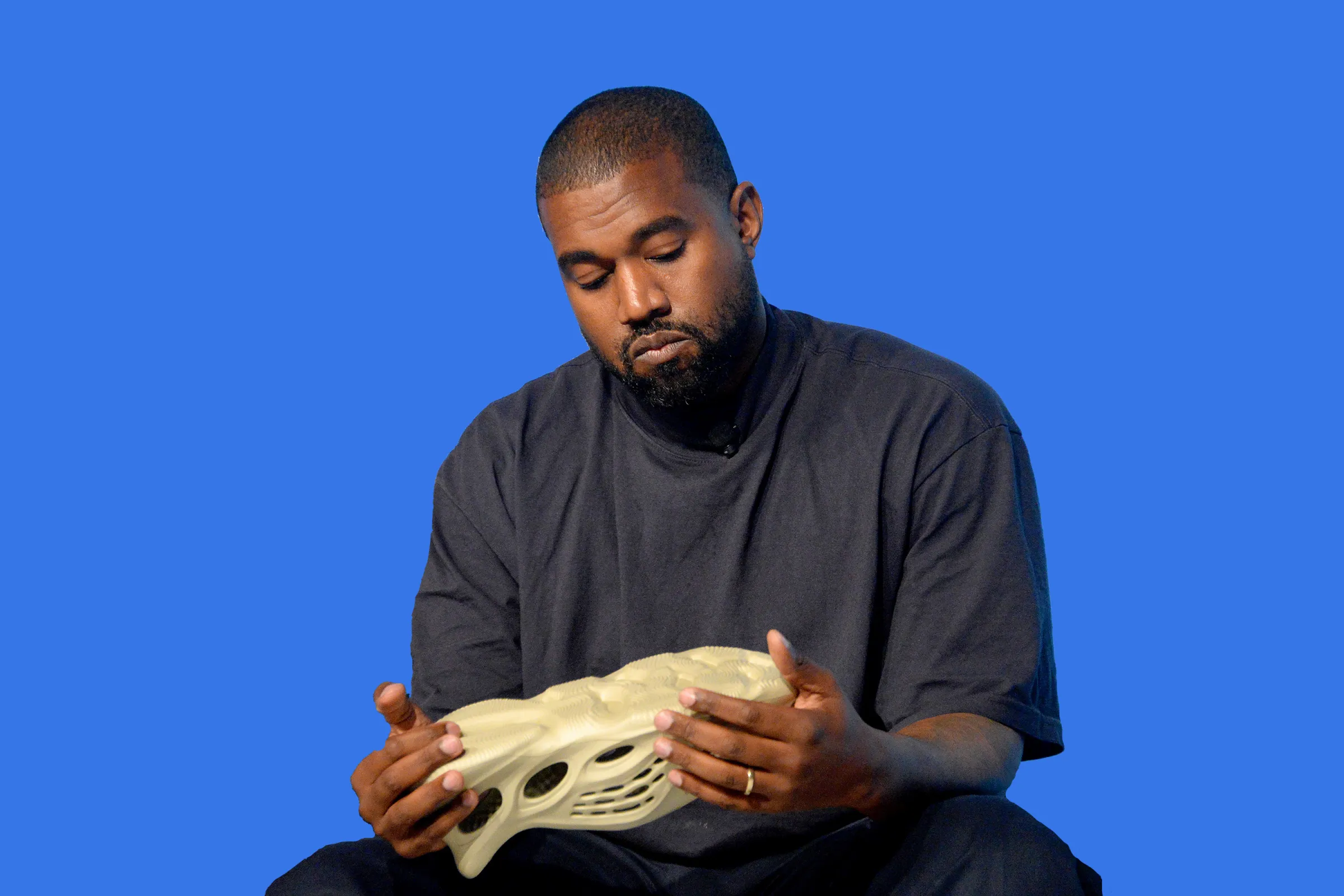
Kanye West reflects on the financial and reputational losses from the collapse of the Yeezy brand after public controversies.
Music Royalties: What Was Not Lost
Not all income streams collapsed.
West continues to earn music royalties from streaming, songwriting publishing, and back catalogue sales. These revenues are protected by copyright law and are not dependent on brand partnerships or public approval.
However, their scale is frequently misunderstood. Public estimates suggest West’s annual music royalties fall in the single digit millions, not hundreds of millions. They provide baseline income and financial continuity, but they do not replace the licensing machine that once defined his wealth.
Music now represents stability, not expansion.
Legal and Operational Costs
In addition to lost revenue, West has faced ongoing financial drag through legal and operational expenses.
Public reporting has documented legal settlements, court ordered payments, restructuring costs, and professional fees associated with winding down partnerships and defending litigation. In one employment related case alone, West was ordered to pay more than $76,000 in legal fees, with additional disputes unresolved.
While modest relative to billion dollar losses, these costs contribute to cash outflow rather than growth, further limiting recovery momentum.
Control: Who Owns What Now?
Today, Kanye West retains ownership of the Yeezy brand intellectual property and his music catalogue. There is no evidence of a trust seizure, estate transfer, or third party takeover of his core assets.
Control now sits across personally owned IP, privately held entities linked to Yeezy, and ongoing royalty streams. What he no longer controls is institutional distribution, which was the multiplier behind his peak wealth.
Ownership without infrastructure limits scale. The assets still exist, but the economic velocity that once transformed them into billion dollar value has slowed dramatically.
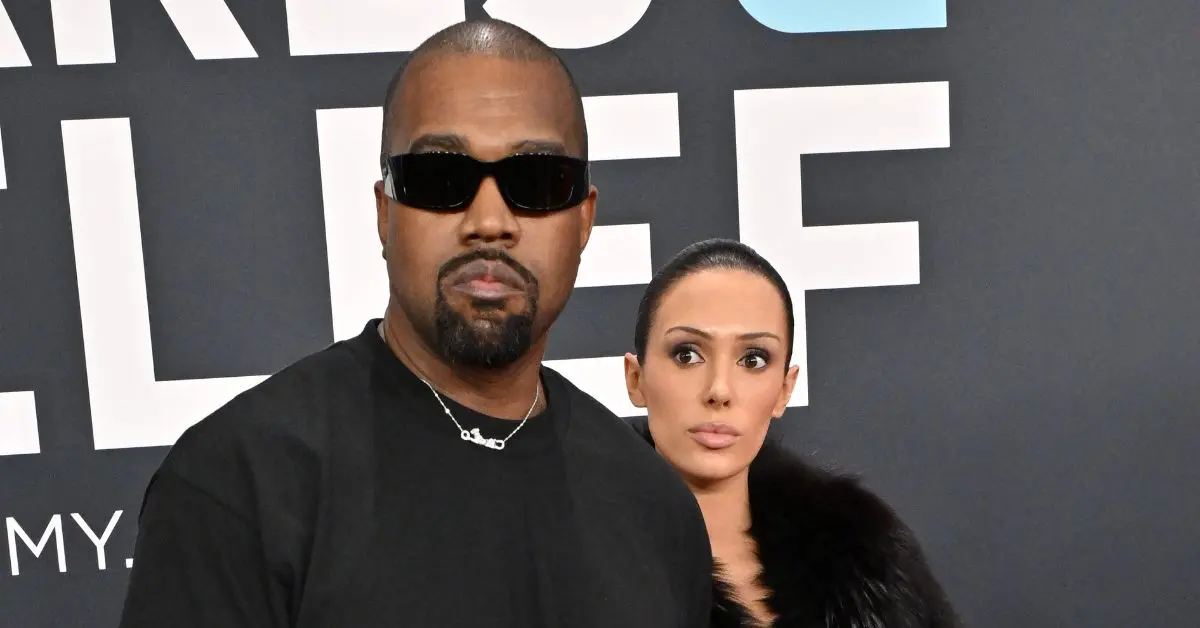
Bianca Censori stands just behind Kanye West on the red carpet, her stern expression fueling whispers about control, power, and the financial tension unfolding behind the scenes.
The Current Picture: What His Wealth Represents Today
Financially, Kanye West’s situation illustrates how brand dependent wealth can evaporate when licensing partners withdraw.
What he lost was not only money already earned, but future value that had been priced into his net worth: recurring Yeezy royalties worth hundreds of millions annually, a multi billion dollar brand valuation tied to Adidas, global touring income, and ongoing licensing optionality across fashion and retail.
What remains is a narrower, slower moving income base anchored in music royalties and privately controlled ventures with limited reach. The destruction of value was not theoretical. It was documented in corporate filings, valuation revisions, and terminated contracts.
Conclusion: What Kanye West Is Worth Now and What It Cost Him
From a financial perspective, the end result is stark. Based on publicly revised valuations from Forbes and contemporaneous reporting, Kanye West’s current net worth is generally estimated at approximately $400 million, primarily consisting of music publishing and recording royalties, personally owned intellectual property, and privately held business interests with limited scale. This represents a dramatic contraction from the $1.8 billion to $2 billion valuations assigned prior to the collapse of the Adidas Yeezy partnership.
Measured conservatively, the controversy cost West at least $1.5 billion in net worth destruction, reflecting the loss of Yeezy licensing income, the elimination of future brand valuation, and the removal of institutional distribution that once powered his wealth. That figure does not fully capture forgone future earnings from cancelled tours, abandoned licensing opportunities, and the long-term erosion of monetisation optionality, which would likely push the true economic cost materially higher over time.
West still earns money and retains ownership of valuable intellectual property. What he no longer possesses is the industrial scale required to convert that IP into billion-dollar outcomes. The financial lesson is unambiguous. When wealth is concentrated in licensing partnerships, value exists only as long as counterparties are willing to participate. Once those relationships end, the revenue engine stops immediately, and the gap between what remains and what once existed is measured not in millions, but in billions.
People Also Ask: Financial Implications of Kanye West’s Brand Collapse
How have West’s business ventures outside Yeezy been affected?
Beyond Yeezy, West had smaller investments in areas like music technology startups, media projects, and fashion collaborations. While none of these ventures generated revenue on the scale of Adidas Yeezy, the reputational fallout has limited their growth potential and made new investors wary, reducing future expansion opportunities and potential equity gains.
Can Kanye still leverage his IP for new revenue streams?
Yes. West retains ownership of his music catalog, trademarks, and creative IP. While institutional partnerships like Adidas are no longer feasible at scale, he can still monetise through direct-to-consumer product lines, licensing smaller collaborations, or leveraging streaming, though these avenues yield significantly lower annual income than pre-2022 projections.
Did insurance or contractual protections mitigate financial losses?
Some of West’s contracts likely contained indemnities and insurance provisions covering unforeseen disruptions. However, the public nature of the controversies and reputational clauses in licensing agreements meant that most protections did not offset the scale of lost income, leaving him fully exposed to revenue collapse in Yeezy and related partnerships.