Louvre Crown Heist Triggers Millions in Damage, Insurance Costs, and Security Fallout
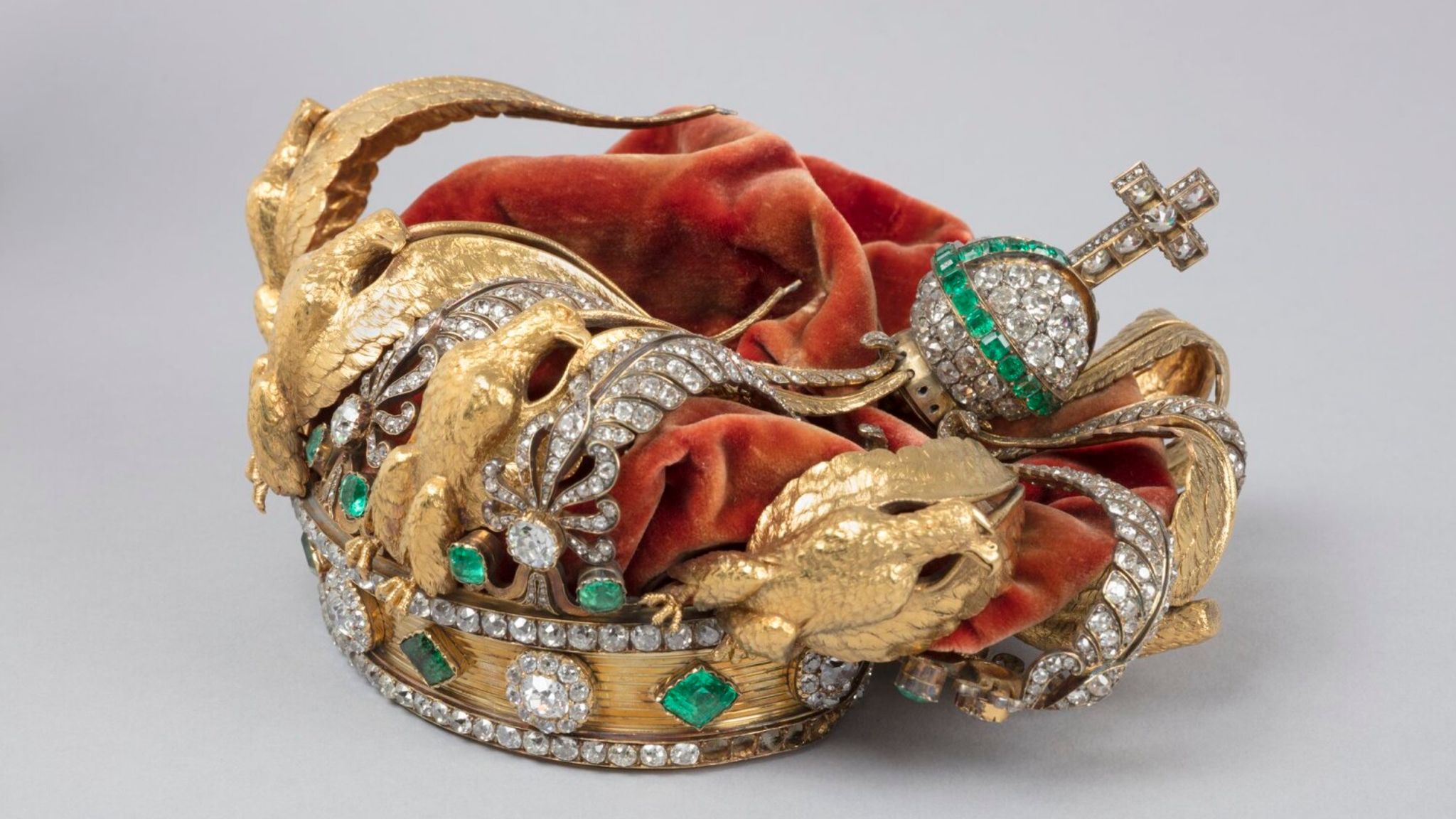
The crushed gold crown of Empress Eugénie, abandoned by thieves during last October’s audacious robbery at the Louvre Museum, can be repaired. The damage is real but manageable. The cost of that repair, however, is not the story.
What now matters is the financial exposure triggered by the heist — the insurance liability, security overhaul, and long-term public cost of a failure that allowed one of France’s most valuable artefacts to be forced through a display case and dropped during an escape.
Museum officials have confirmed the 19th-century diadem remains largely intact. All 56 emeralds survived, along with 1,344 of its 1,354 diamonds. One of the crown’s eight golden eagles is still missing. Conservators say the gold can be reshaped and the structure stabilised without full reconstruction.
That means the object survives. The balance sheet does not.
What “Priceless” Really Means in Financial Terms
The crown cannot be sold, but it is not unpriced. For insurance and state accounting purposes, it carries a substantial financial valuation. The wider haul stolen in the raid was estimated at around €88 million, placing the Eugénie crown among the most financially significant objects in France’s national collections.
That valuation governs everything that follows — insurance claims, restoration budgets, risk reassessments, and future premiums. Even stripped of its history, the raw materials alone — gold, emeralds, and diamonds — represent millions of euros.
Once damage occurs, cultural value becomes secondary to financial exposure.
Restoration Is Cheap. The Fallout Is Not.
Restoring the crown itself is expected to cost €40,000 to €50,000, a relatively modest figure because most original materials remain. But that visible repair is only the smallest line item.
The real costs are layered and ongoing:
• insurance renegotiations and higher premiums
• emergency security upgrades
• forensic investigations
• gallery closures and lost visitor revenue
• permanent infrastructure changes inside a historic building
For a state-owned museum, those costs ultimately flow back to public funding.
The Missing Jewels and the Vanishing Value Problem
Seven other historic jewels stolen in the same raid — including a diamond tiara and multiple necklaces — remain missing.
These objects cannot realistically be resold intact. Their value lies in dismantling. Diamonds are removed and recut. Emeralds are reset. Gold is melted down. Once separated, the materials lose their identity, making recovery almost impossible.
From a financial perspective, this is the most permanent loss. Even if fragments resurface years later, the original objects — and their insured cultural value — are effectively gone.
How the Theft Was Possible
The robbery exploited a structural problem museums worldwide face: protecting ultra-high-value assets inside buildings designed centuries before modern security threats.
The thieves used a stolen mechanical lift to access a balcony, breached reinforced display cases with power tools, neutralised guards quickly, and escaped within minutes. The weakness was not a single guard or camera, but the cost and complexity of retrofitting historic architecture to modern threat levels.
That constraint is expensive — and now unavoidable.
A Repaired Crown, a Permanent Cost
When Empress Eugénie’s crown returns to display, visitors may see little sign of damage. The gold will gleam. The gems will sit securely. The case will look unchanged.
What will not be visible is the real cost of the failure: higher insurance exposure, heavier security spending, and long-term public funding commitments now baked into the museum’s future.
The crown can be repaired.
The financial, institutional, and reputational bill is still being paid.