By Adam Arnold, January 15, 2026 | Celebrity Finance
Mickey Rourke is back in the headlines in early 2026—but not for a major studio comeback or a red-carpet return. Instead, renewed scrutiny around the actor’s finances has been triggered by reports that Rourke, 73, was offered just $1,000 for a cameo appearance in the upcoming low-budget spin-off Scarface Resurrection. The offer, for a brief on-screen appearance lasting roughly two minutes, has ignited debate across Hollywood about how quickly prestige, leverage, and earning power can evaporate—even for once-bankable stars.
The timing is not coincidental. The reported cameo offer surfaced just as court filings revealed Rourke is facing mounting personal financial pressure, including alleged rent arrears on his Los Angeles home. Together, the two developments have reframed the conversation around Rourke—not as a faded icon, but as a working actor navigating the unforgiving economics of modern independent filmmaking.
Industry sources familiar with Scarface Resurrection stress that the $1,000 figure reflects budgetary reality rather than disrespect. The film is being produced on a compressed schedule with limited financing, aiming for an April 2026 release. Still, for an actor whose films have generated more than $1 billion in global box office revenue, the offer underscores how dramatically the market can recalibrate around aging talent.
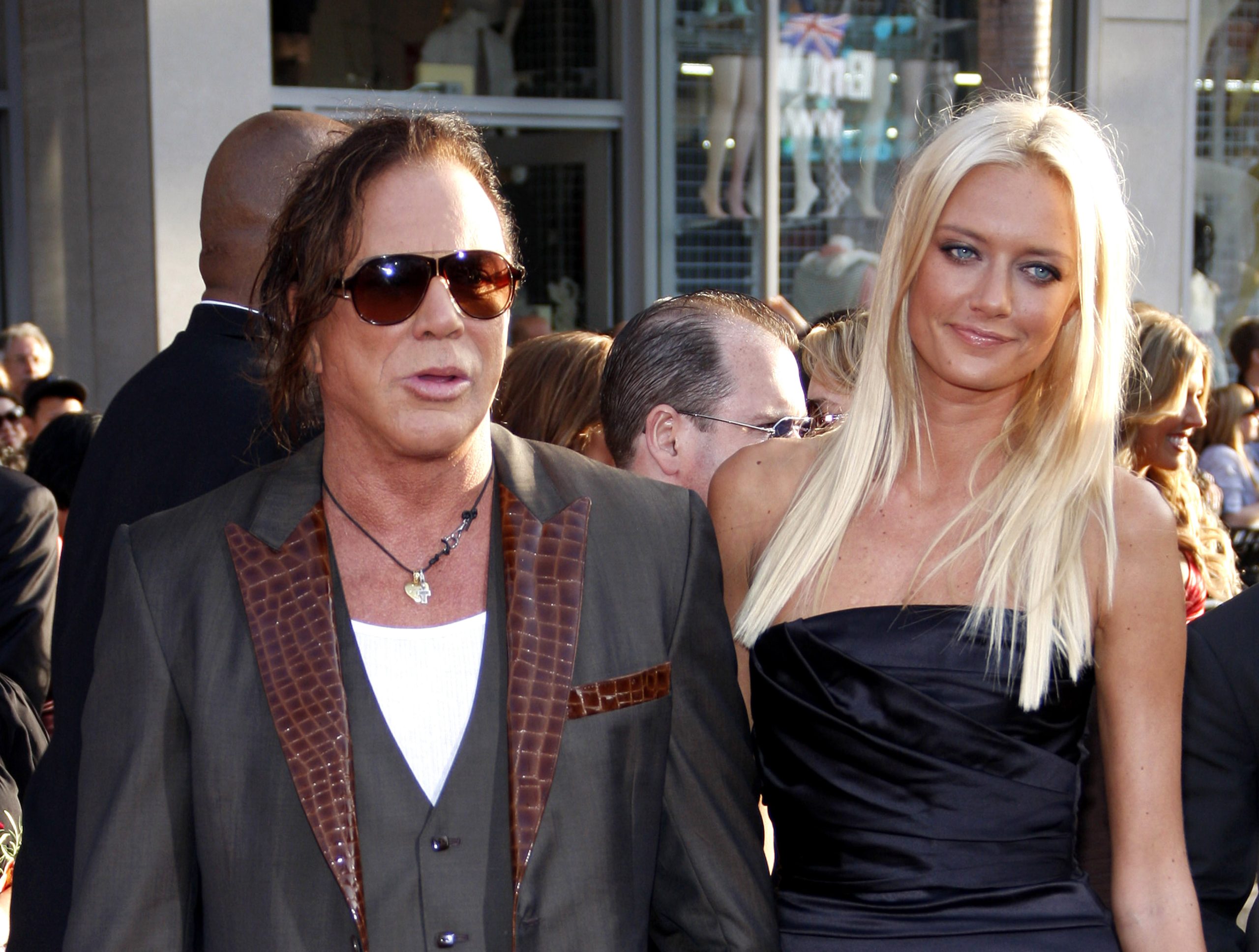
Mickey Rourke and Anastassija step out in Hollywood, capturing attention amid a sea of paparazzi at a glamorous star-studded event.
Why Mickey Rourke’s Finances Are Under Renewed Scrutiny in 2026
The cameo story gained traction because it arrived alongside public records detailing Rourke’s current housing dispute. According to court filings, the actor is allegedly behind on rent for his Spanish-style Beverly Grove bungalow, with arrears totaling $59,100 after failing to comply with a three-day notice to pay or vacate.
Rourke reportedly leased the property earlier in 2025 at $5,200 per month, with rent later rising to $7,000, significantly increasing his fixed monthly obligations. For an actor whose income now fluctuates between independent film paydays, reality TV appearances, and short-term projects, the jump in housing costs appears to have added pressure at an already precarious moment.
The situation escalated publicly after a GoFundMe campaign appeared online seeking $100,000 to help Rourke avoid eviction. The fundraiser quickly attracted attention—and controversy—before Rourke forcefully distanced himself from it.
Rourke Pushes Back: “Humiliating” and Unwanted
In a candid Instagram statement, Rourke made it clear that the fundraiser was not authorized and did not reflect his wishes. Calling the campaign “humiliating,” he urged supporters to request refunds and emphasized that he prefers to manage personal challenges privately.
The message resonated with long-time fans because it echoed a familiar theme in Rourke’s life: pride, independence, and resistance to pity. The actor acknowledged the difficulty of his situation without framing himself as a victim, instead stressing that he would rely on friends, work, or his own resources rather than public donations.
That response reframed the narrative. Rather than a fallen star seeking rescue, Rourke appeared as a veteran actor confronting financial instability head-on—an increasingly common reality in an industry that offers little safety net once peak earning years pass.

The Los Angeles rental property at the centre of Mickey Rourke’s eviction dispute, which sparked online claims he was homeless or broke — claims the actor has strongly denied.
A Career Defined by Peaks, Pauses, and Reinvention
Mickey Rourke’s financial story cannot be separated from his unconventional career arc. After breaking out in the 1980s with acclaimed performances in Rumble Fish, The Pope of Greenwich Village, and Barfly, Rourke was widely regarded as one of Hollywood’s most compelling screen presences—an actor capable of combining vulnerability with menace.
Yet at the height of his momentum, Rourke stepped away from acting in the early 1990s to pursue professional boxing. The decision, while personally meaningful, proved financially devastating. He later admitted to losing most of his earnings during that period, forcing him to rebuild his career from near-bankruptcy.
The mid-2000s brought redemption. His performances in Sin City and, most notably, The Wrestler (2008)—which earned him an Academy Award nomination—re-established his credibility and earning power. But the resurgence proved uneven. While high-profile roles followed, reports of difficult working relationships, legal disputes, and inconsistent output limited his long-term financial recovery.
How Mickey Rourke Is Still Working—Even as Income Becomes Irregular
Despite the headlines, Rourke has not withdrawn from acting. In recent years, he has appeared in independent films such as Night Walk (2025), participated in reality television projects including Celebrity Big Brother, and continued to pursue character-driven roles that align with his personal interests rather than studio expectations.
This working-actor model—frequent smaller paydays rather than a few massive contracts—offers creative freedom but little financial predictability. It also explains how an actor with a celebrated résumé can find himself negotiating four-figure offers while still remaining professionally active.
Top 5 Highest-Grossing Mickey Rourke Films of All Time
While current finances dominate the news cycle, Rourke’s legacy remains commercially significant. Collectively, his films have generated over $1 billion worldwide, underscoring his historical box office value.
Iron Man 2 (2010) — $621 million
Rourke’s Ivan Vanko, better known as Whiplash, remains one of the Marvel Cinematic Universe’s most memorable antagonists, combining intellect, rage, and emotional depth.
The Expendables (2010) — $268 million
As Tool, Rourke injected emotional weight into the ensemble action franchise, delivering one of the film’s most grounded performances.
Immortals (2011) — $211 million
His portrayal of King Hyperion showcased Rourke’s ability to dominate the screen as a mythic villain with psychological complexity.
Sin City (2005) — $158 million
As Marv, Rourke delivered a career-defining performance that reintroduced him to a new generation of audiences.
Man on Fire (2004) — $130 million
In a supporting role opposite Denzel Washington, Rourke added gravitas and authenticity that elevated the film’s emotional stakes.
Why the $1,000 Scarface Cameo Has Struck a Nerve
The Scarface cameo offer resonates because it exposes the fragile economics beneath Hollywood mythology. It highlights how legacy does not guarantee leverage, how independent productions operate under brutal constraints, and how aging actors often exist outside the safety nets enjoyed by younger, more marketable stars.
It also reflects a broader industry shift. As studios consolidate spending around franchise leads and digital metrics dictate casting decisions, veteran actors increasingly find themselves competing in a fragmented marketplace where prestige does not always translate into pay.
For fans, the story is sobering. For industry insiders, it is familiar.
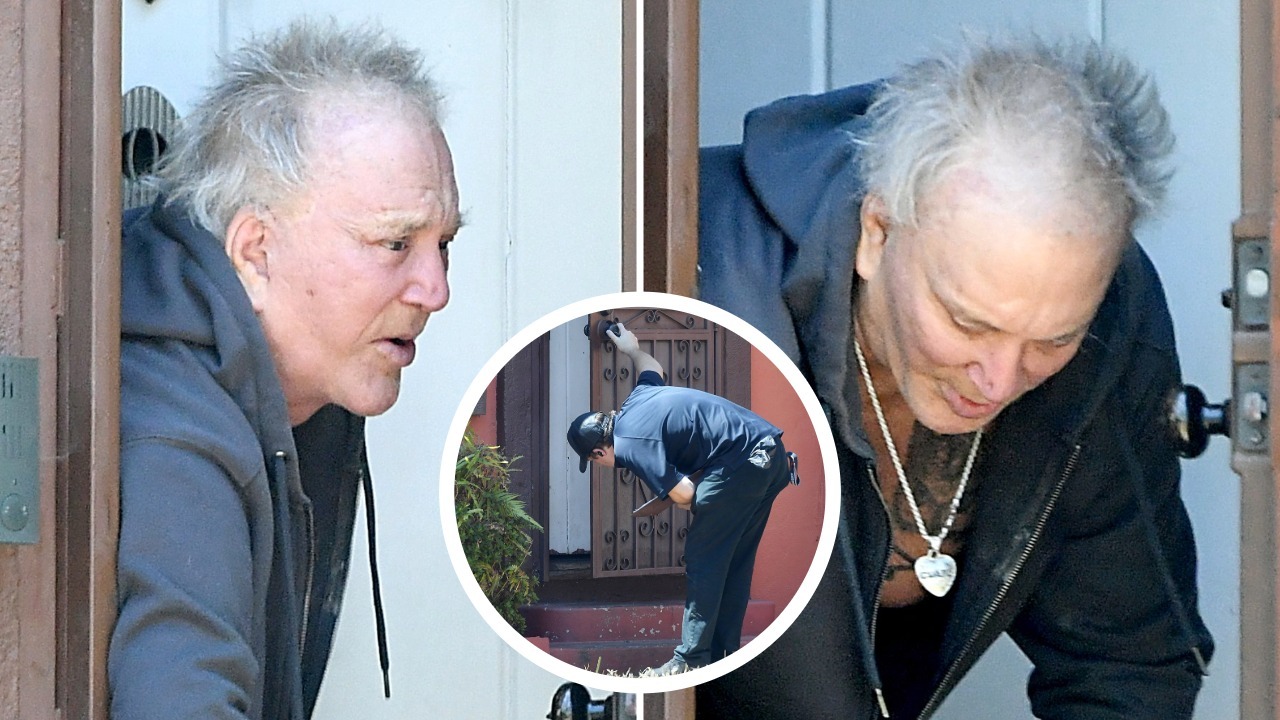
Mickey Rourke, seen in a recent appearance, has spoken out forcefully against a GoFundMe campaign launched in his name, rejecting claims he is homeless or broke amid eviction fears.
Digging Deeper: Common Questions About Mickey Rourke
What is Mickey Rourke’s net worth in 2026?
Mickey Rourke’s net worth is estimated at $10 million in 2026. While substantial, that figure reflects a lifetime of fluctuating income, past losses, and periods of reduced earning power rather than continuous wealth accumulation.
Has Mickey Rourke faced financial hardship before?
Yes. Rourke has openly discussed near-bankruptcy in the 1990s after leaving acting for boxing, as well as subsequent financial setbacks tied to career gaps and personal challenges.
Is Mickey Rourke homeless?
No. While facing an eviction notice, Rourke has not been rendered homeless and has reportedly managed the situation privately.
Why did Mickey Rourke reject the GoFundMe campaign?
Rourke described the fundraiser as humiliating and unauthorized, emphasizing personal pride and a desire to resolve financial matters without public charity.
Is Mickey Rourke still acting in 2026?
Yes. He continues to work in independent films and television projects, focusing on roles that align with his interests rather than commercial scale.
The Bottom Line
The $1,000 Scarface cameo offer is not just a startling number—it is a snapshot of Hollywood’s unforgiving reality. Mickey Rourke’s story illustrates how quickly fortunes can shift, how fragile creative careers can be, and how resilience often matters more than reputation.
At 73, Rourke remains defiant, working, and self-directed. The industry may no longer reward him as it once did, but his refusal to trade dignity for sympathy ensures that his story remains compelling—not as a cautionary tale, but as a portrait of survival on his own terms.