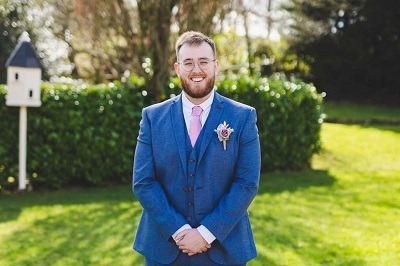
With Netflix's new Take That documentary peeling back the curtain on the band's explosive rise, bitter splits, and eventual reunion, Robbie Williams' story feels especially compelling. The singer who left Take That in 1995 to forge one of the most successful solo careers in British pop history now sits on an estimated net worth of $300 million.
This fortune was built not just on stadium-filling hits, but on savvy business moves, property flips, and a relentless drive to stay relevant. As viewers binge the docu-series in early 2026, Williams’ financial footprint—and the resilience behind it—has never felt more vivid.
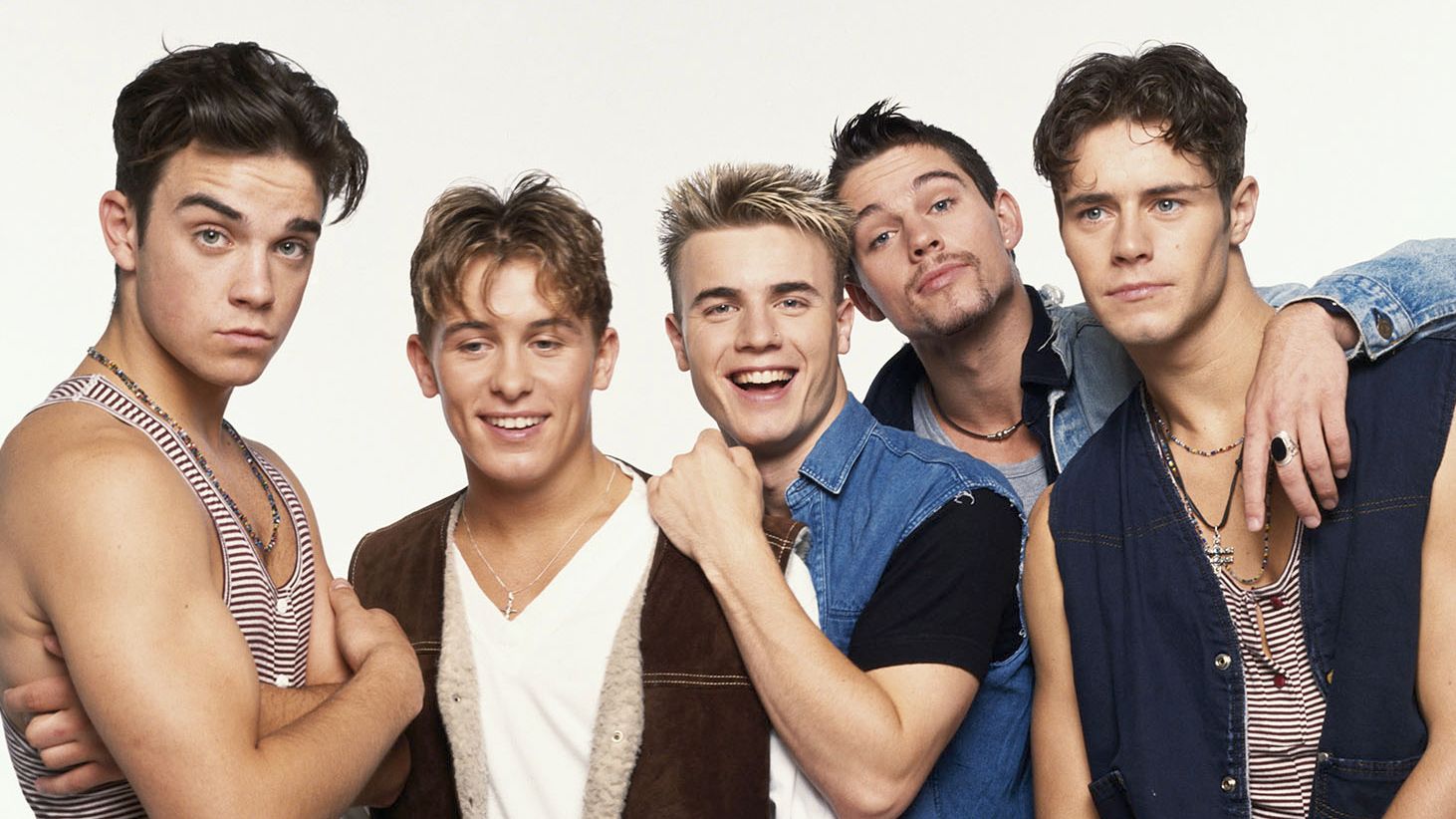
Take That in their prime, dominating the 1990s charts with hits like Back for Good and captivating a generation of fans.
Early Life and Career Foundations
Robbie Williams was born Robert Peter Williams on February 13, 1974, in Stoke-on-Trent, England. Growing up in a working-class family, he showed early flair for performing, landing roles in local theatre and even a brief stint on children's television. At just 16, he auditioned for Take That, joining the group in 1990.
The band became a 1990s phenomenon, churning out hits and teen hysteria across the UK. But internal tensions simmered. By 1995, Williams left amid public friction, a messy exit that shocked fans and made headlines. That departure became the launchpad for his solo career. Few could have predicted that the boy-band rebel would eventually outpace his former bandmates in fame and fortune.
Career Breakthrough: Solo Success and Hit Albums
The real money started rolling in during Robbie Williams’ solo career. His 1997 debut album Life thru a Lens took time to catch fire, but the single "Angels" turned him into a household name. Follow-ups like I've Been Expecting You (1998) and Sing When You're Winning (2000) delivered hit after hit, including "Millennium," "Rock DJ," and "Supreme."
The pinnacle came in 2002 with an £80 million ($150 million at the time) deal with EMI, the largest advance ever for a British artist at that point. Albums like Escapology (2002) and Intensive Care (2005) kept him at the top of the charts. Tours shattered records, with the 2006 Close Encounters tour famously selling 1.6 million tickets in a single day. Add in royalties from over 80 million records sold worldwide, and the foundation of his fortune was firmly in place.
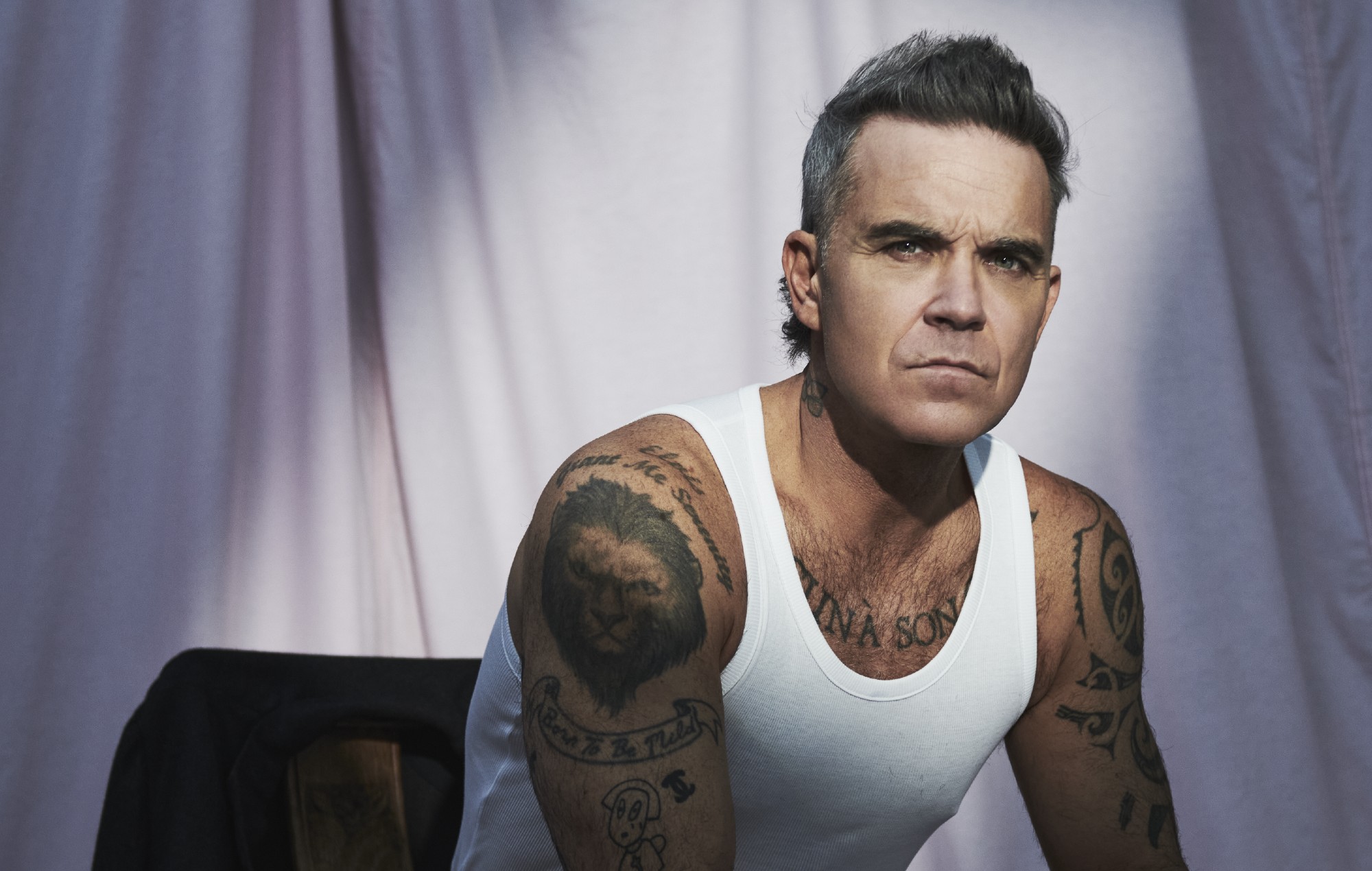
Robbie Williams exudes classic charm in a white vest, captured in a striking professional photoshoot highlighting his enduring star power.
Estimated Career Earnings Timeline
1990s Take That Era: Modest but formative earnings from group albums and tours.
1997–2002 Solo Breakthrough: "Angels" and follow-up albums generate tens of millions in sales and royalties.
2002 EMI Contract: £80 million covers albums, tours, and merchandising.
2005–2010s Peak Touring Years: Close Encounters tour and other international tours break records.
2010 Take That Reunion: Adds another lucrative chapter.
2018 TV & Other Ventures: £10 million earned from judging The X Factor season.
Income and Asset Sources
| Income / Asset Source | Estimated Verified Value (USD) |
|---|---|
| Music Career (Albums, Royalties, Major Contracts) | $200 million |
| Live Tours and Performances | $50 million |
| Real Estate Investments (Equity & Profits) | $40 million |
| Endorsements, TV Appearances, Other Ventures | $10 million |
| Total | $300 million |
Note: Figures are based on public reporting and industry norms; exact numbers remain private.
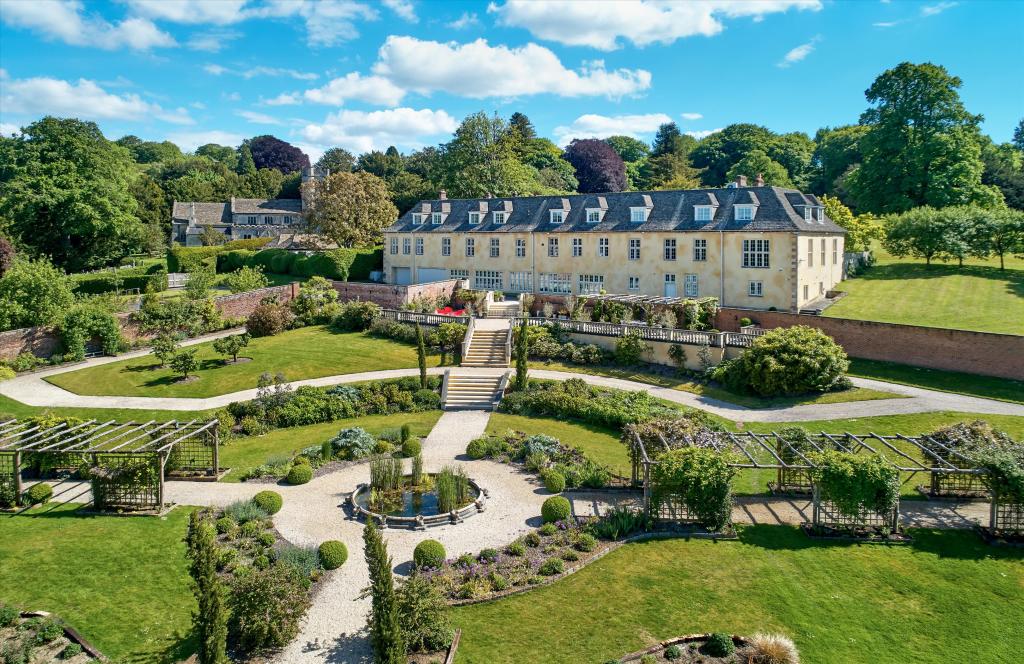
The luxurious countryside estate of Robbie Williams, highlighting the privacy and elegance of his property.
Real Estate and Major Assets
Property has been one of Williams’ smartest plays. He bought a Beverly Hills compound in 2015 for $32 million and sold it to Drake in 2022 for $75 million, pocketing a major profit. He later acquired a Holmby Hills mansion for $50 million. Other sales include a Wiltshire estate (£6.75 million) and a Swiss home (£24 million) in 2021.
Current holdings in early 2026 include a Beverly Hills property valued at approximately $50 million, a West London home purchased for £17.5 million, and a $40 million waterfront estate in Miami, recently reported in 2025. Real estate remains a cornerstone of Williams’ wealth, providing stability and ongoing value outside his music career.
Business Ventures and Brand Endorsements
Beyond music, Williams has dabbled in investments and endorsements. He bought a £260,000 stake in Port Vale Football Club in 2006, becoming the majority shareholder, though the club eventually entered administration. He has represented brands like Pepsi, Felix cat food, Aldi, and Cornetto, and served as FIFA Music Ambassador in 2025. These deals provide steady income while avoiding the volatility of touring and record sales.
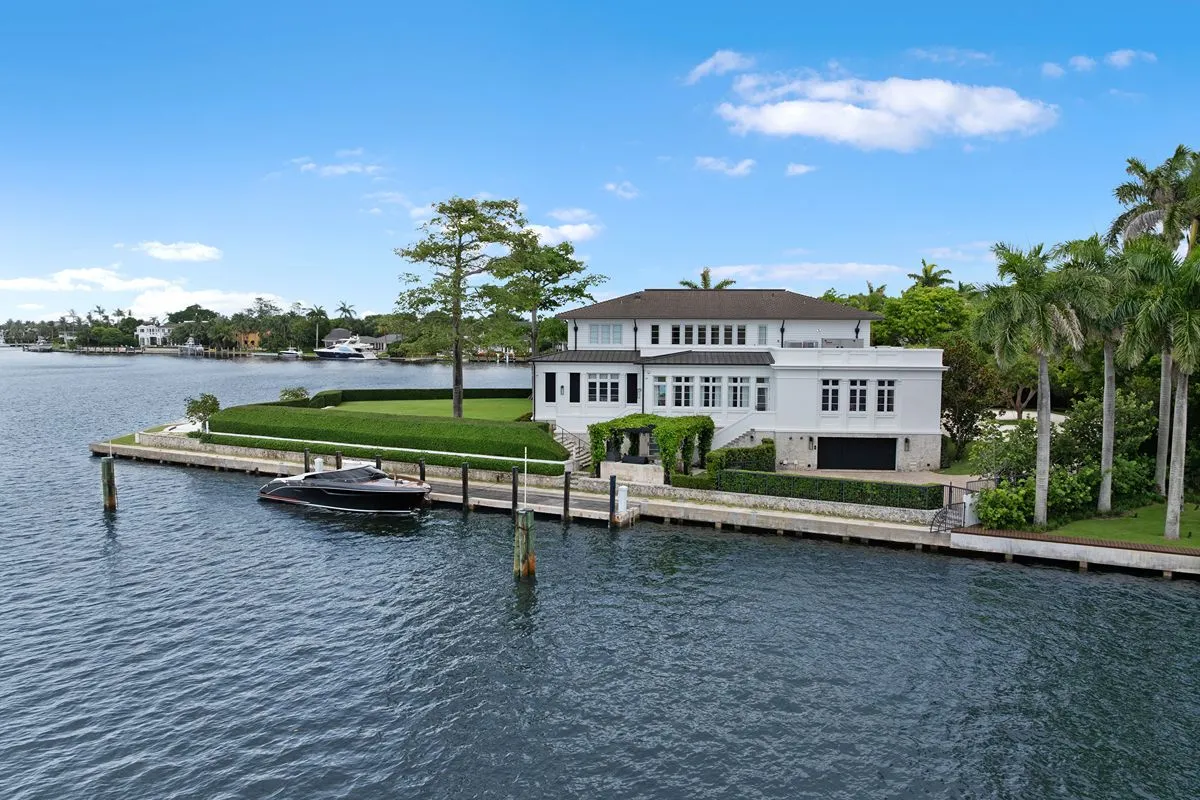
Robbie Williams’ Malibu residence showcases breathtaking oceanfront living and contemporary design.
Legal, Health, and Financial Turning Points
Williams has been candid about his struggles with addiction and mental health in the late '90s and early 2000s. However, no major lawsuits or financial scandals have affected his wealth. His 1995 departure from Take That was messy but financially liberating, and the 2010 reconciliation proved both personally and professionally rewarding.
Estate Planning and Inheritance
Williams, 51, remains private about his estate planning. Married to Ayda Field since 2010 and father to four children, his estate likely employs UK-based trusts or similar international structures to manage cross-border assets. While inheritance planning is undisclosed, it would typically benefit his immediate family under UK law.
Philanthropy and Social Impact
Williams has long been a UNICEF ambassador and co-founder of Soccer Aid, which has raised over £121 million for children’s causes. In 2024 alone, he donated £250,000, and he once gave £1 million from a private performance. His charitable work highlights a dedication to impact beyond music, especially for children.
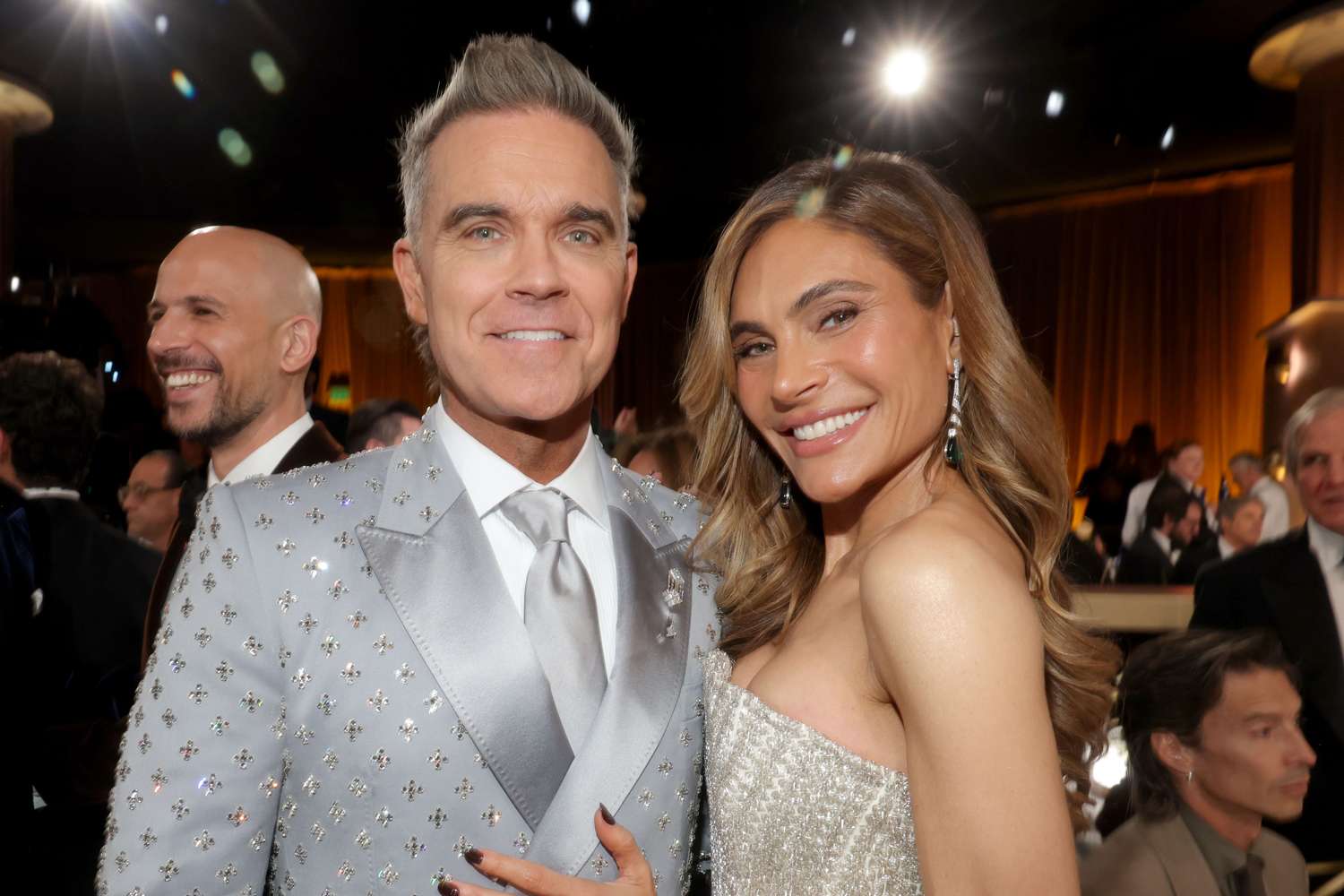
Robbie Williams and Ayda Field turn heads in glamorous style at a major awards show, showcasing their star-studded presence.
Legacy and Public Reception
From chaotic Take That days to sold-out stadiums and now a Netflix documentary, Williams remains a polarizing yet beloved figure—cheeky, vulnerable, and undeniably talented. The documentary has renewed appreciation for his journey, showing both his personal resilience and the financial empire he built from sheer talent and determination.
Frequently Asked Questions About Robbie Williams’ Wealth
What is Robbie Williams’ net worth in 2026?
Robbie Williams’ net worth is estimated at $300 million, stemming from music royalties, tours, real estate, and brand deals.
What was his highest-earning project?
The 2002 £80 million EMI deal, combined with his mid-2000s record-breaking tours, represents the peak earning period.
Does Robbie Williams own real estate?
Yes, including Beverly Hills ($50 million), West London (£17.5 million), and a Miami waterfront estate ($40 million).
Has legal or personal controversy affected his wealth?
No, personal struggles were public but did not cause financial loss.
Who will inherit his estate?
Details remain private, but likely his immediate family: Ayda Field and their four children.
How is his estate managed internationally?
UK trusts and estate planning structures likely cover both UK and US holdings to manage taxes and cross-border ownership.
Final Thoughts
Robbie Williams turned rebellion into a lasting empire—one that continues to resonate with every stadium performance, record sale, and Netflix documentary binge. His journey proves that creative drive, careful investing, and resilience can transform youthful chaos into lasting wealth and cultural impact.