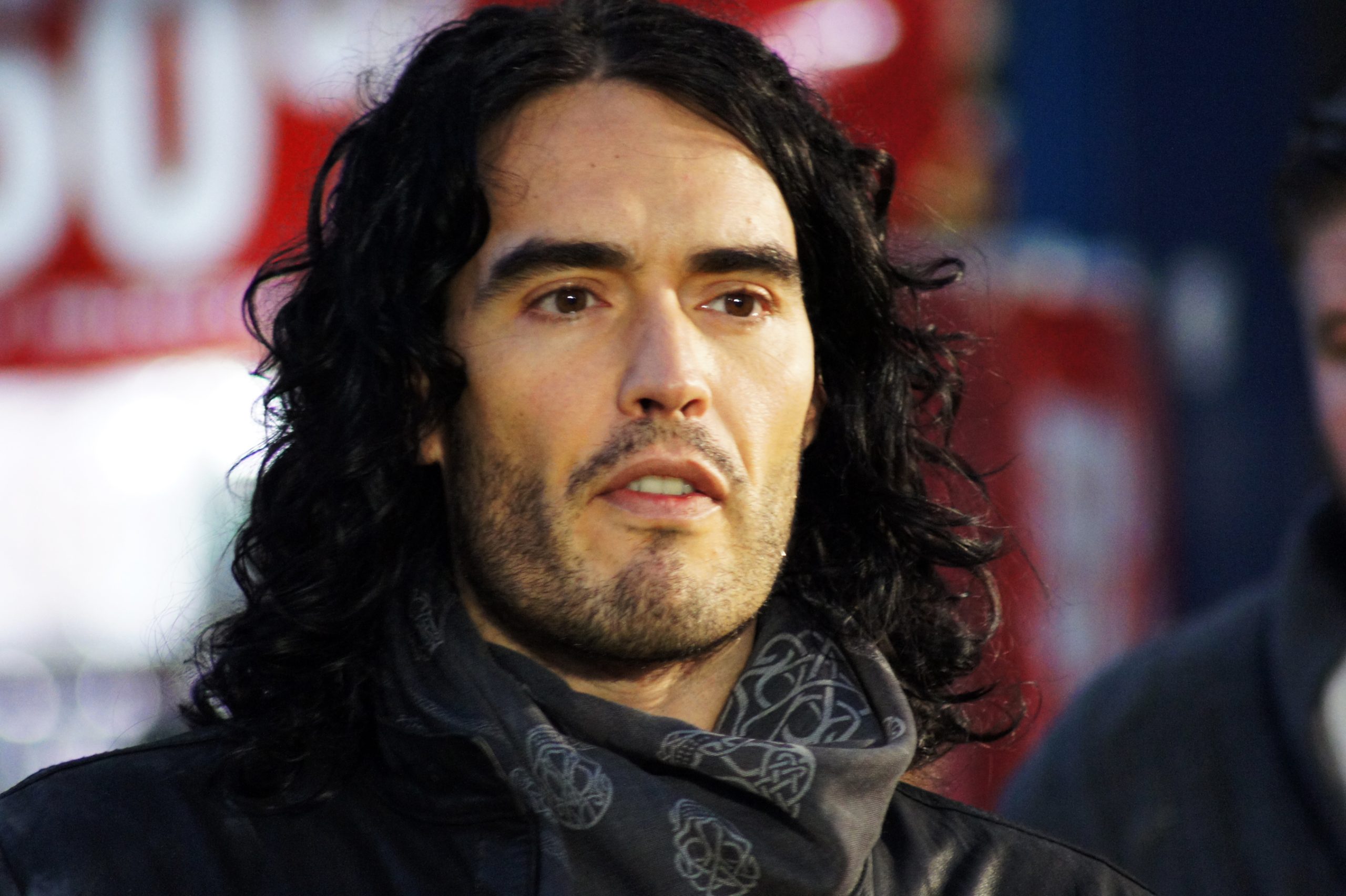
Russell Brand has been granted bail after being accused of two further sexual offences, intensifying one of the most serious and closely watched legal cases involving a British public figure in recent years.
The 50-year-old actor and comedian appeared via video link from the United States for a brief hearing at Westminster Magistrates’ Court on Monday afternoon. Wearing a partially unbuttoned denim shirt, Brand spoke only to confirm his name and date of birth during the six-minute proceeding before bail was granted.
The latest charges include one count of rape and one count of sexual assault, both alleged to have taken place in London in 2009, according to court documents. They significantly expand the scope of the case already hanging over Brand and raise new questions about his legal future, financial stability, and whether he could ultimately face a prison sentence.
Brand is due to appear next at Southwark Crown Court on 17 February, where the cases will move further through the criminal justice process.
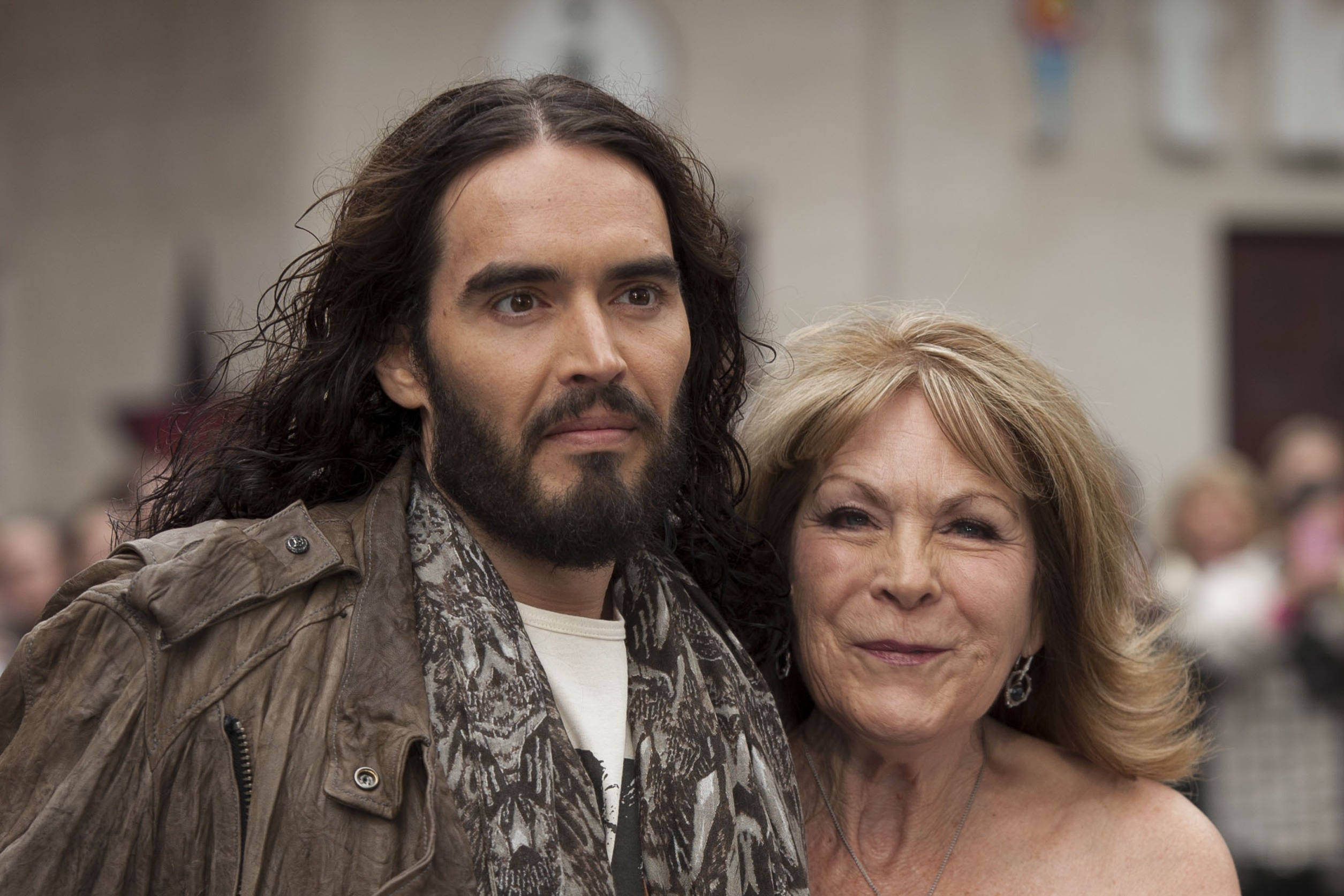
Russell Brand pictured with his mother during a casual outing, years before the sexual offence allegations surfaced, reflecting his private life away from the spotlight.
How Many Charges Is Russell Brand Facing Now?
With the addition of the latest allegations, Russell Brand is now facing a total of seven criminal charges. These include three counts of rape, three counts of sexual assault, and one count of indecent assault.
The alleged offences span a ten-year period from 1999 to 2009 and involve multiple women. Five of the charges relate to alleged incidents said to have occurred between 1999 and 2005, while the two newest charges concern alleged events in 2009.
Brand has previously denied the original allegations and has not entered pleas in relation to the newest charges at this stage. As with all criminal proceedings, he remains innocent unless and until proven guilty in a court of law.
Legal experts note that cases involving multiple complainants across different time periods are often more complex, both procedurally and evidentially. However, they also carry significantly higher stakes if convictions were to follow, particularly when allegations include rape.
Where the Case Began and Why It Escalated
The police investigation into Russell Brand began after allegations were made public in September 2023, following a joint investigation by the Sunday Times, the Times, and Channel 4’s Dispatches. The reporting prompted widespread scrutiny of Brand’s past behaviour during the height of his fame in the late 1990s and early 2000s.
Following that reporting, detectives launched a formal investigation, gathering evidence and statements over an extended period. The charges now before the courts are the result of that process rather than any single development, reflecting what prosecutors believe meets the threshold for criminal proceedings.
The emergence of additional charges years after the initial allegations is not unusual in complex historic cases, particularly where further complainants come forward once an investigation becomes public.
What Bail Means — and What It Doesn’t
Being granted bail does not indicate a judgement on guilt or innocence. In cases like this, bail is often granted where there is no immediate risk of flight, interference with witnesses, or further alleged offending.
Brand’s appearance via video link from the US highlights the international dimension of the case, but bail conditions allow the legal process to continue while maintaining his right to prepare a defence.
The next court appearance at Southwark Crown Court will be a key moment in determining how the cases are scheduled and whether the newer charges will be formally linked to the existing trial timeline.
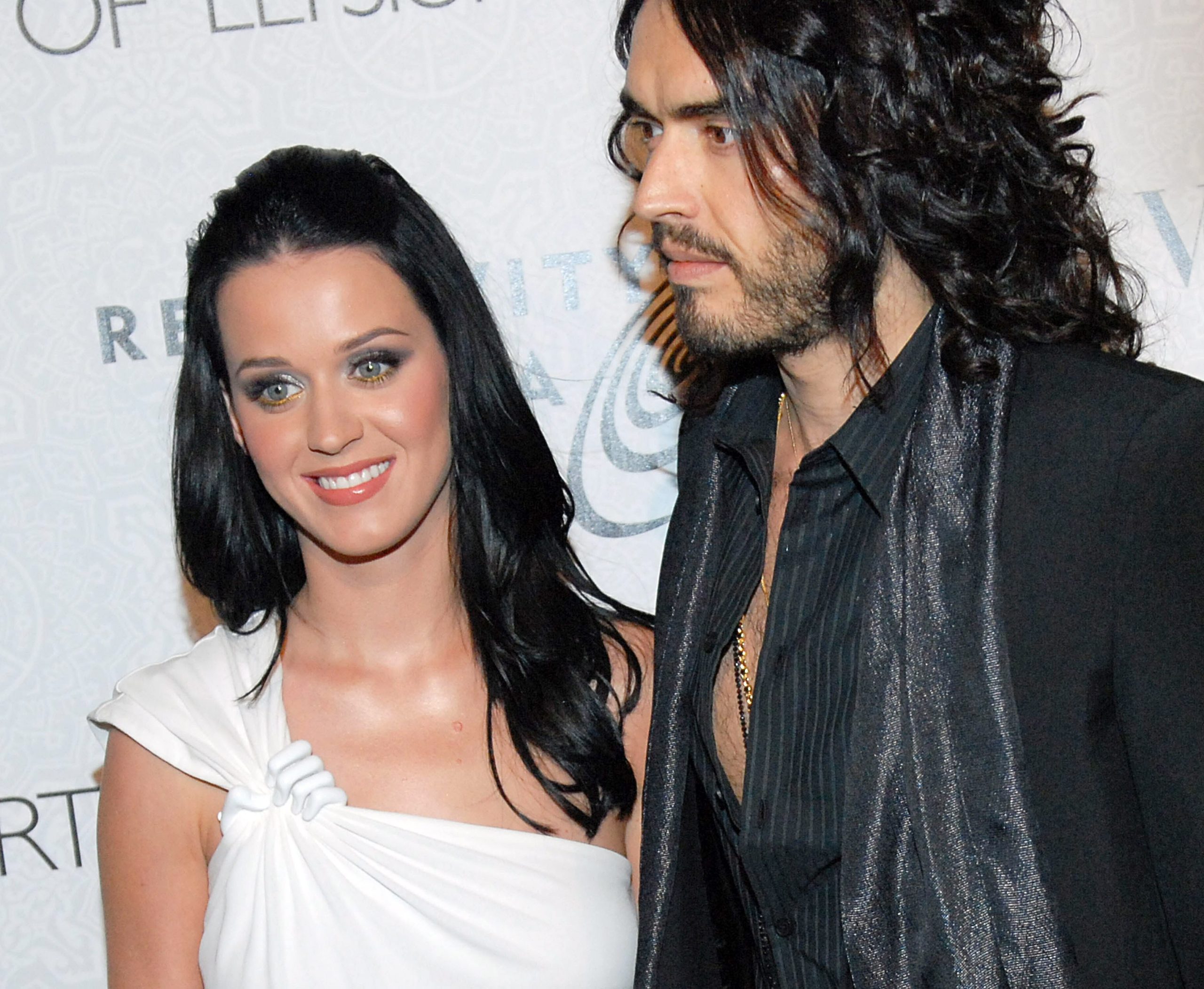
Russell Brand and Katy Perry pictured on the red carpet during their marriage, capturing a high-profile moment from the couple’s Hollywood life before their eventual separation.
The Financial Impact: How Much Has This Already Cost Russell Brand?
Regardless of the eventual outcome, the financial consequences for Russell Brand have already been severe.
Since the allegations first emerged, Brand’s mainstream career has effectively stalled. Television projects, publishing opportunities, and commercial partnerships have either been paused or quietly abandoned. While he has continued to speak to a dedicated online audience, the earning power associated with traditional media platforms has sharply diminished.
Industry figures suggest that Brand has already lost millions of pounds in potential future income. Beyond lost work, legal costs alone in a case of this scale can be enormous. Defending multiple serious charges at Crown Court, particularly where allegations span decades and involve extensive disclosure, expert witnesses, and pre-trial hearings, can cost well into seven figures over time.
Even for a wealthy defendant, such costs are financially draining. They also come with opportunity costs, as long-term legal proceedings make new professional commitments difficult, if not impossible.
What This Could Ultimately Cost Him
The longer the case continues, the greater the financial and reputational damage becomes. Even if Brand were ultimately cleared of some or all charges, the process itself can permanently alter a public career.
In the event of convictions, the financial consequences could extend beyond criminal penalties. Civil claims often follow criminal trials, and ongoing legal exposure can last for years. Reputational harm, once entrenched, is rarely reversible in the entertainment industry.
For many public figures, prolonged uncertainty proves as damaging as definitive outcomes.
Could Russell Brand Go to Prison?
This is the most sensitive and frequently asked question, and it requires careful context.
Under UK law, rape carries a maximum sentence of life imprisonment. Sentencing for sexual offences depends on a wide range of factors, including the seriousness of the offence, the circumstances surrounding it, and whether there are multiple convictions.
Legal analysts stress that it is impossible to predict outcomes at this stage. Historic cases present particular challenges for both prosecution and defence, and verdicts often vary across individual counts.
However, if a jury were to convict on one or more counts of rape, a custodial sentence would be highly likely. Where multiple serious convictions are involved, sentencing can extend to many years.
Equally, acquittals or mixed verdicts remain possible. The legal process is designed to test evidence rigorously, and outcomes depend on what is proven beyond reasonable doubt in court.
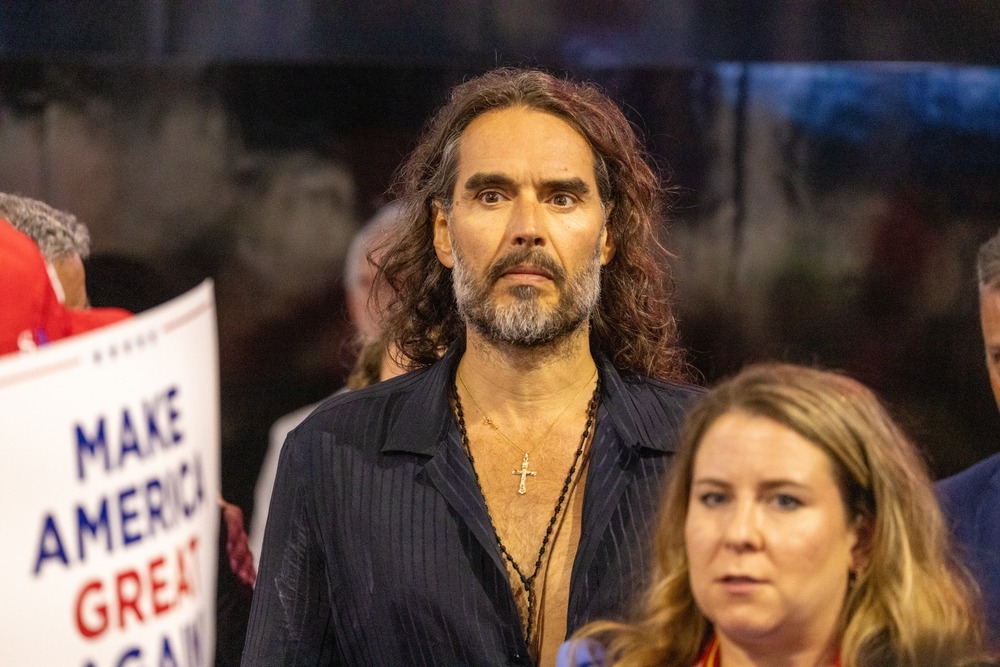
Russell Brand attending a political rally, engaging with civic events and public discussions a few years prior, before any sexual offence allegations surfaced.
From Stardom to Scrutiny
Born in Essex, Russell Brand rose from stand-up comedy to national fame in the early 2000s, becoming a familiar face on British television and radio. He hosted Big Brother’s Big Mouth and fronted programmes on BBC Radio 2 and 6 Music before building a Hollywood career with films such as Forgetting Sarah Marshall and Get Him to the Greek.
That trajectory has now been dramatically reversed.
Instead of premieres and promotions, Brand’s immediate future is defined by court dates, legal submissions, and intense public scrutiny. The contrast between his former prominence and his current circumstances underscores the gravity of the situation he now faces.
People Also Ask: Key Questions Around the Russell Brand Case
Why are historic sexual offence cases still prosecuted decades later?
In England and Wales, there is no statute of limitations for serious criminal offences such as rape and sexual assault. This means allegations can be investigated and prosecuted regardless of how much time has passed, provided prosecutors believe there is a realistic prospect of conviction and that pursuing the case is in the public interest. Historic cases often rely heavily on witness testimony and corroborative material rather than physical evidence, which is why investigations can take years before charges are authorised.
How do multiple complainants affect a Crown Court trial?
When allegations involve more than one complainant, courts may allow cases to be heard together if judges believe there are similarities that make joint consideration fair and relevant. However, each charge must still be assessed independently by the jury. The presence of multiple complainants does not lower the burden of proof, but it can significantly increase trial length, complexity, and the level of scrutiny applied to both prosecution and defence evidence.
What restrictions can someone face while on bail in a high-profile case?
Bail conditions vary, but in high-profile cases they can include travel restrictions, regular reporting requirements, limits on contact with certain individuals, and conditions around public statements. Courts aim to balance the defendant’s right to liberty with the need to protect the integrity of the legal process. Breaching bail conditions can result in immediate arrest and further legal consequences, regardless of the outcome of the underlying case.
What Happens Next?
Brand will appear at Southwark Crown Court on 17 February, where judges will consider how the cases proceed and how they fit within the existing trial schedule. The trial relating to the original charges is due to begin later this year, with further hearings expected as the newer allegations move forward.
For now, Brand remains on bail, and the legal process continues.
The coming months will be decisive, not just for Brand personally, but for how one of the most significant celebrity criminal cases of recent years unfolds. The outcome will not be shaped by headlines or speculation, but by evidence tested in open court, where the consequences — legally, financially, and personally — could scarcely be higher.