Update — 12 June 2026: Elon Musk becomes the world's first trillionaire
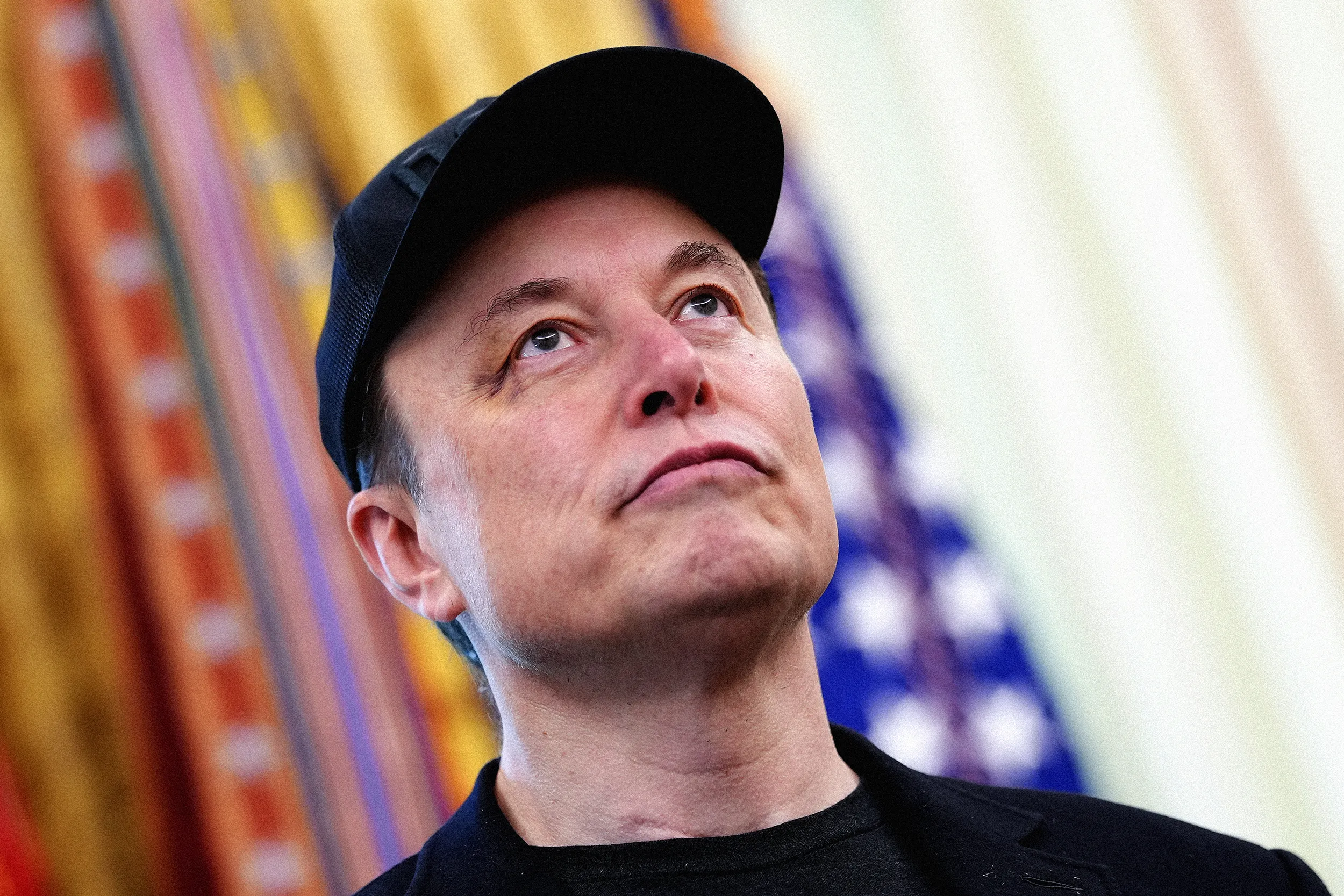
Following SpaceX's stock market debut, Elon Musk has become the first person in history to reach a net worth of more than $1 trillion. SpaceX priced its IPO at $135 a share, valuing the company at around $1.77 trillion, and began trading on the Nasdaq under the ticker SPCX today. With Musk holding roughly 42% of the company, the listing pushed his total fortune — combined with his Tesla and other holdings — to an estimated $1.1 trillion, a level no individual has previously reached. The figure remains very much a paper valuation that will move with SpaceX's share price in its opening days. We'll publish a full reassessment of Musk's wealth and his position at the top of this list once the IPO dust settles and the valuation steadies.
How Much Is a Trillion Dollars?
A trillion is a thousand billion — a one followed by twelve zeros ($1,000,000,000,000). To grasp the scale: a million seconds is about 11 days, a billion seconds is roughly 32 years, and a trillion seconds is around 31,700 years. Musk's estimated $1.1 trillion is more than the entire annual GDP of countries such as Switzerland or Saudi Arabia.
Editor’s note: Finance Monthly’s Top 100 richest people ranking is based on public shareholdings, company market values, family ownership structures, private-company valuation signals and market data available as of May 28, 2026. Figures are editorial estimates, not audited personal balance sheets.
Top 100 Richest People In The World 2026: Full Finance Monthly Ranking
Elon Musk is the richest person in the world in Finance Monthly’s 2026 Top 100 ranking, with an estimated net worth of $1.1tn. His fortune is mainly tied to SpaceX, Tesla, xAI and other technology holdings. Finance Monthly’s 2026 ranking of the top 100 richest people in the world lists the billionaires whose fortunes are shaped by AI, technology, retail, luxury, energy, finance and family-controlled businesses.
The world’s richest people are increasingly concentrated around AI, cloud computing, software, space, retail and luxury. Musk remains at number one, while Larry Page and Sergey Brin have climbed into the top tier as Alphabet’s AI and cloud value has pushed Google-linked wealth higher.
Finance Monthly’s latest Top 100 ranking shows how extreme wealth is clustering around companies with global scale, strong investor demand and dominant market positions, including Tesla, SpaceX, Alphabet, Amazon, Oracle, Meta, Dell, Nvidia, Walmart and LVMH.
Each profile in this ranking links to Finance Monthly’s full net worth analysis, where available. Our estimates are based on public shareholdings, company valuations, family ownership structures and current market data, rather than simply repeating third-party rich-list figures.
A billionaire’s net worth is usually dominated by shares, private-company stakes and family-controlled assets. Elon Musk, Bernard Arnault, Jim Walton and Mark Zuckerberg do not hold most of their wealth as cash. Their fortunes rise and fall because the market value of their companies changes. A single share-price move can add or remove billions without any sale taking place.
Top 10 Richest People In The World 2026
| Rank | Name | Estimated net worth | Country | Main wealth source | Sector signal | Valuation basis | Confidence |
|---|---|---|---|---|---|---|---|
| 1 | Elon Musk | $1.1tn | United States | SpaceX, Tesla, xAI | Space, EVs, AI, platform power | Public shares + SpaceX + Tesla | High |
| 2 | Larry Page | $323bn | United States | Alphabet / Google | AI, search, cloud infrastructure | Public shares | High |
| 3 | Sergey Brin | $300bn | United States | Alphabet / Google | AI, search, cloud infrastructure | Public shares | High |
| 4 | Jeff Bezos | $290bn | United States | Amazon, Blue Origin | E-commerce, cloud, logistics | Public shares + private assets | High |
| 5 | Larry Ellison | $233bn | United States | Oracle | Cloud, enterprise software, AI infrastructure | Public shares | High |
| 6 | Mark Zuckerberg | $217bn | United States | Meta Platforms | Social media, AI, digital advertising | Public shares | High |
| 7 | Jensen Huang | $191bn | United States | Nvidia | AI chips, semiconductors | Public shares | High |
| 8 | Michael Dell | $179bn | United States | Dell Technologies | AI servers, enterprise hardware | Public shares + related holdings | Medium-high |
| 9 | Jim Walton | $156bn | United States | Walmart | Retail, consumer spending | Family ownership estimate | Medium |
| 10 | Bernard Arnault | $145bn | France | LVMH | Luxury goods, discretionary spending | Public shares + family control structure | High |
Top 100 Richest People In The World 2026: Full Ranking From 1 To 100
The full Top 100 richest people in the world ranking gives a wider view of how billionaire wealth is spread across technology, retail, luxury, finance, energy, healthcare, manufacturing, logistics and family-controlled businesses.
Finance Monthly’s estimates are built from identifiable public shareholdings, listed company market values, disclosed ownership structures, recent share prices, family holding vehicles, private-company valuation signals and major asset ownership where credible information is available. For listed-company fortunes, the starting point is usually the individual’s known or estimated equity exposure multiplied by the relevant company’s market value or share price. For private companies, family trusts and conglomerate wealth, the figures are rounded editorial estimates because the assets are not priced continuously in public markets.
| Rank | Name | Estimated net worth | Country / territory | Main wealth source | Calculation basis | Confidence |
|---|---|---|---|---|---|---|
| 11 | Rob Walton & family | $150bn | United States | Walmart | Walton-linked Walmart equity pool allocated across family branches, trusts and known family beneficiaries | Medium |
| 12 | Amancio Ortega | $140bn | Spain | Inditex / Zara | Inditex market value multiplied by Ortega-linked ownership, plus Pontegadea property and investment assets | High |
| 13 | Steve Ballmer | $135bn | United States | Microsoft, investments | Estimated retained Microsoft shareholding multiplied by Microsoft share price, plus investment assets | Medium-high |
| 14 | Warren Buffett | $130bn | United States | Berkshire Hathaway | Berkshire Hathaway share ownership multiplied by current Berkshire share price, adjusted for ongoing philanthropy, disclosed giving and share conversions | High |
| 15 | Carlos Slim Helú & family | $125bn | Mexico | América Móvil | América Móvil and related listed holdings multiplied by family ownership, plus Grupo Carso and other assets | Medium-high |
| 16 | Changpeng Zhao | $110bn | Canada | Binance | Estimated Binance equity value based on exchange profitability, market share and private-company valuation assumptions | Medium |
| 17 | Michael Bloomberg | $109bn | United States | Bloomberg LP | Estimated Bloomberg LP enterprise value multiplied by Bloomberg ownership stake, plus investments | Medium |
| 18 | Bill Gates | $108bn | United States | Microsoft, Cascade Investment | Estimated investment portfolio value, residual Microsoft exposure and disclosed philanthropic transfers, with long-term downward adjustment for accelerated giving plans | Medium |
| 19 | Alice Walton | $104bn | United States | Walmart | Walmart market value multiplied by estimated Walton family holding allocation, adjusted for individual and family-branch exposure | Medium |
| 20 | Françoise Bettencourt Meyers & family | $100bn | France | L’Oréal | L’Oréal market value multiplied by family holding, adjusted for family and trust ownership structure | High |
| 21 | Mukesh Ambani | $99.7bn | India | Reliance Industries | Reliance Industries market value multiplied by Ambani family holding, plus telecom, retail and other group exposure | Medium-high |
| 22 | Giancarlo Devasini | $89.3bn | Italy | Tether | Estimated Tether ownership multiplied by implied business value from profits, reserves and market position | Medium |
| 23 | Thomas Peterffy | $82.9bn | United States | Interactive Brokers | Interactive Brokers market value multiplied by Peterffy-linked ownership, plus investment assets | High |
| 24 | Julia Koch & family | $81.2bn | United States | Koch Inc. | Estimated Koch Inc. enterprise value multiplied by inherited and family ownership interest | Medium |
| 25 | Charles Koch & family | $73.8bn | United States | Koch Inc. | Estimated Koch Inc. enterprise value multiplied by Koch family ownership interest | Medium |
| 26 | Zhang Yiming | $69.3bn | China | ByteDance | Estimated ByteDance private valuation multiplied by founder ownership stake, discounted for private-company liquidity and regulatory risk | Medium |
| 27 | Zhong Shanshan | $68.1bn | China | Nongfu Spring | Nongfu Spring and related listed holdings multiplied by Zhong-linked ownership | High |
| 28 | Jeff Yass | $67.4bn | United States | Susquehanna International | Estimated Susquehanna enterprise value multiplied by ownership interest, plus public and private investments | Medium |
| 29 | Dieter Schwarz | $67.2bn | Germany | Lidl, Kaufland | Estimated Schwarz Group value based on retail revenue, margins and private-company multiples | Medium |
| 30 | Germán Larrea Mota Velasco & family | $67.1bn | Mexico | Grupo México | Grupo México market value multiplied by Larrea family ownership, plus related holdings | High |
| 31 | Gautam Adani | $63.8bn | India | Adani Group | Listed Adani group companies multiplied by promoter and family ownership stakes, adjusted for debt and cross-holdings where visible | Medium-high |
| 32 | Tadashi Yanai & family | $61.8bn | Japan | Fast Retailing / Uniqlo | Fast Retailing market value multiplied by Yanai family ownership | High |
| 33 | Ma Huateng | $53.8bn | China | Tencent | Tencent shareholding multiplied by current Tencent market value, plus related assets | High |
| 34 | Robin Zeng | $53.2bn | Hong Kong | CATL | CATL market value multiplied by Zeng-linked shareholding | High |
| 35 | Iris Fontbona & family | $52.6bn | Chile | Antofagasta, mining, beverages | Listed mining holdings and family-controlled assets multiplied by estimated family ownership | Medium-high |
| 36 | Masayoshi Son | $51.5bn | Japan | SoftBank | SoftBank ownership exposure, investment holdings and asset-value discount assumptions | Medium |
| 37 | Ken Griffin | $49.8bn | United States | Citadel | Estimated Citadel and Citadel Securities ownership value, plus investment assets | Medium |
| 38 | Jacqueline Mars | $49.1bn | United States | Mars Inc. | Estimated Mars Inc. enterprise value multiplied by family ownership allocation | Medium |
| 39 | John Mars | $49.1bn | United States | Mars Inc. | Estimated Mars Inc. enterprise value multiplied by family ownership allocation | Medium |
| 40 | Lukas Walton | $48.9bn | United States | Walmart | Walmart-linked family trust and beneficiary exposure, adjusted against total Walton equity pool | Medium |
| 41 | Giovanni Ferrero | $48.8bn | Italy | Ferrero | Estimated Ferrero enterprise value multiplied by family ownership | Medium |
| 42 | Li Ka-shing | $47bn | Hong Kong | CK Hutchison, property, infrastructure | Listed holdings and family investment vehicles marked to market, plus private assets | Medium-high |
| 43 | Mark Mateschitz | $45.8bn | Austria | Red Bull | Estimated Red Bull enterprise value multiplied by inherited ownership stake | Medium |
| 44 | Gianluigi Aponte | $44.5bn | Switzerland | MSC | Estimated MSC enterprise value multiplied by family ownership allocation | Medium |
| 45 | Rafaela Aponte-Diamant | $44.5bn | Switzerland | MSC | Estimated MSC enterprise value multiplied by family ownership allocation | Medium |
| 46 | Andrea Pignataro | $42.6bn | Italy | ION Group | Estimated ION Group enterprise value from private-market transactions and debt-backed acquisition history | Medium |
| 47 | Klaus-Michael Kuehne | $41.9bn | Germany | Kuehne + Nagel | Kuehne + Nagel and related logistics holdings multiplied by disclosed ownership stakes | High |
| 48 | Thomas Frist Jr & family | $41.1bn | United States | HCA Healthcare | HCA Healthcare shareholding and family-linked exposure multiplied by current market value | Medium-high |
| 49 | Alain Wertheimer | $39.4bn | France | Chanel | Estimated Chanel enterprise value multiplied by family ownership allocation | Medium |
| 50 | Gérard Wertheimer | $39.4bn | France | Chanel | Estimated Chanel enterprise value multiplied by family ownership allocation | Medium |
| 51 | Savitri Jindal & family | $39.1bn | India | Jindal Group | Listed Jindal group holdings multiplied by family ownership, plus private group exposure | Medium |
| 52 | Stephen Schwarzman | $38.3bn | United States | Blackstone | Blackstone shareholding multiplied by current market value, plus carried interest and investment assets | High |
| 53 | Paolo Ardoino | $38bn | Italy | Tether | Estimated Tether equity value multiplied by assumed ownership, using profitability and reserves as valuation anchors | Low-medium |
| 54 | Jean-Louis van der Velde | $38bn | Netherlands | Tether / Bitfinex | Estimated Tether and Bitfinex ownership value based on private-company assumptions | Low-medium |
| 55 | William Ding | $37.9bn | China | NetEase | NetEase shareholding multiplied by current market value, plus related investments | High |
| 56 | Miriam Adelson & family | $37.5bn | United States | Las Vegas Sands | Las Vegas Sands shareholding multiplied by current market value, plus family assets | High |
| 57 | Alexey Mordashov & family | $37bn | Russia | Severstal | Estimated value of steel, mining and investment holdings, discounted for sanctions and liquidity risk | Low-medium |
| 58 | Colin Huang | $36.6bn | China | PDD Holdings | PDD Holdings shareholding multiplied by current market value, adjusted for known disposals and transfers | Medium-high |
| 59 | Eduardo Saverin | $35.9bn | Brazil | Meta Platforms | Meta shareholding multiplied by current market value, plus investment assets | Medium-high |
| 60 | Eric Schmidt | $35.5bn | United States | Google / Alphabet | Alphabet shareholding and investment assets marked to market | Medium-high |
| 61 | Idan Ofer | $34.6bn | Israel | Shipping, energy, investments | Listed and private shipping, energy and investment assets multiplied by family ownership | Medium |
| 62 | Eyal Ofer | $33.6bn | Israel | Shipping, real estate, investments | Estimated real estate, shipping and investment holdings multiplied by family ownership | Medium |
| 63 | He Xiangjian & family | $33.2bn | China | Midea Group | Midea Group shareholding multiplied by current market value | High |
| 64 | Abigail Johnson | $33.2bn | United States | Fidelity Investments | Estimated Fidelity enterprise value multiplied by Johnson family and individual ownership allocation | Medium |
| 65 | Zheng Shuliang & family | $33.2bn | China | China Hongqiao | China Hongqiao and related aluminium holdings multiplied by family ownership | Medium-high |
| 66 | Marilyn Simons & family | $32.5bn | United States | Renaissance Technologies | Estimated Renaissance Technologies founder and family stake, plus investment assets | Medium |
| 67 | Robert Pera | $31.7bn | United States | Ubiquiti | Ubiquiti shareholding multiplied by current market value | High |
| 68 | Phil Knight & family | $31.1bn | United States | Nike | Nike shareholding and family holdings multiplied by current market value, plus related assets | High |
| 69 | Michal Strnad | $31.1bn | Czech Republic | Czechoslovak Group | Estimated private defence and manufacturing group value based on revenue, margins and transaction multiples | Low-medium |
| 70 | Lakshmi Mittal | $31bn | India | ArcelorMittal | ArcelorMittal family shareholding multiplied by current market value, plus related steel assets | High |
| 71 | Elaine Marshall & family | $30.9bn | United States | Koch Inc. | Estimated Koch Inc. ownership interest derived from private-company valuation assumptions | Medium |
| 72 | Shiv Nadar | $30.9bn | India | HCL Technologies | HCL Technologies holding multiplied by current market value, plus family investment assets | High |
| 73 | Henry Samueli | $30.8bn | United States | Broadcom | Broadcom shareholding and related assets multiplied by current market value | Medium-high |
| 74 | Melinda French Gates | $30.3bn | United States | Investments, philanthropy | Estimated investment portfolio after divorce settlement, public transfers and philanthropic commitments | Medium |
| 75 | Stefan Quandt | $30.1bn | Germany | BMW | BMW shareholding multiplied by current market value, plus inherited and family assets | High |
| 76 | Reinhold Wuerth & family | $30.1bn | Germany | Würth Group | Estimated Würth Group enterprise value multiplied by family ownership | Medium |
| 77 | Lyndal Stephens Greth & family | $30bn | United States | Energy assets | Estimated value of inherited energy and private investment assets | Low-medium |
| 78 | Len Blavatnik | $29.9bn | United States | Access Industries | Estimated value of Access Industries holdings across media, energy, music and investments | Medium |
| 79 | Susanne Klatten | $29.7bn | Germany | BMW, Altana | BMW and Altana-linked holdings multiplied by ownership stakes, plus family assets | High |
| 80 | Vladimir Potanin | $29.7bn | Russia | Norilsk Nickel | Norilsk Nickel and related holdings, discounted for sanctions and liquidity risk | Low-medium |
| 81 | Vagit Alekperov | $29.5bn | Russia | Lukoil | Energy holdings and investment assets, discounted for sanctions and liquidity risk | Low-medium |
| 82 | François Pinault & family | $29.5bn | France | Kering | Kering shareholding multiplied by current market value, plus Artémis assets | High |
| 83 | Jack Ma | $29.1bn | China | Alibaba | Alibaba and Ant-linked holdings, adjusted for disposals, regulatory risk and private valuation assumptions | Medium |
| 84 | Prajogo Pangestu | $28.6bn | Indonesia | Barito Pacific | Listed Barito-linked holdings multiplied by ownership stakes, adjusted for market volatility | Medium-high |
| 85 | MacKenzie Scott | $28.6bn | United States | Amazon stake | Amazon shareholding estimate multiplied by current market value, adjusted for disclosed giving | Medium-high |
| 86 | Aliko Dangote | $28.5bn | Nigeria | Dangote Cement | Dangote Cement and related industrial holdings multiplied by ownership stakes, adjusted for currency and liquidity | Medium |
| 87 | Peter Thiel | $28.4bn | United States | PayPal, Palantir, Founders Fund | Palantir and public holdings, venture stakes and investment assets marked to market where possible | Medium |
| 88 | Emmanuel Besnier | $28.3bn | France | Lactalis | Estimated Lactalis enterprise value multiplied by family ownership allocation | Medium |
| 89 | Leonid Mikhelson & family | $28.3bn | Russia | Novatek | Novatek and related energy holdings, discounted for sanctions and liquidity risk | Low-medium |
| 90 | Daniel Gilbert | $27.9bn | United States | Rocket Companies | Rocket Companies shareholding multiplied by current market value, plus private holdings | Medium-high |
| 91 | Lei Jun | $27.9bn | China | Xiaomi | Xiaomi shareholding multiplied by current market value, plus related investments | High |
| 92 | Andreas von Bechtolsheim & family | $27.9bn | Germany | Arista Networks | Arista Networks shareholding multiplied by current market value, plus technology investments | Medium-high |
| 93 | Pham Nhat Vuong | $27.7bn | Vietnam | Vingroup | Vingroup, VinFast and related holdings multiplied by ownership stakes, adjusted for volatility | Medium |
| 94 | Vicky Safra & family | $27.1bn | Greece | Banking | Estimated value of banking, investment and family assets after inherited ownership allocation | Medium |
| 95 | Jay Y. Lee | $27bn | South Korea | Samsung | Samsung group holdings multiplied by family ownership, adjusted for inheritance taxes and holding structures | Medium-high |
| 96 | Cyrus Poonawalla | $27bn | India | Serum Institute of India | Estimated Serum Institute enterprise value multiplied by family ownership | Medium |
| 97 | Rick Cohen & family | $26.3bn | United States | C&S Wholesale Grocers, Symbotic | Symbotic stake and private wholesale grocery assets marked to market where possible | Medium |
| 98 | Israel Englander | $25.8bn | United States | Millennium Management | Estimated hedge-fund founder ownership, management economics and investment assets | Medium |
| 99 | Suleiman Kerimov & family | $25.7bn | Russia | Investments | Estimated value of investment holdings, discounted for sanctions and liquidity risk | Low |
| 100 | Dilip Shanghvi | $25.6bn | India | Sun Pharmaceutical | Sun Pharma shareholding multiplied by current market value, plus related assets | High |
Methodology
Finance Monthly’s richest people ranking is an editorial estimate based on publicly available company filings, listed shareholdings, market capitalisation data, recent stock prices, currency movements, disclosed ownership structures, private-company valuation signals and comparable market data. For founders and major shareholders, the starting point is usually the value of their listed company stakes. Where wealth is tied to private companies such as,Blue Origin or other privately held assets, Finance Monthly uses reported funding rounds, credible valuation estimates and comparable market data rather than treating those assets as precisely priced.
The figures should be read as informed estimates, not audited personal balance sheets. Net worth can move sharply with share prices, exchange rates, asset sales, dividends, tax liabilities, debt, charitable transfers, family trusts and changes in private company valuations. A billionaire whose fortune is tied to public shares can gain or lose tens of billions in a single trading week, while wealth held in private companies may only be revalued when a funding round, share sale, IPO filing or credible transaction gives the market a new price signal.
Finance Monthly’s figures are estimates as of May 2026 and are designed to give readers a clear market snapshot rather than a permanent measure of personal wealth. The ranking focuses on economic exposure: what the individual is known or credibly reported to own, how those assets are valued, and how much of that wealth is linked to listed shares, private businesses, cash, property, family holdings or other investments.
Quick Answers: Richest People In The World 2026
Who Is The Richest Man In The World?
Elon Musk is also the richest man in the world, ahead of Larry Ellison, Jeff Bezos, Mark Zuckerberg and other technology billionaires.
Who Are The Top 10 Richest People In The World?
The top 10 richest people in the world are led by Elon Musk, Larry Page, Sergey Brin, Jeff Bezos and Larry Ellison. The full Top 10 is listed below with estimated net worth, country, source of wealth and valuation basis.
Who Are The Top 20 Richest People In The World?
Finance Monthly’s Top 20 richest people ranking expands beyond the largest technology fortunes to include major wealth from luxury, retail, investing, energy and industrial ownership.
Who Are The Richest Billionaires In The World?
The richest billionaires in the world are mostly concentrated in technology, AI, cloud computing, private space, luxury goods, retail and long-held family-controlled businesses.
Below the Top Ten, several names stand out for where they sit in the wider ranking: the nearest challengers, the richest woman, the richest Asian, China’s richest person and Africa’s richest billionaire.
Who From 11–15 Could Break Into The Top 10?
Just outside the Top 10, the closest challengers are Rob Walton & family at No. 11, Amancio Ortega at No. 12, Steve Ballmer at No. 13, Warren Buffett at No. 14 and Carlos Slim Helú & family at No. 15. None needs a dramatic change in circumstances to move higher. A stronger valuation for Walmart, Inditex, Microsoft, Berkshire Hathaway or América Móvil — or a fall in one of the current Top 10 fortunes — could be enough to change the order.
Rob Walton & family are closest to the cut-off. Their wealth moves with Walmart’s market value and the wider Walton family ownership pool, the same retail dynasty that already keeps Jim Walton inside Finance Monthly’s Top 10. If Walmart gains further value, more than one Walton branch could sit inside the upper tier.
Amancio Ortega also has a clear route back into the Top 10. His fortune is anchored in Inditex, the listed owner of Zara, which makes the calculation more visible than many private-company fortunes. Finance Monthly’s estimate starts with Ortega-linked Inditex ownership, then adds Pontegadea’s property and investment assets.
Steve Ballmer’s position is closely tied to Microsoft. His long-held exposure gives him a direct link to the AI and cloud cycle that has lifted several names above him. If Microsoft rerates further, Ballmer could move up without needing a new company, asset sale or flotation.
Warren Buffett remains close on paper, although his ranking is shaped by philanthropy and succession as much as market performance. Berkshire Hathaway shares can still lift his estimate in the short term, but his long-running giving plans make sustained upward movement less likely over time.
Carlos Slim Helú & family complete the 11–15 group. Their fortune is tied to América Móvil, Grupo Carso and wider family-controlled assets. Stronger telecoms valuations, better pricing for Mexican listed holdings or a wider market rally could move Slim closer to the Top 10.
Bill Gates, ranked No. 18, sits outside the immediate challenger group, but the same caution applies. His wealth should not be read only through Microsoft-linked assets or investment performance. Philanthropic transfers remain central to any realistic estimate, making him less likely to climb sharply even if his remaining portfolio performs well.
Richest Woman In The Top 100: Alice Walton, Ranked No. 19
Alice Walton is the richest woman in Finance Monthly’s wider Top 100 ranking, currently sitting at No. 19 with an estimated fortune of around $104bn. Her wealth comes from Walmart, making her part of the same retail dynasty that keeps Jim Walton, Rob Walton and Lukas Walton near the top of the list. For a closer look at the women near the top of the global wealth table, see Finance Monthly’s ranking of the top 10 richest women in the world.
The calculation starts with Walmart’s market value and the Walton family’s broad ownership exposure. Finance Monthly then allocates that family-linked equity pool across the most visible Walton family members and trusts. That is why Alice Walton’s estimate is presented as a rounded figure rather than a precise audited total.
Her position shows how inherited retail wealth can still compete with AI, software and cloud fortunes. Unlike Jensen Huang, Larry Page or Mark Zuckerberg, her wealth is not tied to a single technology-growth cycle. It is tied to Walmart’s scale, grocery demand, e-commerce execution and the value investors place on a retailer that reaches households every week.
Richest Asian In The Top 100: Mukesh Ambani, Ranked No. 21
Mukesh Ambani is the richest Asian in this Top 100 table, currently ranked No. 21 with an estimated fortune of around $99.7bn. His wealth is tied to Reliance Industries, a sprawling Indian group with interests across petrochemicals, oil and gas, telecoms, retail, media and financial services.
The calculation starts with Reliance Industries’ market value and the Ambani family’s promoter ownership, then factors in the family’s wider exposure to Reliance-linked telecoms, retail and digital assets. Ambani sits between old and new wealth: Reliance still has major exposure to energy and petrochemicals, but its telecoms, retail, digital and green-energy investments make the fortune increasingly tied to India’s consumer and technology infrastructure.
Ambani’s position also gives the Top 100 a different kind of scale from the US technology names above him. His wealth is not built around one software platform or one listed growth stock. It comes from a conglomerate that touches energy, mobile data, shopping, media and financial services across one of the world’s largest consumer markets.
China’s Richest Person: Zhang Yiming, Ranked No. 26
Zhang Yiming is the richest Chinese person in Finance Monthly’s wider Top 100, currently ranked No. 26 with an estimated fortune of around $69.3bn. His wealth is tied to ByteDance, the private company behind TikTok, Douyin and a wider set of content, advertising and AI-driven recommendation products.
The calculation is less straightforward than a listed-company fortune. Finance Monthly’s estimate starts with ByteDance’s implied private-market value, then applies a founder ownership assumption and a private-company discount. ByteDance remains one of the world’s most valuable privately held technology companies, but Zhang’s wealth can only be estimated until there is a clearer transaction, IPO, secondary share sale or formal valuation event.
Zhang’s position also explains why China’s richest person is no longer only a property, manufacturing or consumer-goods story. His fortune is tied to attention, advertising, recommendation systems and global app distribution. That puts him closer to the AI and platform economics driving the top end of the list, even though ByteDance remains privately held.
Richest African In The Top 100: Aliko Dangote, Ranked No. 86
Aliko Dangote is the richest African in Finance Monthly’s Top 100, currently ranked No. 86 with an estimated fortune of around $28.5bn. His wealth is anchored in Dangote Cement and wider industrial assets, which makes his fortune very different from the technology and financial-market wealth that dominates the upper part of the ranking.
Finance Monthly’s estimate is based on the value of Dangote’s cement, manufacturing and industrial holdings, adjusted for currency exposure, liquidity and the valuation gap between African industrial assets and US technology companies. Dangote’s wealth reflects cement, infrastructure, manufacturing capacity and long-term construction demand rather than the equity-market revaluation that has lifted AI-linked billionaires.
His ranking also shows the global imbalance in billionaire wealth. Africa has major entrepreneurs and industrial fortunes, but the continent remains thinly represented in the highest global wealth brackets compared with the United States, China, India and Europe.
2026 Top 100 Update: Musk, SpaceX And The First Trillionaire
Elon Musk remains the dominant name on the global rich list in 2026, and SpaceX's flotation has changed the scale of the conversation around his fortune entirely. On 11 June 2026 SpaceX priced its IPO at $135 a share, valuing the company at around $1.77 trillion, and the stock began trading on the Nasdaq under the ticker SPCX on 12 June. The listing raised $75 billion, making it one of the largest IPOs in history.
The flotation gave public investors a clear market price for one of the biggest private-company fortunes ever built, and in doing so pushed Musk's estimated net worth past $1 trillion — a level no individual has previously reached. His wealth is still driven by Tesla, SpaceX, xAI and related technology holdings, but the high-value SpaceX listing has widened the gap between him and the rest of the global rich list. The figure remains a paper valuation that will move with SpaceX's share price in its opening days.
How Elon Musk Became The World's First Trillionaire
Elon Musk's route to a trillion-dollar fortune always rested on three moving parts: Tesla's share price, SpaceX's valuation and the value of any future share awards. SpaceX's IPO settled the second of those. The flotation priced the company at around $1.77 trillion and, applied to Musk's roughly 42% stake, lifted his total fortune past the trillion-dollar mark for the first time.
That made Musk the first trillionaire in recorded history. The milestone he had long been projected to reach arrived through the public listing of SpaceX rather than a further Tesla surge — though Tesla, xAI and any future equity awards will still shape how far above $1 trillion his fortune sits, and a sharp move in any one of them could pull the figure back below the line as quickly as the IPO pushed it through.
Elon Musk Trillionaire Calculation
Pre-IPO estimate: $659bn (compiled May 2026)
SpaceX IPO valuation: ~$1.77tn
Estimated net worth post-listing: ~$1.1tn
Status: first trillionaire in history (paper valuation, 12 June 2026)
These figures should be treated as moving estimates. Musk's net worth changes with Tesla's share price, SpaceX's share price now that it is publicly traded, AI valuation swings around xAI and any future equity awards. As a largely paper fortune concentrated in volatile growth stocks, it can move below the trillion-dollar mark as quickly as it crossed it.
SpaceX's IPO Comes With Heavy Valuation Risk
SpaceX's listing was a huge moment for Elon Musk's net worth, but it should not be read as an automatic, durable wealth upgrade. A valuation of around $1.77tn places SpaceX above many of the world's largest listed companies from day one, even though the business still has to prove that Starlink, launch services, government contracts, lunar work and future space infrastructure can support that price over time. A price-to-sales ratio approaching 100 means investors are paying heavily for future growth rather than current earnings, which leaves the valuation sensitive to delays, cost overruns, launch risk, satellite spending and any change in market appetite for high-growth technology listings.
The filing also shows why the headline valuation needs caution. SpaceX recorded a $4.94bn loss in 2025, and its dual-class structure leaves Musk with around 82% of the voting power despite owning roughly 42% of the equity — meaning public investors gain economic exposure but almost no governance say. That combination creates a rich-list tension: the IPO has lifted Musk's paper fortune to a new level, but public investors are buying into a company with heavy losses, huge capital demands and founder control that remains unusually concentrated. For the Top 10 ranking, SpaceX is what carried Musk to trillionaire status; for valuation discipline, it also shows how much future growth is already priced in.
Jensen Huang’s rise into the Top 10 shows how far Nvidia has moved beyond its old identity as a graphics-chip company. Its technology now sits behind AI training, data centres, cloud platforms and high-performance computing, making the company one of the biggest beneficiaries of the AI investment boom.
Finance Monthly estimates Huang’s net worth at around $191bn, putting him above Michael Dell and Jim Walton in this ranking. His rise shows how markets are valuing the hardware layer of AI: chips, servers and computing infrastructure now sit alongside software, retail and luxury as routes into the world’s richest group.
Michael Dell’s Rise Shows The Hardware Side Of AI Wealth
Michael Dell’s position at number eight reflects the less glamorous but highly valuable hardware layer behind the AI boom. Dell Technologies has become closely watched because AI workloads require servers, storage, enterprise hardware and data-centre capacity. That places Dell in a different category from consumer-facing technology billionaires. His wealth is linked to the physical systems companies need before they can train models, run cloud services or deploy AI tools at scale.
Larry Ellison And Oracle Show The Enterprise AI Boom
Larry Ellison’s estimated $233bn fortune keeps him inside the upper tier of the 2026 ranking. Oracle’s strength comes from enterprise software, databases, cloud services and AI-linked infrastructure demand. Ellison’s presence near the top shows how older software fortunes can keep compounding when they sit close to corporate technology budgets. Oracle is not a new AI start-up, but its cloud and enterprise position gives it exposure to the same corporate spending cycle lifting other technology names in the Top 10.
Jeff Bezos And Amazon Remain Central To Cloud Wealth
Jeff Bezos remains fourth in Finance Monthly’s ranking with an estimated fortune of $290bn. Amazon’s e-commerce scale is still central to his wealth, but the cloud business remains one of the company’s most valuable profit engines. Bezos also keeps exposure to private space through Blue Origin. That gives the Top 10 another link between technology wealth, cloud computing, logistics and space investment, although Musk’s SpaceX stake currently carries far greater public attention.
Mark Zuckerberg’s Meta Fortune Rides AI And Advertising
Mark Zuckerberg’s estimated $217bn fortune keeps him sixth in the 2026 ranking. Meta remains one of the world’s biggest digital advertising businesses, while its AI investment has become a major part of the market’s view of the company.
Zuckerberg’s wealth still depends heavily on Meta’s share price. That makes his fortune sensitive to investor confidence in advertising growth, AI spending, social media engagement and whether Meta can turn heavy technology investment into higher long-term earnings.
Arnault Shows The Luxury Cycle Has Turned
Bernard Arnault’s position at number 10 shows how exposed luxury fortunes can be to sector cycles. His wealth remains closely tied to LVMH, where weaker luxury demand has forced investors to look more closely at pricing power, brand performance and capital allocation. The table above lists Arnault’s wealth at $145bn, while Finance Monthly’s full Bernard Arnault net worth analysis uses a working range of around $140bn to $145bn because LVMH’s share price and the euro-dollar exchange rate move daily.
Luxury groups enjoyed years of strong pricing power and global demand from aspirational consumers, but the sector now faces more selective spending. Finance Monthly has analysed how LVMH’s reported brand sales point to a stricter phase for luxury groups.
Walmart Keeps Retail Inside The Top 10
Jim Walton’s place inside the Top 10 shows the staying power of retail wealth. Walmart has not pivoted 180 degrees to become an AI company, a cloud platform or a luxury group. Walmart’s strength comes from scale, pricing power, supply chains and everyday consumer demand, from groceries and household essentials to pharmacy, fuel and general merchandise. That is why the Walton family remains the richest family in the world by Finance Monthly’s current estimate.
Retail wealth behaves differently from technology wealth. It may not have the same explosive upside as AI-linked assets, but large retailers can remain resilient when households are watching costs closely and shifting more spending toward value.
What The Top 100 Ranking Says About Wealth In 2026
The 2026 Top 10 is increasingly shaped by AI infrastructure, cloud platforms, space, software, retail scale and luxury demand. Technology dominates the upper ranks, but Walmart and LVMH show that consumer reach and brand power can still hold a place alongside the fastest-moving tech fortunes.
The people at the top are not wealthy in the same way. Musk, Page, Brin, Ellison, Zuckerberg, Dell and Huang are tied to technology ownership; Bezos combines e-commerce, cloud and space; Walton represents retail scale; Arnault represents luxury brand wealth.
Top 100 Richest Companies in the World
Top 10 Richest Families in the World
People Also Ask
Who Are The Top 100 Richest People In The World In 2026?
Finance Monthly’s 2026 Top 100 richest people ranking is led by Elon Musk, Larry Page, Sergey Brin, Jeff Bezos, Larry Ellison, Mark Zuckerberg, Jensen Huang, Michael Dell, Jim Walton and Bernard Arnault. The wider Top 100 includes retail heirs, technology founders, luxury families, investors, industrialists, energy billionaires and private-company owners.
Who Is The Richest Person In The World In 2026?
Elon Musk is the richest person in the world in Finance Monthly’s 2026 ranking, with an estimated net worth of $1.1tn. His fortune is tied mainly to SpaceX, Tesla, xAI and related technology holdings.
Is Elon Musk A Trillionaire?
Yes. Following SpaceX's stock market debut on 12 June 2026, Elon Musk became the first person in history with an estimated net worth above $1 trillion. SpaceX's IPO valued the company at around $1.77tn, lifting Musk's total fortune — across SpaceX, Tesla, xAI and other holdings — to roughly $1.1tn. The figure is a paper valuation and will move with SpaceX's and Tesla's share prices.
Why Is Jensen Huang In The Top 10?
Jensen Huang is in Finance Monthly’s Top 10 because Nvidia has become central to AI computing. Demand for AI chips, data-centre hardware and high-performance computing has pushed Nvidia’s valuation and Huang’s wealth sharply higher.
Who Are The Top 100 Richest People In The World In 2026?
Finance Monthly’s 2026 Top 100 richest people ranking is led by Elon Musk, Larry Page, Sergey Brin, Jeff Bezos, Larry Ellison, Mark Zuckerberg, Jensen Huang, Michael Dell, Jim Walton and Bernard Arnault. The wider Top 100 includes retail heirs, technology founders, luxury families, investors, industrialists, energy billionaires and private-company owners.
Who Is The Richest Woman In The Top 100?
Alice Walton is the richest woman in Finance Monthly’s Top 100 ranking, sitting at No. 19 with an estimated fortune of around $104bn. Her wealth is tied to Walmart and wider Walton family ownership structures.
Who Is The Richest Asian In The Top 100?
Mukesh Ambani is the richest Asian in Finance Monthly’s Top 100 ranking, sitting at No. 21 with an estimated fortune of around $99.7bn. His wealth is tied to Reliance Industries and its energy, telecoms, retail and digital businesses.
Who Is China’s Richest Person In The Top 100?
Zhang Yiming is China’s richest person in Finance Monthly’s Top 100 ranking, sitting at No. 26 with an estimated fortune of around $69.3bn. His wealth is tied to ByteDance, the private company behind TikTok and Douyin.
Methodology note: Finance Monthly produces its own net worth estimates using market data, company filings and ownership structures where available. Figures may differ from other published rankings because of timing, currency rates, private-company assumptions and methodology.