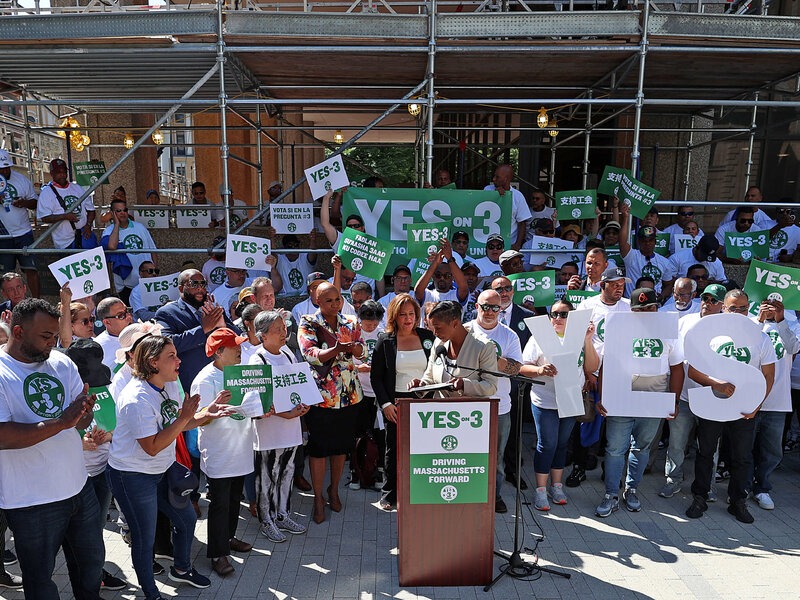
Massachusetts has become the first state to officially recognize a union for Uber and Lyft drivers as rising costs, weaker earnings and automation fears begin reshaping parts of the gig economy.
The decision could reach far beyond ride-hailing apps. What was once marketed as flexible side-income is becoming harder to sustain for many people relying on app-based earnings to cover rent, fuel, insurance and everyday bills. Drivers are spending more just to stay on the road.
Jean Fredo, who has driven for Uber for more than seven years, described working longer hours while bringing in less money as vehicle expenses climbed. He also spoke about the stress of potentially losing access to the app without warning. For years, companies sold gig platforms as freedom and independence. But many workers now depend on those apps for core household income, even as the earnings become less predictable and the costs keep rising.
The Massachusetts certification became possible after voters approved a 2024 ballot measure allowing ride-hailing workers to collectively bargain while still remaining independent contractors. Organizers say the union could eventually represent nearly 70,000 drivers statewide.
Millions of Americans now rely on app-based income streams that sit outside traditional employment protections. Workers absorb most of the risk themselves while companies preserve flexibility in the business model.
That arrangement is starting to face more resistance. Uber and Lyft both said they would work with the new bargaining framework while trying to preserve flexibility for riders and drivers. At the same time, regulators are considering stricter oversight and safety standards that companies warn could raise operating costs further.
Gas prices rose. Insurance climbed. Maintenance costs followed. Drivers absorbed almost all of it themselves. Automation is adding another layer of anxiety. Waymo has expanded driverless taxi operations in cities including San Francisco, Los Angeles and Phoenix, adding to concerns about how long human drivers will remain central to the ride-hailing business.
For many workers, the job no longer resembles the tech success story it once appeared to be. The hours are longer, margins are thinner and the income can disappear quickly if access to the app is cut off.
Public reaction to the Massachusetts decision also exposed a growing divide around gig work itself. Some readers defended drivers struggling with rising costs and unstable earnings, while others argued the work remains voluntary or suggested driverless technology may eventually replace much of the workforce anyway.
That debate now stretches well beyond ride-hailing apps. Businesses across multiple industries are investing heavily in automation and AI while many workers pull back spending and question how secure their income will look a few years from now.
Drivers are not simply fighting for higher pay. Many are trying to secure better conditions before the economics of the industry shift even further. The Massachusetts union victory may not immediately transform working conditions nationwide. But it does show how quickly parts of the labor market are changing as companies search for efficiency while workers push back against increasingly unstable income models.
For years, gig work was sold as flexibility. For a growing number of workers, it now looks more like an economy where the risks keep moving downward while the security keeps getting thinner.