Millions of UK families are about to see energy bills jump again just as many were starting to recover from years of rising living costs, adding another financial squeeze to budgets already strained by food prices, rent and borrowing.
Ofgem confirmed the energy price cap will rise 13% from July, pushing annual energy costs for a typical home to £1,862 between July and September — an increase of £221 and the highest level in more than two years.
For many people, this will not feel like a one-off setback. A lot of families had only just stopped talking about energy bills every week. Now the anxiety is back. The latest spike is tied to growing instability in the Middle East, where fears over disruption to global gas supplies have driven wholesale prices sharply higher again. When global gas markets panic, UK energy costs usually follow.
The politics are becoming difficult for Labour too. Ministers promised lower bills and relief from the cost-of-living squeeze. Instead, another increase is arriving just as many families thought things might finally be stabilising.
Ofgem’s interim chief executive Tim Jarvis warned elevated prices are likely to continue into winter — a warning likely to deepen worries well beyond the summer rise itself.
One increase is painful enough. The fear now is that expensive energy is no longer temporary. Consultancy Cornwall Insight expects another rise could arrive later this year, forecasting a further increase during winter months. That possibility may push more people into cutting back early, avoiding larger purchases and watching monthly spending more carefully before colder weather even arrives.
Many families never rebuilt the savings they burned through during the inflation surge. Another jump in bills risks reopening financial stress that never fully disappeared in the first place.
The government has introduced measures aimed at softening some of the pressure, including fuel duty freezes and support for home insulation. But ministers are not expected to announce additional direct support before autumn, when any extra help is likely to focus mainly on lower-income households. That could become politically uncomfortable fast if energy costs keep climbing.
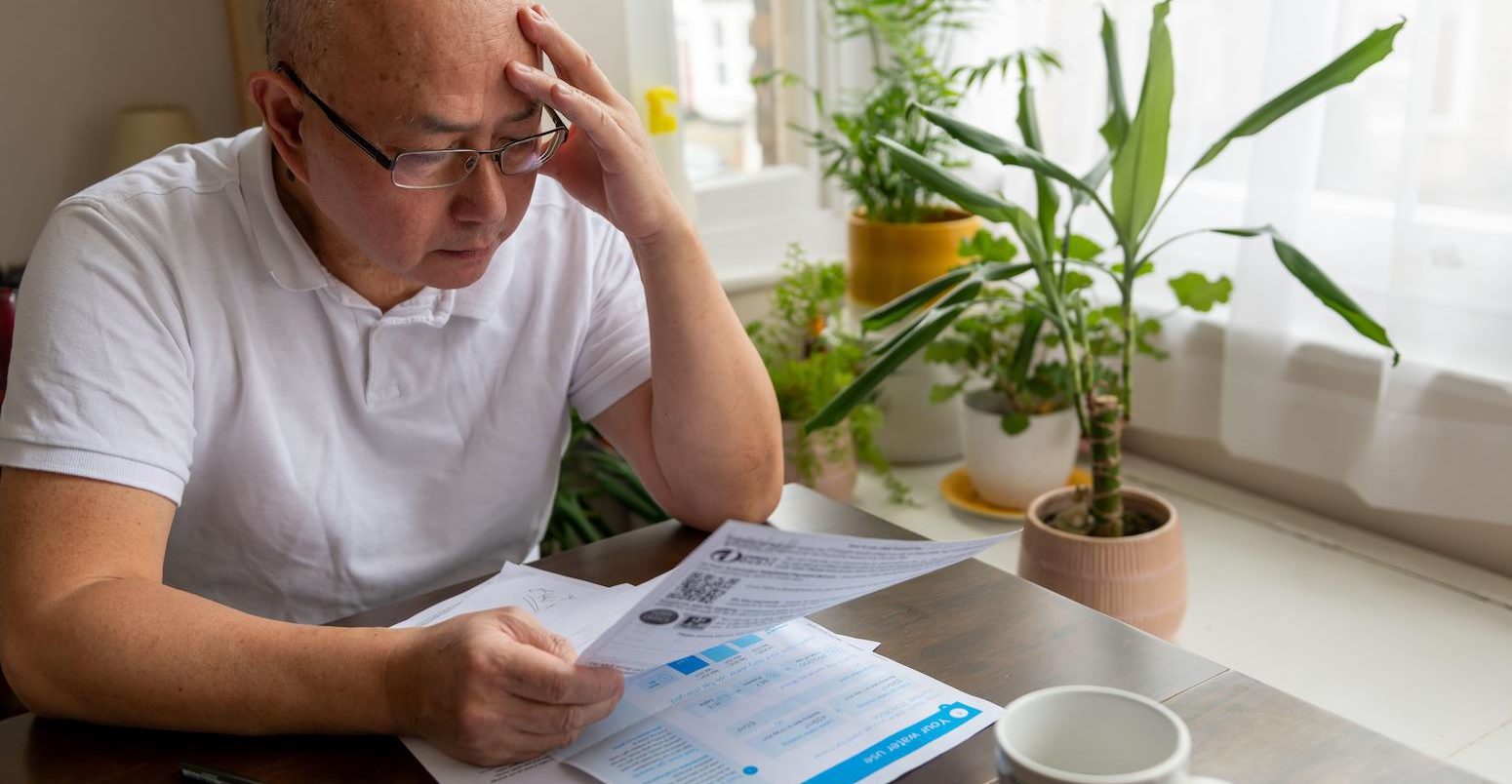
When utility bills rise sharply, spending usually disappears elsewhere first. Nights out go. Shopping slows. Home repairs get delayed. People start checking bank balances more often before payday arrives. For many households, the hardest part is no longer the size of a single increase. It is the growing feeling another one is always around the corner.
With winter already hanging over the conversation months in advance, many families may head into the second half of the year feeling cautious, financially tired and less confident about what their bills could look like by the end of 2026.