Why Some Bottles of Wine Sell for Hundreds of Thousands — and What the Price Really Buys
A bottle of wine selling for more than half a million dollars sounds absurd—until you realise it’s not really wine anymore.
At that level, no one is paying for flavour. They’re paying for something else entirely.
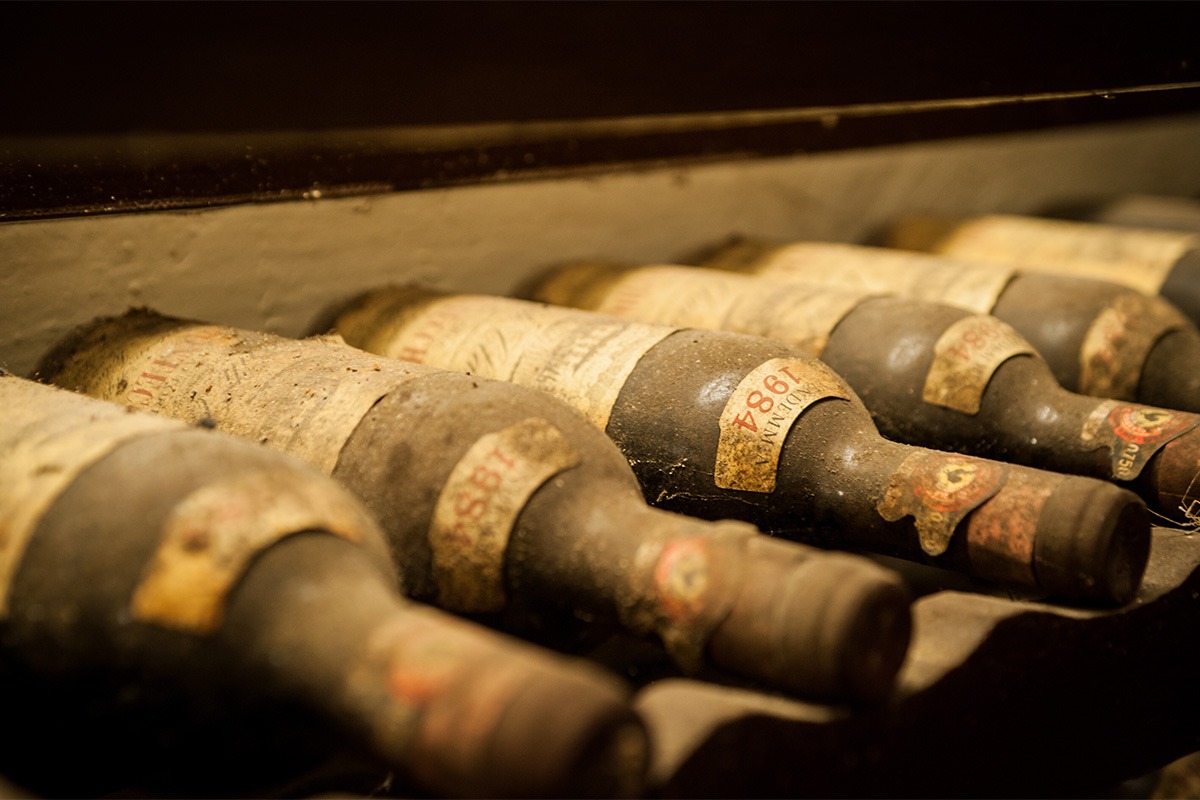
Over the past decade, rare bottles from Burgundy, Bordeaux, and Champagne have shattered auction records, with historic vintages commanding prices that rival luxury cars and waterfront homes. A single bottle of Domaine de la Romanée-Conti 1945 has sold for well over $500,000, while other century-old wines continue to trade hands at six-figure sums.
So why does this keep happening?
When Wine Stops Being a Drink
At everyday prices, wine is about enjoyment. At extreme prices, it becomes a signal.
The bottles fetching the highest sums tend to share the same traits: extreme scarcity, carefully documented provenance, and decades—sometimes centuries—of cultural mythology. Many were produced in tiny quantities, survived wars and regime changes, and now exist in numbers so small that ownership alone confers status.
At that point, bidders aren’t competing over tasting notes. They’re competing over access.
This is why names like Château Lafite Rothschild and Château d’Yquem dominate the top end of the market. Their value compounds not because the liquid improves forever, but because fewer untouched bottles remain with each passing year.
The Moment Prices Turn Surreal
Once prices cross into six figures, logic gives way to symbolism.
Buyers know they’re unlikely to drink the wine. Some bottles are too fragile to open without destroying them. Others are preserved as historical artefacts. But opening the bottle isn’t the point.
Ownership is.
That’s why oversized formats—jeroboams, imperials, and even enormous 20-plus-liter bottles—often sell for more than standard bottles of the same wine. Bigger formats are rarer, visually dramatic, and impossible to replicate. They exist to be seen, not poured.
Why Rare Wine Becomes a Status Purchase
At the highest levels of wealth, rare wine functions less like a beverage and more like a cultural asset. Its price is driven by scarcity, provenance, and the social signal it sends. These bottles operate as markers of access and independence, quietly communicating that cost is irrelevant and exclusivity is the goal. For ultra-wealthy buyers, the value lies not in consumption, but in what ownership represents.
A Modern Illustration of the Pattern
That symbolism surfaced recently when Brooklyn Beckham was pictured sharing an ultra-rare, five-figure bottle during a private retreat—an image that captured how expensive wine is often used to signal freedom, discretion, and entry into a rarefied financial tier rather than simple indulgence.
It’s Not Really About Investment
Fine wine is often described as an “alternative asset,” but that label only goes so far.
Unlike stocks or property, wine produces no income. It evaporates, degrades, and can be ruined instantly. Counterfeits, storage failures, or provenance disputes can wipe out value overnight.
And yet prices continue to rise.
That’s because this market isn’t driven purely by return. It’s driven by scarcity anxiety—the knowledge that once a bottle disappears, it’s gone forever. Every unopened bottle that’s consumed or lost tightens the market for the remaining few.
Fear of missing out does the rest.
What Ultra-Expensive Wine Says About Wealth Today
The rise of six-figure bottles reflects a broader truth about modern wealth. In a world where most luxury goods can be mass-produced or reissued, truly finite objects attract disproportionate amounts of capital.
Rare wine sits perfectly in that space: fragile, unrepeatable, historically anchored, and impossible to scale.
For most people, paying hundreds of thousands for fermented grape juice feels ridiculous. For a small group, it feels inevitable.
Because at the very top, price isn’t about value anymore.
It’s about meaning.