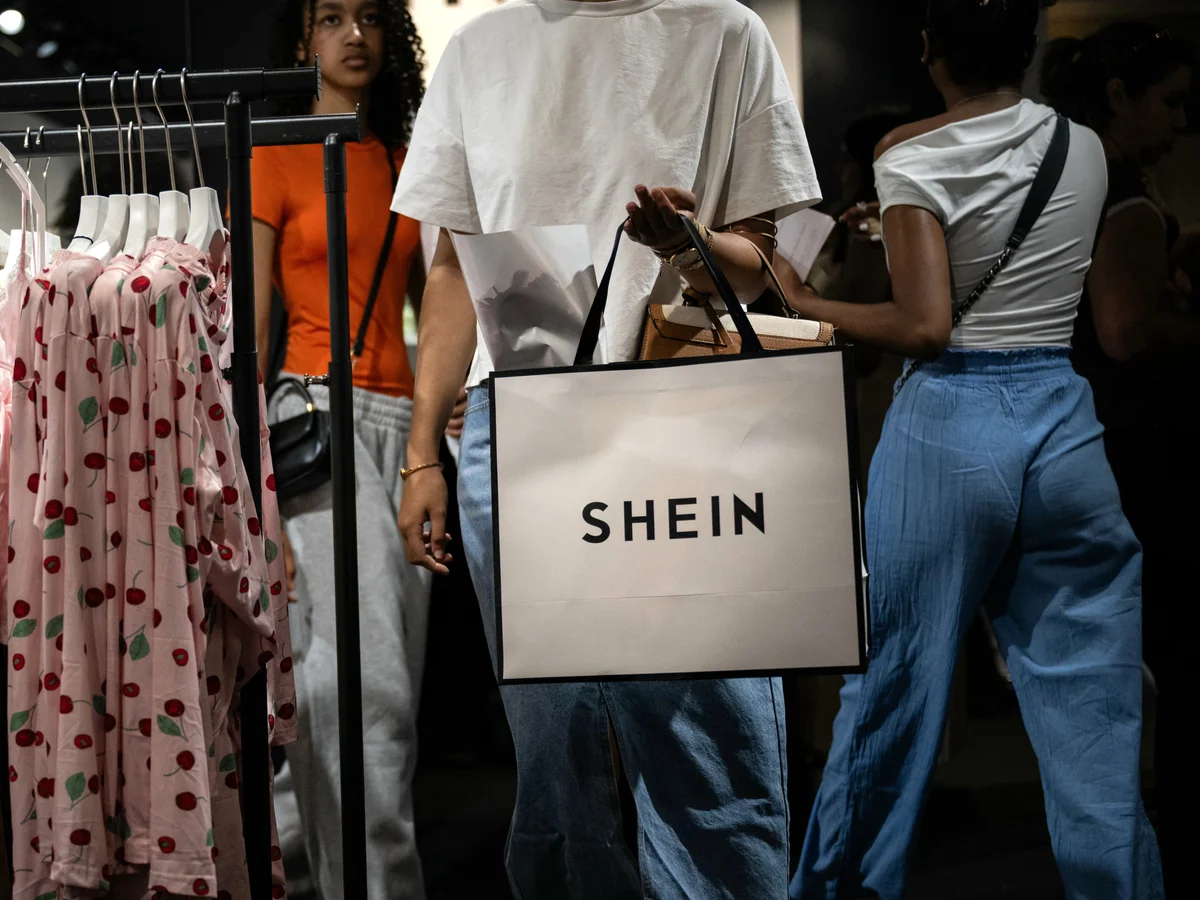
Fast-fashion giant Shein is buying eco-focused clothing company Everlane in a deal that says a lot about where the consumer economy is heading. A business that built its reputation on sustainability, ethical sourcing and transparency is now relying on one of the world’s largest fast-fashion operators to stay financially secure as spending slows and competition across apparel becomes more unforgiving.
For years, Everlane sold itself as an alternative to disposable fashion culture. Shein built its global success doing the opposite — ultra-cheap clothing, rapid production and massive manufacturing scale. That contrast is exactly why the takeover is drawing so much attention. A few years ago, Everlane represented the rise of conscious consumer spending. Now the company is turning to fast fashion for stability.
Everlane CEO Alfred Chang told employees the company had faced “increasing pressure in a rapidly changing retail landscape,” saying the partnership would help support future investment and protect the company’s operations. Behind those comments sits a broader slowdown that many consumer-facing businesses are now struggling to navigate.
Shoppers have become noticeably more careful with discretionary spending over the past year, especially in clothing and lifestyle purchases. People are waiting longer before buying, searching harder for discounts and walking away from purchases they might have made more casually a few years ago. Customers who once justified paying more for sustainability or premium branding are becoming tougher to hold onto as household costs continue eating into disposable income.
That shift is hitting mid-market clothing companies particularly hard. Businesses sitting between luxury labels and ultra-cheap mass retail are finding there is less room to operate comfortably than there used to be. Consumers still care about ethics and sustainability, but many are becoming more price-driven as financial caution spreads through everyday spending decisions.
Retailers are also dealing with weaker spending at the same time trade disruption and tariff pressure are making the business harder to predict. New restrictions and import tensions tied to the Trump administration have created fresh uncertainty around the economics behind inexpensive overseas goods, adding more strain across the apparel industry.
Companies are responding by becoming more defensive. Scale, supply-chain control and pricing power suddenly matter far more when growth slows and shoppers pull back. Businesses that spent years focusing heavily on branding, sustainability messaging and identity are being forced into a tougher fight over margins and affordability.
The acquisition also gives Shein something strategically valuable at a difficult moment for fast fashion. As scrutiny grows around labor standards, sustainability claims and environmental impact, the company gains access to a more established name associated with ethical retail. Everlane, meanwhile, gains financial backing at a time when many consumer brands are struggling to maintain momentum.
Similar strains are appearing across the apparel industry. Some companies are slowing expansion plans or cutting costs as sales growth weakens. Others are discovering that cultural relevance and strong branding no longer guarantee loyal spending if customers are becoming more financially cautious.
Retail executives are dealing with a much more defensive customer than they were only a few years ago. Across the consumer economy, shoppers are trading down, delaying purchases and becoming more selective about where their money goes. That behavior is starting to reshape which companies can survive comfortably and which ones need outside support.
The Everlane takeover may stabilize the business, but it also reflects a harsher turn spreading across consumer retail. Companies built around values, aspiration and brand identity are entering a period where affordability, endurance and scale matter more again — and that shift is changing the balance of the entire industry.