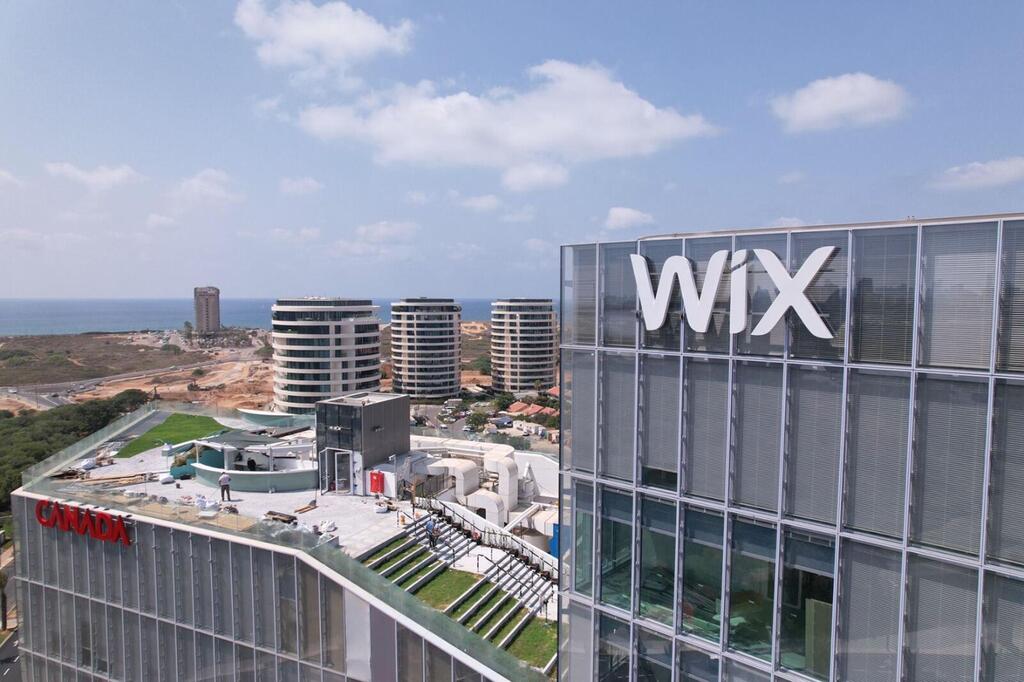
Wix is cutting 1,000 jobs after citing advances in artificial intelligence, a move that comes as the company battles slowing growth, losses and a stock price that has nearly halved this year. Coming days after Meta disclosed thousands of Bay Area layoffs tied to its AI push, the cuts are adding to fears that technology companies are becoming more willing to grow through automation rather than hiring.
The website development company had roughly 5,200 employees before the layoffs. While management pointed to the "fast evolution of AI capabilities" as a key factor behind the decision, the cuts arrive as Wix faces worsening business performance of its own. The company has suffered a sharp stock decline, disappointing earnings and a series of analyst downgrades that have raised questions about its long-term growth prospects.
Wix's situation highlights a question that is becoming harder to ignore across the technology sector. Are companies cutting jobs because AI can do more work, or because weaker business performance is forcing them to reduce costs? In Wix's case, both forces appear to be at work.
The company operates in a market that has been transformed by generative AI. Tasks that once required teams of designers, developers and content creators can now be completed more quickly using automated tools. As businesses search for ways to protect profits and maintain growth, the incentive to operate with smaller workforces has become stronger.
Investors have rewarded companies that promise higher productivity with lower staffing costs. That has created a powerful incentive for management teams to show they can generate more revenue without adding employees, particularly when growth begins to slow. For firms facing weaker demand or tougher competition, payroll often becomes one of the first areas targeted for savings.
Wix's latest financial results suggest the company was already under strain. Revenue growth slowed to 14% in the most recent quarter, while the company reported a loss after posting a profit during the same period a year earlier. Following the results, analysts at RBC Capital Markets and Wells Fargo downgraded the stock, with Wells Fargo sharply reducing its price target. Shares have fallen dramatically over the past year, significantly underperforming the broader market.
For software developers, designers and marketers looking for work, each new round of technology layoffs creates another wave of competition. Jobs that once attracted a few dozen applicants can now draw hundreds, giving employers greater choice at the same time many companies are experimenting with ways to automate routine tasks.
The concern for employees is that layoffs linked to AI become part of a broader shift in business behaviour. If companies continue pursuing productivity gains through automation while remaining cautious about hiring, the result could be fewer opportunities even in areas that were once considered relatively secure. That would not only affect household incomes but could also influence consumer spending, confidence and the pace of economic growth.
The layoffs may affect only 1,000 employees directly, but they touch a much larger debate about how companies intend to use AI over the next few years.
As businesses search for savings and investors reward efficiency, technology professionals across the economy may find that the next stage of AI disruption arrives not through a breakthrough product launch, but through fewer job openings, smaller payrolls and a labour market that feels harder to navigate than it did just a few years ago.