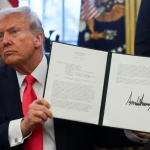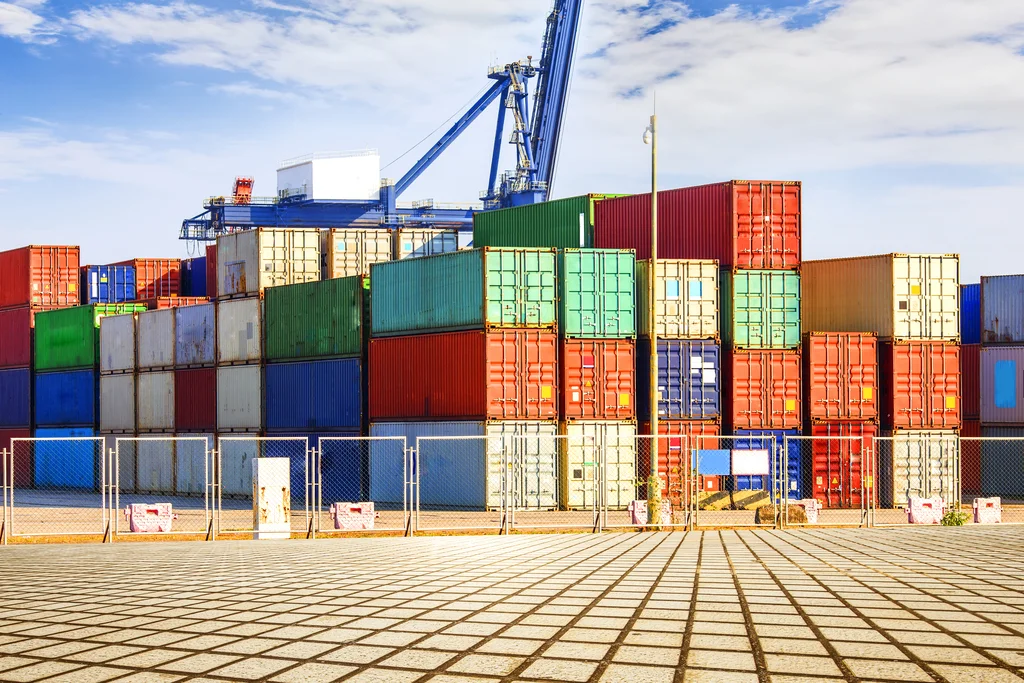
President Donald Trump's proposed tariffs on imports from 60 economies could place fresh pressure on prices across parts of the U.S. economy, creating a new challenge for companies already dealing with fragile supply networks, elevated borrowing costs and consumers who have become more careful with spending.
The proposal, announced Tuesday by the U.S. Trade Representative's office, would impose additional duties of 10% or 12.5% on goods from countries and trading blocs that Washington says have failed to do enough to prevent products made with forced labor from entering global supply chains. The measures would affect a broad group of trading partners, including Britain, Canada, Mexico, the European Union, Taiwan, Bangladesh and Malaysia.
The move marks another escalation in the administration's effort to rebuild parts of its trade agenda after the Supreme Court struck down earlier emergency tariffs in February. It also arrives as companies across multiple industries pull back on spending and delay some investment decisions amid a less predictable global trade environment.
For importers, manufacturers and retailers, new tariffs often translate into higher costs somewhere along the supply chain. Companies can absorb part of those expenses for a time, but many eventually face difficult choices between raising prices, accepting lower profit margins or reducing spending elsewhere.
That matters because many employers are already dealing with slower demand in some sectors and financing costs that remain far above the levels seen just a few years ago. Another layer of import duties may encourage firms to postpone expansion plans, scale back inventory purchases or become more cautious about adding staff until the direction of trade policy becomes clearer.
Retailers and manufacturers are once again being forced to rethink purchasing plans and supplier relationships. Many spent the past few years rebuilding supply chains after pandemic disruptions, only to find themselves facing another round of trade barriers that could alter costs with little warning.
Washington is already pursuing several other trade investigations that could affect imports from major economies around the world. Just as many firms were beginning to settle into more stable sourcing networks, another round of trade disputes is threatening to push costs higher again. The concern for many companies is not a single tariff announcement but the possibility that additional restrictions could still be coming.
The administration argues the tariffs are necessary to protect American workers from unfair competition linked to forced labor practices. The proposal includes exemptions for products such as pharmaceuticals, aircraft parts, energy products, rare earth materials, coffee and certain agricultural goods, reflecting efforts to avoid disruptions in strategically important sectors.
Even with those exemptions, the breadth of the proposal means companies across manufacturing, retail and distribution networks are likely to spend the coming weeks reviewing suppliers, pricing plans and expansion budgets. Some may respond by ordering less inventory, slowing growth plans or gradually passing higher costs through to customers.
Most consumers will never see a tariff listed on a bill or receipt. The effects tend to appear more gradually through higher prices, tighter corporate spending and a growing sense of caution across the economy. When companies become less confident about future costs, households often feel the impact later through affordability pressures, fewer opportunities and slower economic momentum.
Higher costs are rarely what companies fear most. What makes executives nervous is not knowing what comes next. With several trade investigations still moving through Washington and new tariffs under consideration across dozens of economies, many firms are finding it harder to make long-term decisions about hiring, investment and growth.