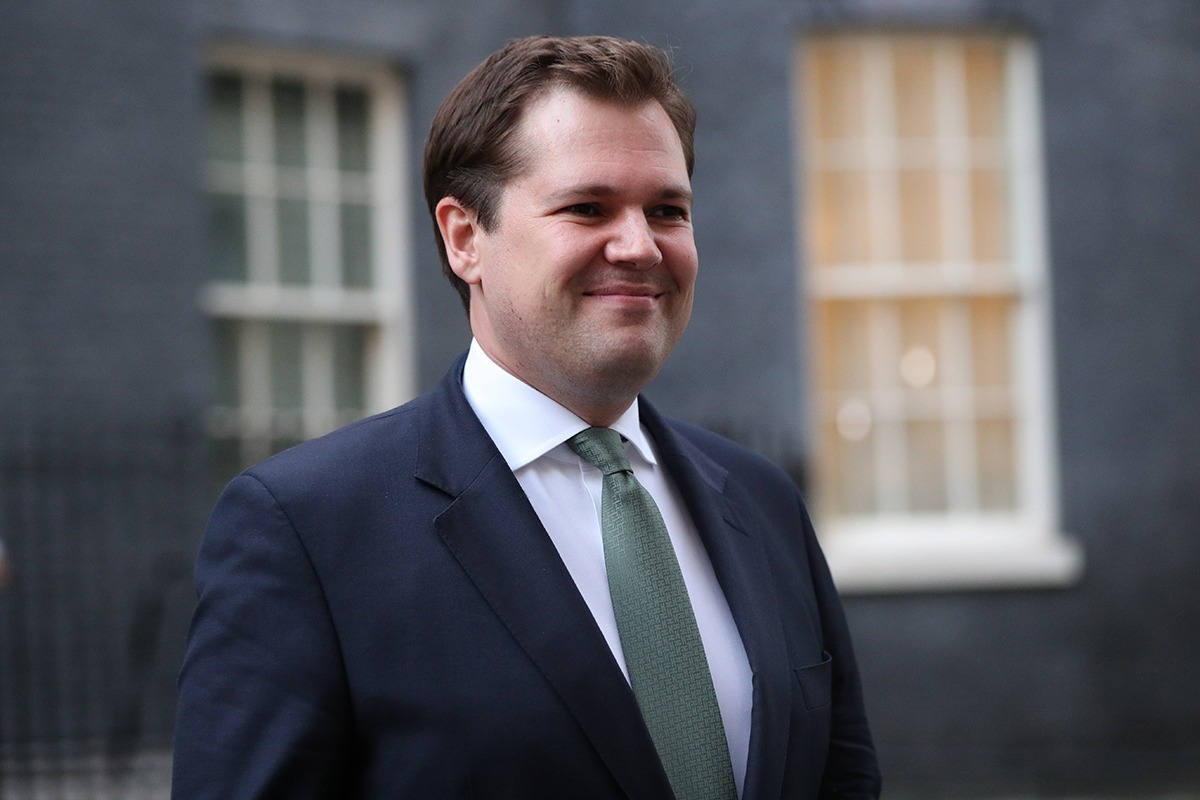
By Adam Arnold, January 15, 2026 | Political Finance
In a dramatic shake-up shaking Westminster, shadow justice secretary Robert Jenrick has been sacked by Conservative Party leader Kemi Badenoch, had the Conservative whip withdrawn, and now finds himself politically homeless amid allegations he was plotting a defection to Reform UK. The move follows Badenoch’s statement that she possessed “clear, irrefutable evidence” of Jenrick’s discussions with Reform UK leader Nigel Farage and plans for a carefully timed resignation.
The sacking comes amid rising defections from the Conservative Party, making it a pivotal moment for the UK right wing and raising questions about the future direction of the party. For Jenrick, the consequences extend beyond reputation — they carry financial implications, loss of influence, and potential limitations on future political earnings.
Robert Jenrick Sacked: How Much Money Will He Actually Lose?
While the headlines focus on the political drama, Jenrick’s dismissal also affects his access to resources tied to his shadow cabinet role. As shadow justice secretary, his base salary as an MP remained £93,904 per year. Shadow cabinet positions do not come with a personal salary top-up; instead, they provide additional perks, including staff budgets, research support, travel allowances, and access to party-funded resources like Short Money.
With his sacking, Jenrick loses these indirect benefits, though his MP salary remains intact.
Breaking it down:
-
Base MP salary: £93,904 per year (unchanged)
-
Shadow cabinet perks: Approximately £5,000–£10,000 in administrative, travel, and office support annually
-
Long-term impact: Loss of influence may affect speaking engagements, consultancy, or private sector roles linked to his political profile
While the immediate financial loss is modest, the sacking represents a significant reputational blow that could limit future earnings, political leverage, and the ability to secure high-profile advisory roles. Sources close to Westminster suggest Jenrick may now explore media, consultancy, or private sector opportunities to maintain relevance.
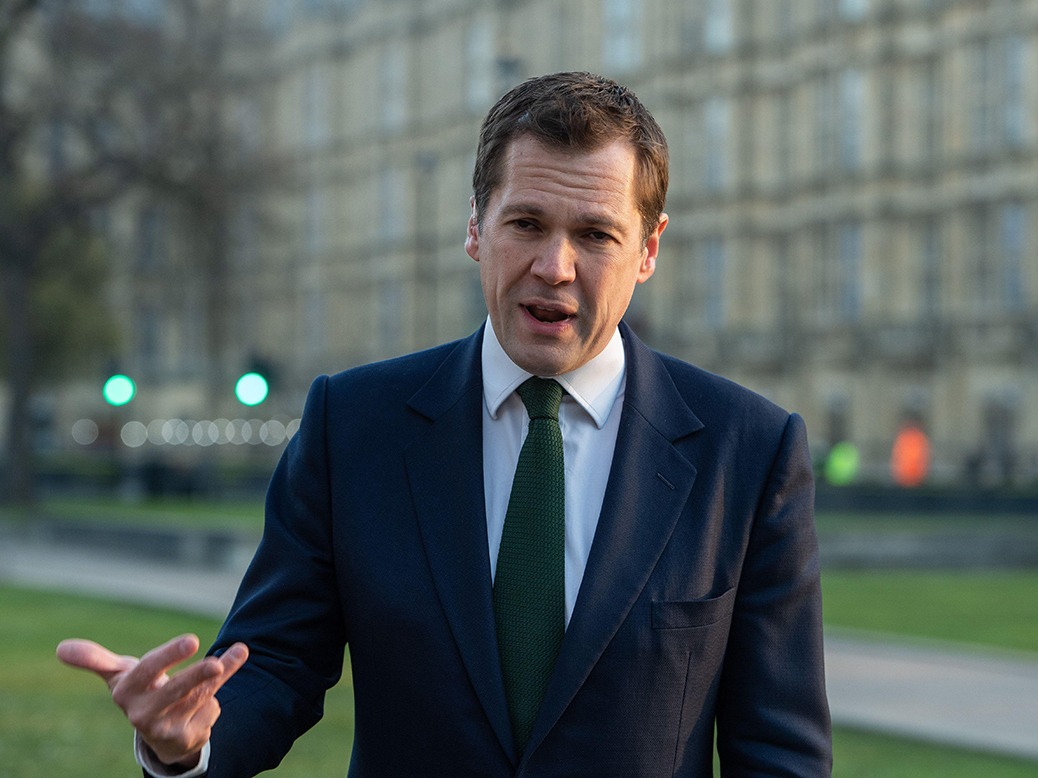
Robert Jenrick is interviewed outside Westminster with ongoing reports about his dramatic sacking over alleged Reform UK defection plans, highlighting both political and financial fallout.
Why Robert Jenrick’s Sacking Is a Blow to the Conservative Party
The political fallout is as significant as the financial one. Reports indicate Jenrick had dinner with Nigel Farage and held meetings with Reform UK insiders, sparking consternation among his shadow cabinet colleagues. Conservative Party chairman Kevin Hollinrake called the alleged plot “treacherous,” while former MP Sir Jacob Rees-Mogg urged Badenoch to release evidence publicly to prevent appearing to have “kneecapped a potential challenger.”
Badenoch’s decisive action asserts her control over the party and sends a message about loyalty. However, it underscores the fragile state of modern British politics, where ambition, internal rivalry, and personal incentives frequently collide. If Jenrick defects, Reform UK gains an experienced strategist, while the Conservative Party suffers a high-profile loss amid rising defections.
Who Are the Richest Politicians in the UK?
Jenrick’s situation puts political finances into perspective. While his direct financial loss is limited, some UK politicians have amassed considerable wealth alongside their public service. These figures demonstrate how political influence can translate into personal fortune:
Rishi Sunak – £651 Million
Sunak’s wealth is largely tied to his family and wife Akshata Murty’s Infosys stake. Investments and strategic financial planning have cemented him at the top of UK political wealth rankings.
Tony Blair – £80 Million
The former Prime Minister earned his fortune through speaking tours, consultancy work, and advisory roles for governments and corporations worldwide.
David Cameron – £50 Million
Cameron leveraged political connections and post-office consulting to secure book deals, speaking engagements, and lucrative advisory work.
Boris Johnson – £10 Million
Despite political turbulence, Johnson’s wealth is bolstered by journalism, book sales, and media appearances.
Michael Gove – £4 Million
Gove built his fortune through media work, property investment, and advisory roles, supplementing his political salary.
In comparison, Jenrick’s net worth is estimated in the mid-seven figures, accumulated through property investments, financial holdings, and senior political roles. While the sacking is not catastrophic financially, it represents a tangible loss of political capital and influence.
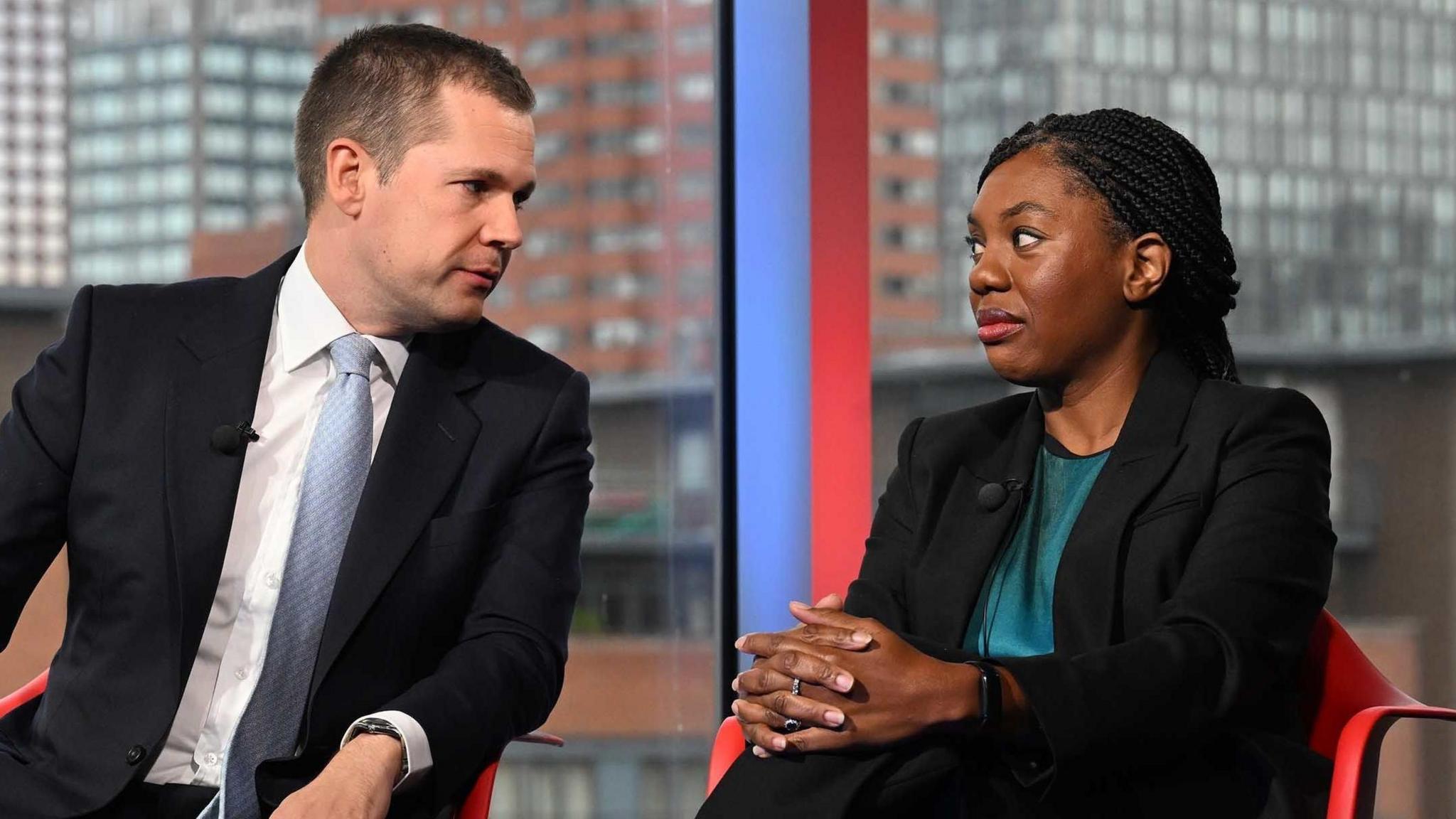
Robert Jenrick pictured with Conservative leader Kemi Badenoch, highlighting the tense relationship that culminated in his high-profile sacking over alleged Reform UK defection plans.
What Robert Jenrick’s Sacking Teaches About UK Politics
This scandal captivates because it blends ambition, intrigue, and high stakes. Jenrick’s alleged Reform UK plot demonstrates that even experienced politicians face both reputational and financial risks when maneuvering within party politics.
It also signals to voters and party members that loyalty and personal ambition are under constant scrutiny. In today’s political landscape, incentives are intertwined with reputation and public perception, and a single misstep—or the appearance of one—can have long-term consequences. Jenrick’s story serves as a cautionary tale about navigating the complex balance of opportunity, ambition, and loyalty in modern British politics.
People Also Ask About Robert Jenrick
How much will Robert Jenrick lose financially after being sacked?
Jenrick will see no direct personal salary loss from the shadow cabinet role but could lose around £5,000–£10,000 annually in perks like travel and office support.
Is Robert Jenrick planning to join Reform UK?
Allegations indicate discussions with Nigel Farage occurred, though Jenrick has not publicly confirmed any decision.
What led to Robert Jenrick’s sacking?
Conservative leader Kemi Badenoch cited “clear, irrefutable evidence” that Jenrick was plotting a damaging defection to Reform UK.
What is Robert Jenrick’s estimated net worth?
Jenrick’s net worth is believed to be in the mid-seven figures, based on property, investments, and senior political roles.
Who are the richest politicians in the UK?
Rishi Sunak, Tony Blair, David Cameron, Boris Johnson, and Michael Gove top the wealth rankings, with fortunes ranging from £4 million to over £650 million.
How does Jenrick’s sacking affect the Conservative Party?
It removes a high-profile figure from the shadow cabinet, exposes internal instability, and may strengthen Reform UK by attracting experienced politicians.
The Bottom Line: What Robert Jenrick’s Sacking Means
Robert Jenrick’s dramatic sacking is more than a story of political intrigue, it is a cautionary tale about ambition, loyalty, and the costs of maneuvering in modern UK politics. While the immediate financial hit is relatively modest, the reputational damage, loss of influence, and potential limitations on future opportunities underscore just how precarious a political career can be.
For the Conservative Party, the incident exposes vulnerabilities within its ranks and highlights the challenge of maintaining unity in an era of rising defections to Reform UK. For Reform, it represents the possibility of attracting an experienced politician who could bolster their credibility.
Ultimately, Jenrick’s saga reminds voters, party members, and aspiring politicians alike that in politics, power, money, and reputation are deeply intertwined. Even a seasoned figure with significant wealth and experience is not immune to the consequences of high-stakes decisions. As Westminster watches closely, this episode reinforces a fundamental truth: in politics, ambition carries both opportunity and risk, and a single misstep, or its appearance, can reverberate far beyond a personal career.