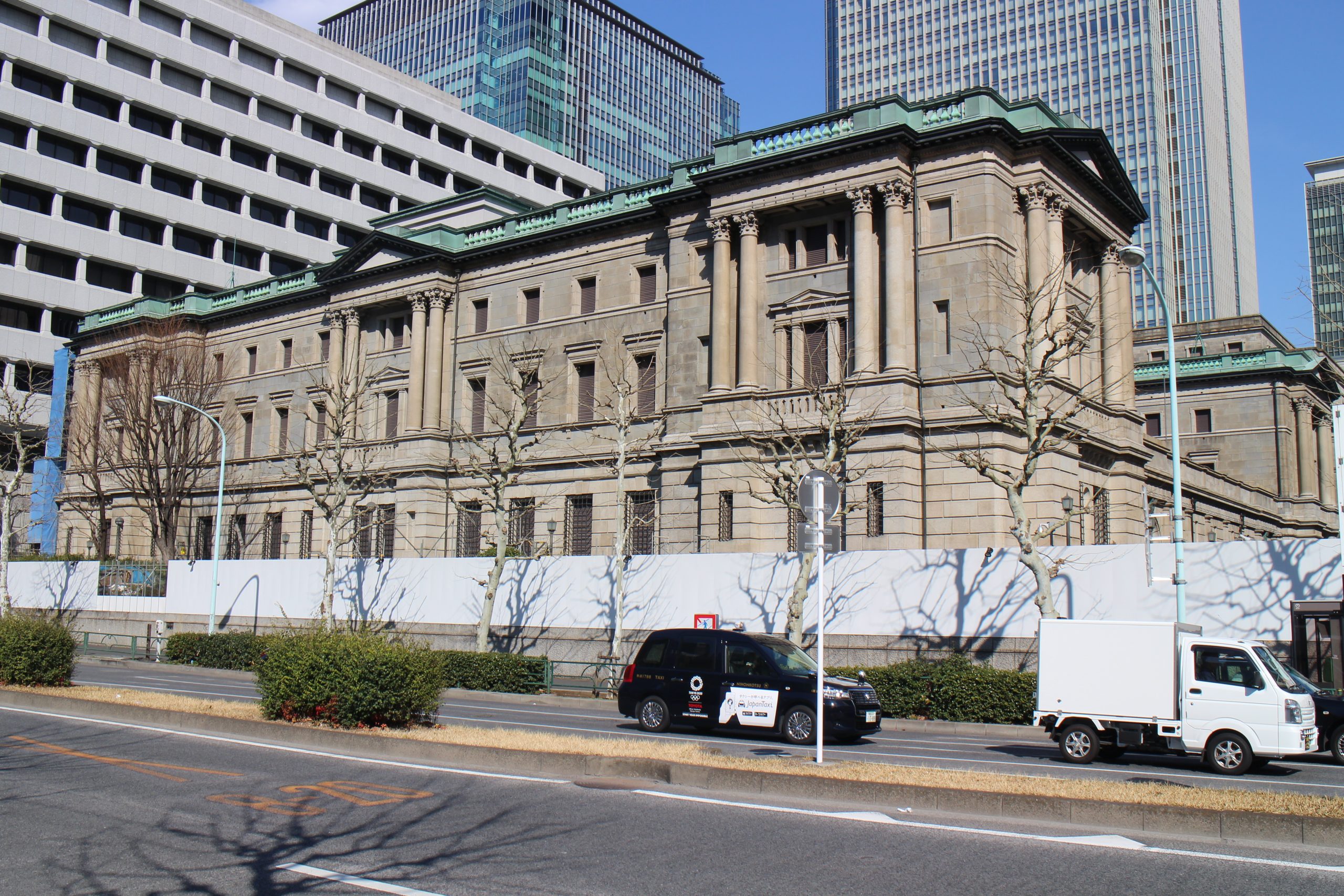
The Bank of Japan has raised its policy interest rate from 1.0% to 1.25%, taking borrowing costs to their highest level in 31 years as policymakers respond to mounting inflation pressure from energy prices, a weaker yen and stronger global AI-related demand.
The Bank’s Policy Board approved the increase by a 7–2 majority at its meeting ending on 18 September, with Governor Kazuo Ueda among the seven members supporting the move. The new guideline will encourage the uncollateralised overnight call rate to remain at around 1.25%, while the complementary deposit facility rate will also rise to 1.25% and the basic loan rate to 1.5%. The changes take effect on 24 September.
The move continues Japan’s gradual withdrawal from the exceptionally loose monetary policy that characterised much of the previous three decades. At 1.25%, the policy rate is now at its highest level since 1995, marking another significant step in the Bank of Japan’s attempt to establish a more conventional interest-rate environment.
Inflation risks were central to the decision. The Bank said underlying CPI inflation has been approaching its 2% price-stability target, while medium- to long-term inflation expectations have continued to rise. Producer-price inflation has remained elevated as higher crude-oil prices, stronger global AI-related demand and depreciation of the yen increase costs for businesses. Those pressures have begun feeding into consumer prices, alongside continued efforts by companies to pass higher wages into selling prices.
The Bank now expects consumer inflation excluding fresh food to accelerate to a level clearly above 2% during the second half of fiscal 2026. Higher energy costs, semiconductor prices and the weaker yen are among the factors expected to push prices higher before inflation moderates towards around 2% later in the projection period.
The decision was not unanimous. Policy Board members Toichiro Asada and Ayano Sato voted against the increase. Asada pointed to CPI excluding fresh food being below 2% recently and uncertainty around economic strength as reasons for maintaining the previous policy setting, while Sato considered that economic and price conditions had not accelerated sufficiently to justify an increase at this meeting.
Despite the rate rise, the Bank continues to describe financial conditions in Japan as accommodative. Real interest rates remain low, demand for corporate funding has increased and financial institutions continue to show a willingness to lend. Conditions for commercial paper and corporate bond issuance have also remained favourable. The Bank said it expects accommodative financial conditions to continue supporting economic activity after the latest increase.
For CFOs, finance directors and international treasury teams, the significance extends beyond Japanese borrowing costs. Further tightening could influence the yen, the cost of yen-denominated funding and hedging assumptions for companies with Japanese revenues, suppliers or financing. A stronger or more volatile rate cycle may also alter the economics of cross-border investment and the long-standing use of relatively cheap Japanese funding in international markets.
The Bank of Japan has also made clear that September may not mark the end of the tightening cycle. It said it will continue raising the policy rate and reducing monetary accommodation in response to economic activity, prices and financial conditions, while monitoring risks from the Middle East, global AI-related demand and foreign-exchange movements.
For finance teams, that guidance means Japan can no longer be treated as the static low-rate outlier it was for much of the past generation. Funding models, currency exposures and investment assumptions involving the yen increasingly need to account for the possibility of further increases as the Bank of Japan seeks to keep underlying inflation close to its 2% target.
Image credit - wiki commons - Suicasmo