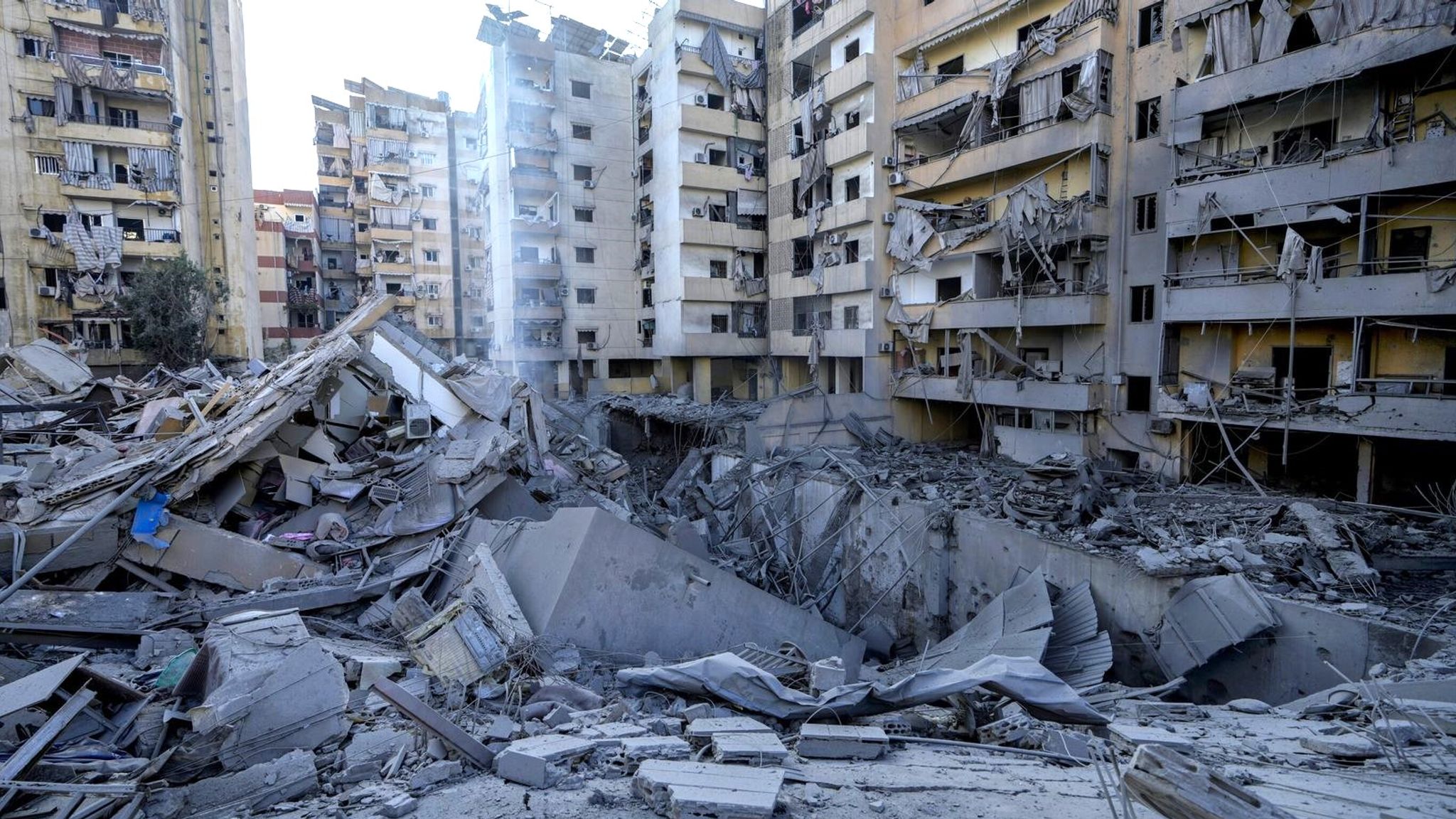
Israel launched fresh strikes on Beirut’s southern suburbs on Sunday, only days after a ceasefire agreement was announced in Washington, casting doubt on the durability of the truce and raising fears of a broader regional confrontation. The attacks come at a sensitive moment for diplomatic efforts aimed at reducing tensions and restoring stability across key trade and energy corridors.
The fighting is no longer being viewed solely through a military or political lens. Governments, investors and businesses are watching closely what renewed instability could mean for one of the world's most important energy corridors.
Roughly a fifth of global oil shipments pass through the Strait of Hormuz, making any threat to maritime traffic a concern for economies far beyond the Middle East. Diplomatic efforts involving Pakistan, Qatar, Turkey and Egypt have sought to reduce tensions and support the reopening and stabilization of shipping routes, but the latest escalation has complicated those efforts.
The concern extends beyond the immediate fighting. The conflict threatens efforts to stabilize the Strait of Hormuz, one of the world's most important routes for oil and gas shipments. Disruption in the waterway has already rattled energy markets, with governments and businesses watching closely for signs that tensions could spread further.
The military dimension of the crisis also continues to widen. The U.S. military has reported intercepting Iranian drones and missiles it said threatened regional shipping and allied interests, while Iran has linked any lasting settlement to wider negotiations involving Lebanon. Hezbollah has rejected parts of the U.S.-brokered arrangements, leaving diplomats struggling to secure a more durable agreement and raising the risk that further incidents could undermine ongoing talks.
Policymakers are particularly sensitive to any threat to energy supplies after years of inflation and economic uncertainty. A prolonged disruption affecting oil and gas flows would create fresh challenges for economies that are still trying to support growth while keeping prices under control.
Diplomatic efforts continue, but the latest strikes are a reminder of how quickly progress can unravel. With tensions still high and negotiations continuing behind the scenes, uncertainty around the region's security and critical shipping routes remains difficult for governments, businesses and markets to ignore.