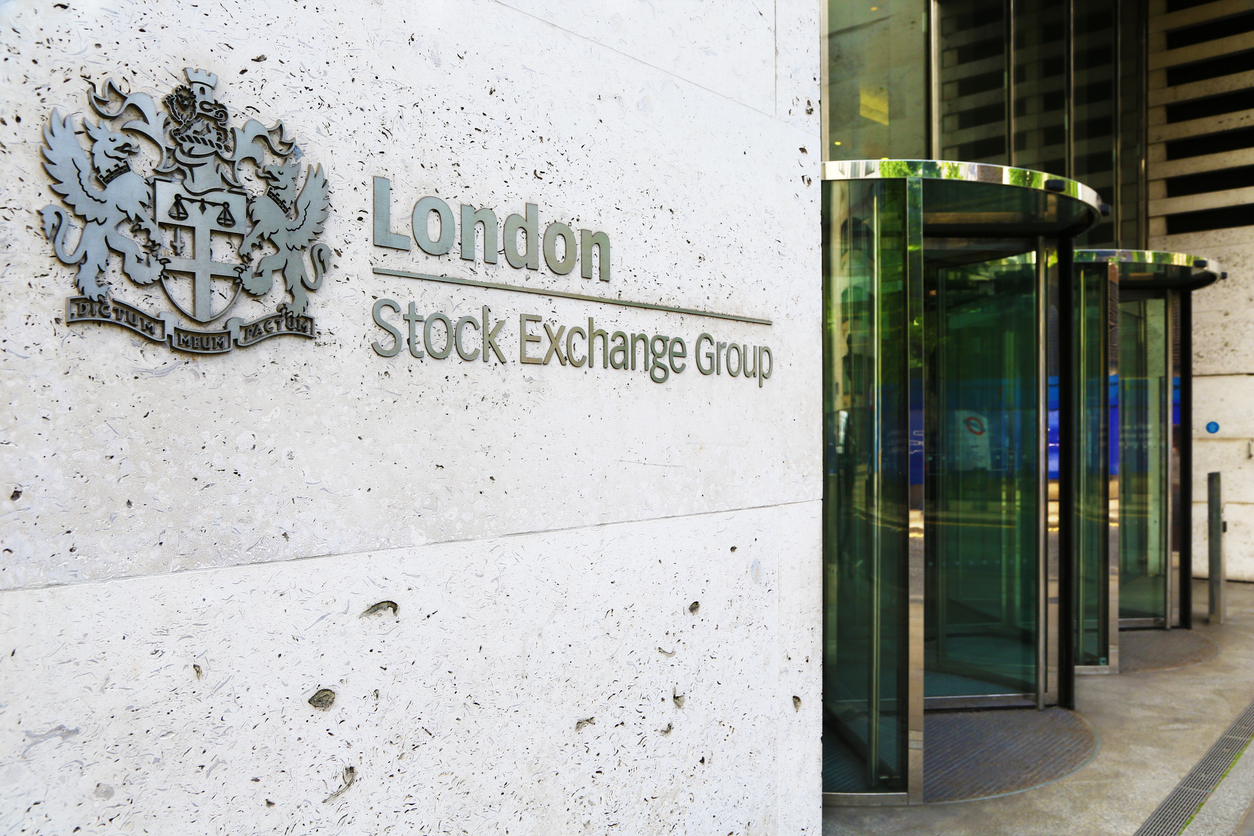
London Stock Exchange Group (LSEG) has agreed to acquire financial data specialist Octus for $3.535 billion, strengthening its position in private credit intelligence and analytics as institutional demand for information across complex debt markets continues to grow.
The cash acquisition, announced on 22 October, will see LSEG purchase the New York-based business from funds advised by private equity firm Permira and Octus management, including founder and chief executive Kent Collier. The transaction is expected to complete in the first half of 2027, subject to regulatory approval.
Morgan Stanley is acting as lead financial adviser to LSEG, alongside Barclays as financial adviser. Evercore and Goldman Sachs are advising Octus shareholders, placing four major investment banks at the centre of one of the largest financial data acquisitions announced this year.
Founded in 2013, Octus provides financial intelligence, data and workflow tools covering private, illiquid and distressed credit. The company employs more than 900 people and serves over 750 institutional customers and 40,000 individual users, including investment banks, hedge funds, asset managers and advisory firms.
The acquisition will expand LSEG's fixed-income offering by combining Octus' specialist credit information with its existing data, analytics and distribution infrastructure. The businesses expect to develop integrated products that help investors evaluate debt instruments, assess credit risks and manage portfolios across public and private markets.
LSEG chief executive David Schwimmer has identified financial data and analytics as central to the group's growth strategy. Octus is expected to generate more than $300 million in revenue during 2026, with an adjusted EBITDA margin of approximately 40%, providing an established subscription business with a record of double-digit annual revenue growth.
The transaction will be financed through external debt and is expected to increase organic revenue growth within LSEG's Data & Analytics division immediately after completion. However, its effect on adjusted earnings per share is expected to be neutral during the first full year, becoming accretive thereafter.
The distinction is important for investors assessing the financial benefits of the acquisition. Higher revenue growth does not necessarily translate into immediate earnings improvements, particularly when borrowing costs, integration expenditure and other financial commitments must be considered.
LSEG expects leverage to approach the upper end of its target range of 1.5 to 2.5 times net debt to adjusted EBITDA by the end of 2027. That forecast includes the Octus acquisition, other planned transactions and the group's continuing shareholder buyback programme.
The acquisition forms part of a wider expansion in fixed-income services. Tradeweb, part of LSEG, has separately agreed to acquire electronic credit trading platform Trumid for approximately $1.75 billion, extending the group's capabilities in bond trading alongside its growing credit information business.
LSEG announced the transaction alongside stronger third-quarter financial expectations, raising its forecast for 2026 organic constant-currency income growth to at least 8%, compared with previous guidance of 7% to 7.5%. Its equity free cash flow forecast also increased to at least £2.8 billion.
For CFOs, finance directors and institutional investors, the expansion highlights the growing commercial importance of reliable credit data as private debt markets become larger and more complex. Access to detailed debt documentation, borrower information and valuation tools can improve credit assessments, portfolio oversight and financing decisions.
The financial success of the acquisition will depend on LSEG's ability to integrate Octus' products, retain customers and convert opportunities across its wider distribution network into sustainable earnings growth. External debt financing also places greater emphasis on cash generation and disciplined capital allocation.
Following completion, Octus will join LSEG's Data & Analytics division, with Collier continuing to lead the business. The transaction represents a significant investment in proprietary financial information and will test whether combining private credit expertise with global market infrastructure can deliver stronger long-term returns.