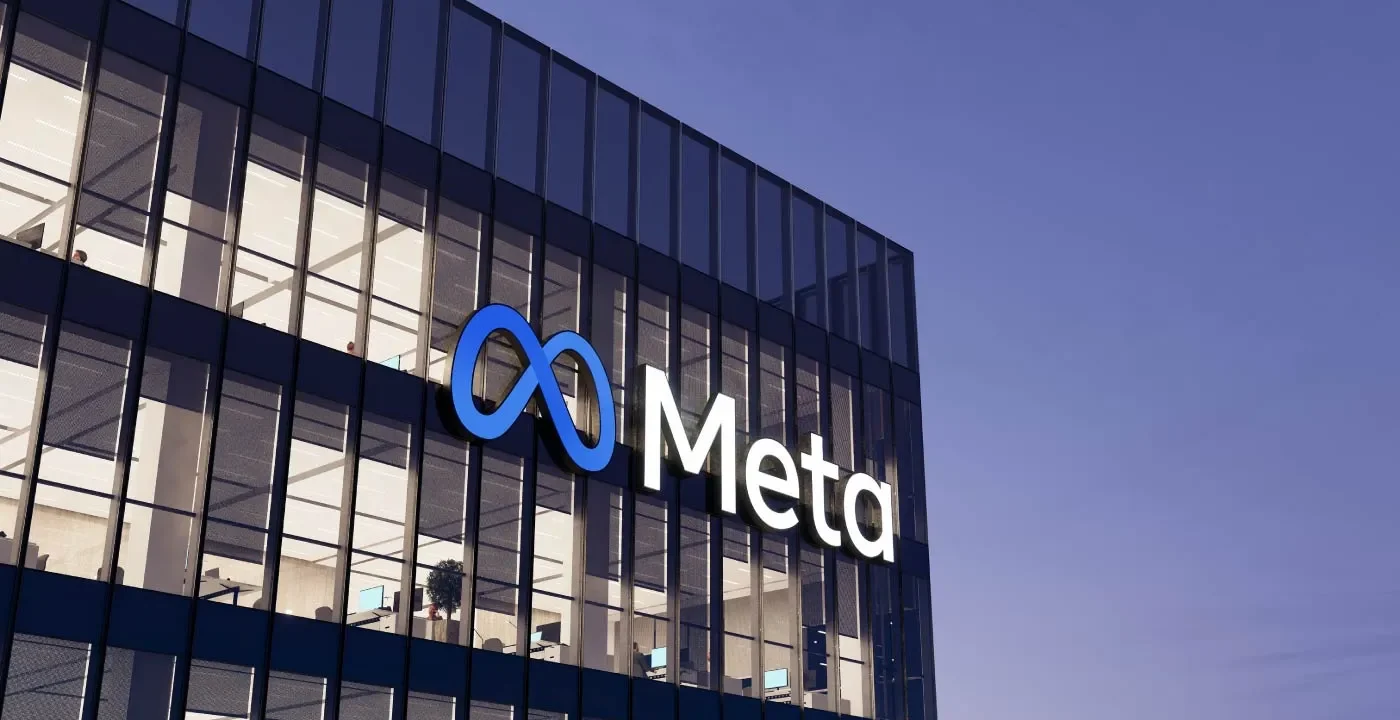
Meta Platforms has been ordered to pay $25 billion in civil penalties following a New Mexico court ruling over misleading statements about Facebook's data privacy practices, exposing the technology group to one of the largest corporate financial penalties in US history.
The judgment, issued on 21 October by District Judge Francis Mathew, follows a September jury verdict finding 43,899,725 violations of New Mexico's Unfair Practices Act. The case examined Facebook's representations to consumers about personal information, third-party access to data and its handling of harmful content.
New Mexico Attorney General Raúl Torrez pursued the action following the Cambridge Analytica scandal, which exposed how personal information collected through Facebook had been obtained by a political consulting firm without users' consent. The litigation challenged whether the company's public statements accurately reflected its internal practices and safeguards.
Under New Mexico law, penalties can reach $5,000 for each willful violation. Applying that maximum would have produced a financial penalty of approximately $219.5 billion, although the court reduced the final award to $25 billion.
The judgment also provides for interest at 15% annually until the penalty is paid, potentially increasing Meta's financial exposure considerably if the ruling remains in force. At the stated rate, interest on the original award would amount to $3.75 billion over a full year before accounting for any changes resulting from legal proceedings.
Meta disputes the decision and intends to appeal. Its chief legal officer, C.J. Mahoney, has criticised the ruling and the state's enforcement approach, maintaining that the company is confident of overturning the outcome. The proposed appeal means the eventual financial liability remains uncertain.
The case adds to mounting legal pressure on Meta over privacy, consumer protection and platform safety. In August, a separate New Mexico judgment ordered the company to pay $942 million and introduce additional measures relating to child safety on Facebook and Instagram.
For corporate finance teams, the latest ruling demonstrates how historical weaknesses in data governance can develop into substantial financial liabilities years after the original conduct. The Cambridge Analytica controversy became public in 2018, yet the resulting regulatory and legal disputes continue to create financial risks for the company.
The scale of the penalty also raises questions about how companies evaluate potential legal liabilities and communicate their exposure to shareholders. Finance directors must distinguish between judgments already entered, amounts subject to appeal and obligations that may ultimately become payable.
Such distinctions can influence financial reporting, cash flow planning and investor assessments of a company's balance sheet. Even where the final amount remains uncertain, litigation involving substantial penalties can affect decisions about capital allocation, shareholder distributions and future investment.
The broader financial implications extend beyond Meta. Businesses collecting large volumes of customer information face increasing scrutiny over whether their public privacy commitments match actual operating practices. Failures involving millions of consumers can create financial exposure disproportionate to the immediate cost of the underlying compliance weaknesses.
Strong internal controls, accurate consumer disclosures and effective management oversight therefore have direct financial significance. Regulatory risk cannot be assessed solely through the annual cost of compliance when a company's historical conduct may later result in substantial penalties.
For Meta, the immediate financial challenge is managing the appeal and uncertainty surrounding the judgment while continuing to fund its wider business operations. The outcome will be closely watched by finance directors, investors and corporate boards assessing how data governance failures can translate into material liabilities and long-term shareholder risk.