American households are beginning to adjust how they spend as higher fuel costs and persistent inflation reshape everyday budgets, with some of the country’s largest retailers and restaurant chains reporting early signs that financial pressure is filtering deeper into the consumer economy.
Spending has not fallen sharply, but the pattern of behaviour is changing in ways that suggest families are becoming more selective and more cautious with each purchase decision.
Major companies including Walmart, Costco, McDonald’s and Dollar General are seeing shifts that, while gradual, are becoming harder to ignore. Customers are making smaller fuel purchases, spacing out non-essential shopping trips and increasingly prioritising value over convenience. Each change on its own is modest. Together, they point to households operating with less financial flexibility than earlier in the year.
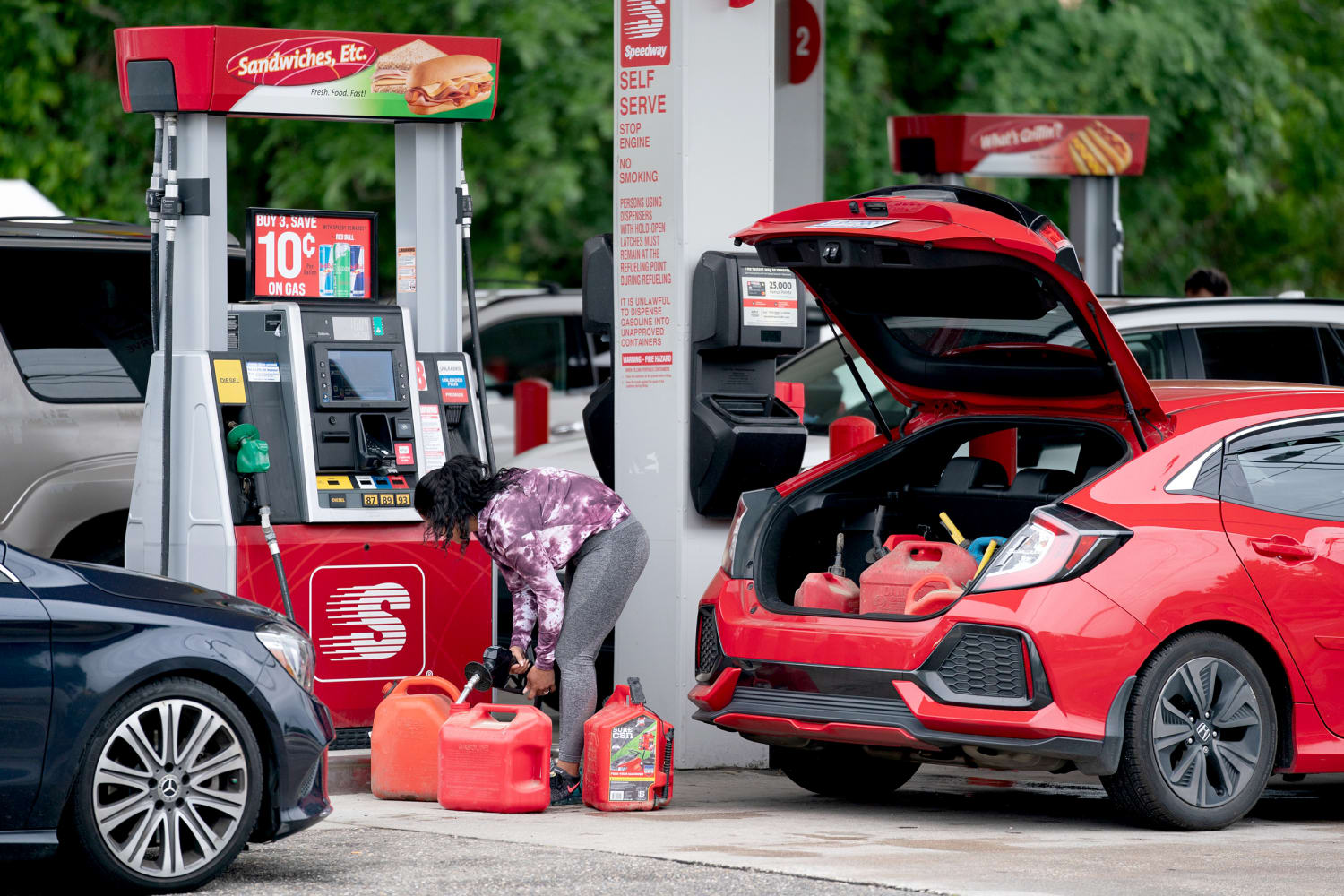
The clearest signal is emerging at the fuel pump. Walmart has reported that customers are buying less fuel per visit, with average purchases falling below 10 gallons for the first time since 2022. Costco has seen more frequent visits from drivers topping up rather than filling their tanks in one go, reflecting concern over where prices may move next. These patterns suggest households are managing tighter budgets on a week-to-week basis rather than planning further ahead.
That shift is starting to feed into other parts of the economy. Convenience store operators are reporting weaker fuel-related traffic alongside softer in-store sales. Restaurant groups are also seeing pressure build among lower-income consumers, who continue to reduce spending on eating out after years of elevated inflation. Higher fuel costs effectively absorb part of the household budget before discretionary spending decisions are even made.
Grocery behaviour is also becoming more disciplined. Retailers are seeing more bulk buying when prices drop, fewer impulse purchases and a stronger focus on essentials. Dollar General has noted that even some higher-income shoppers are trading down toward discount formats, while core lower-income customers are trimming food spending to stay within budget. The shift is subtle, but consistent with households tightening control over day-to-day expenses.
Across broader retail categories, the pattern is similar. Sales of household goods, clothing, footwear and sporting products are weakening compared with a year earlier, while traffic continues to shift toward warehouse clubs, supermarkets and discount chains. Spending is not disappearing, but it is concentrating in fewer areas, with discretionary purchases increasingly delayed or avoided altogether.
For businesses, that change alters planning assumptions. When consumers pull back on non-essential spending, retailers and consumer-facing companies typically respond by slowing inventory growth, tightening cost plans and reassessing hiring needs.
If that caution spreads, the effects move beyond retail performance into labour markets and local investment activity, particularly in sectors that rely on steady consumer demand.
Some support has come from tax refunds and a still-resilient labour market, but those buffers are uneven and may not last. At the same time, households are absorbing higher costs across fuel, food, insurance and services, meaning more of their income is being consumed by essentials before discretionary spending decisions are made. That shift reduces flexibility and increases sensitivity to further price changes.
Consumers have not stopped spending, but the structure of that spending is changing. More careful fuel purchases, fewer impulse buys and a steady move toward value-focused retailers all suggest households are adjusting to a tighter financial environment. These changes rarely appear as a single turning point. They build gradually, and often become more visible only when they are already embedded in everyday behaviour.
What is emerging is not a sudden break in consumer demand, but a slow tightening in how households allocate money. And as those decisions accumulate across millions of consumers, businesses are likely to keep adjusting their expectations for growth, hiring and demand in ways that reflect a more cautious economic backdrop.