Rising energy costs and stubborn inflation are making it harder for the Federal Reserve to lower interest rates, just as signs emerge that consumers are beginning to pull back on spending. A new Fed survey released Wednesday suggests strain is building across the economy, raising the possibility that households and businesses could face expensive borrowing costs for longer than many expected.
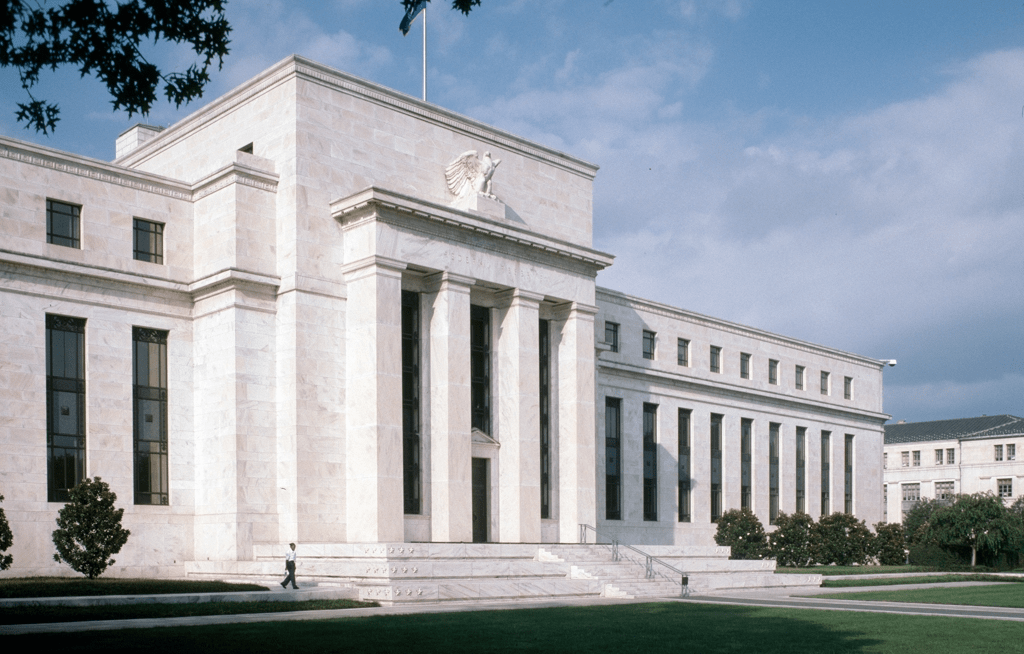
The Federal Reserve's latest Beige Book found that economic activity continued to grow modestly across the United States in recent weeks, but businesses also reported growing uncertainty about the months ahead. While employment remained largely stable, many firms said weakening consumer spending and rising costs were beginning to weigh on confidence and future planning.
One of the biggest concerns running through the report was the impact of higher energy prices linked to the conflict in the Middle East. Businesses across multiple regions told the Fed that rising fuel and energy costs were pushing up expenses for shipping, packaging, groceries and fertilizer, creating fresh inflationary forces throughout supply chains.
That matters because inflation was already proving difficult to bring under control. The Fed's preferred inflation measure rose to 3.8% in April, moving further above the central bank's 2% target and increasing doubts that policymakers will be able to cut rates anytime soon.
Consumers may feel the impact long before economists do. If inflation refuses to cool, borrowing costs could stay high across mortgages, credit cards, auto loans and small-business lending. What many households hoped would be a year of financial relief could instead become another year of expensive debt and tighter budgets.
Prospective homebuyers could be among those most affected. Mortgage rates have remained stubbornly high despite widespread expectations earlier this year that borrowing costs would ease. If inflation continues to run hotter than expected, housing affordability could remain out of reach for millions of households already struggling to enter the market.
Businesses are adjusting as well. The Beige Book suggests many companies are becoming more defensive about future growth plans as uncertainty rises. Few are reporting a sharp slowdown today, but executives appear increasingly reluctant to commit to aggressive hiring or investment while inflation remains persistent and interest-rate expectations continue to shift.
The effects often emerge gradually rather than all at once. When companies delay expansion, postpone recruitment or shelve investment plans, the impact can spread quietly through local economies. Job growth may cool, wage gains can become harder to secure, and communities become more dependent on a smaller number of employers to drive growth.
The timing is significant because the report arrives just days before Kevin Warsh chairs his first Federal Reserve policy meeting. Investors had previously expected rate cuts later this year, but recent inflation data and rising energy costs have complicated that outlook. According to Reuters, policymakers are increasingly debating whether rates should remain unchanged for an extended period and, in some cases, whether further tightening may eventually be required.
The labor market remains relatively stable, with economists expecting unemployment to hold at 4.3% when the May jobs report is released. That resilience has helped support consumer spending so far. Yet stable employment does not eliminate the burden created by rising living costs, particularly for households carrying significant debt or relying on credit to manage everyday expenses.
Few businesses are describing conditions as weak. Yet there is less confidence than there was earlier in the year. Consumers are becoming more selective about purchases, companies are scrutinising costs more closely, and investors are beginning to question how quickly interest rates might fall. The economy is still growing, but optimism is becoming harder to find.
The Beige Book does not point to an economy in immediate distress. What it does suggest is that several economic headwinds are arriving at the same time. Inflation remains stubborn, energy costs are climbing again, and hopes for lower borrowing costs are fading. For households and businesses that have spent years waiting for financial conditions to ease, that wait may be getting longer rather than shorter.